Is your window currently naked, or worse, wearing a "temporary" paper shade from three years ago? It’s time to settle the ultimate debate: Shutters vs. Blinds vs. Shades.
Share:

Summary:
Let’s be honest: walking into a window treatment showroom can feel a lot like trying to order coffee in a foreign language. You walk in wanting “something to cover the glass” and suddenly you’re being asked about “louver sizes,” “stacking heights,” and “opacity levels.” It’s enough to make you want to just tape some cardboard to the window and call it a day. But your home deserves better than a DIY blackout solution, and frankly, so do your neighbors. The truth is, your windows are the soul of your home’s aesthetic. They control the light, the heat, and the level of “people-watching” you’re willing to tolerate from the sidewalk. Choosing between shutters, blinds, and shades isn’t just a decor choice; it’s a lifestyle manifesto. Are you a “clean lines and motorization” person, or an “architectural permanent-fixture” person? Do you want your windows to whisper or shout? Embrace the joy of the decision! We’re moving past the era of “whatever was on sale at the big-box store” and into the era of curated, luxury environments. This guide is here to strip away the jargon and give you the real-talk on what works, what lasts, and what will make your house the envy of the block. Grab a drink, stop squinting at the sun, and let’s find your perfect match.
If window treatments were a car, Plantation Shutters would be the vintage Rolls Royce. They aren’t just a “covering”; they are a permanent architectural upgrade that actually increases the resale value of your home. Think of them as custom furniture for your window frame. With their wide louvers and classic tilt-bars (or hidden rears if you’re feeling modern), shutters offer a level of “heft” and sophistication that drapes just can’t touch. The beauty of shutters lies in their “set it and forget it” nature. Because they are hinged directly to the frame, you don’t have to deal with swaying fabric or clacking slats when the breeze hits. They provide incredible insulation, acting as a structural barrier against the Florida heat, and offer a “split-tilt” option that lets you keep the bottom closed for privacy while the top stays open to let in the blue sky. It’s the ultimate “high-society” look that never goes out of style. However, keep in mind that shutters are a commitment. They aren’t something you swap out every two years when you change your throw pillows. They require a bit more of an upfront investment, but in return, they offer a lifetime of durability and a “clean” look from the curb that says, “A real adult lives here.” Just make sure you choose a high-end composite or wood that won’t warp in the humidity, or your “luxury” look might end up looking a bit “funhouse mirror” after a few seasons.

Blinds are the reliable “middle child” of the window world. They’ve been around forever, they work hard, and they offer the best light-filtering control of the bunch. Because you can tilt the slats to almost any angle, you can direct the light toward the ceiling to brighten the room without the sun hitting you directly in the eyes. It’s a “pro-move” for the home office where glare is the ultimate productivity killer. In 2026, we’ve moved far beyond those thin, aluminum blinds that sounded like a wind chime every time the AC kicked on. Today’s luxury blinds feature thick faux-wood or genuine hardwood slats with “routless” designs (meaning no tiny light-leaking holes where the strings go). They provide a structured, linear look that fits perfectly in a minimalist or transitional home. They’re practical, they’re effective, and they don’t demand the “spotlight” the way shutters do. The “No-Nonsense” catch? Blinds are the undisputed champions of dust collection. If you choose horizontal blinds, you are essentially installing twenty to thirty tiny “dust shelves” in every room. If you’re a “clean-freak,” you’ll want to invest in a good microfiber wand or consider our next category. But if you want the most “bang for your buck” in terms of light control and privacy, blinds are a classic for a reason.
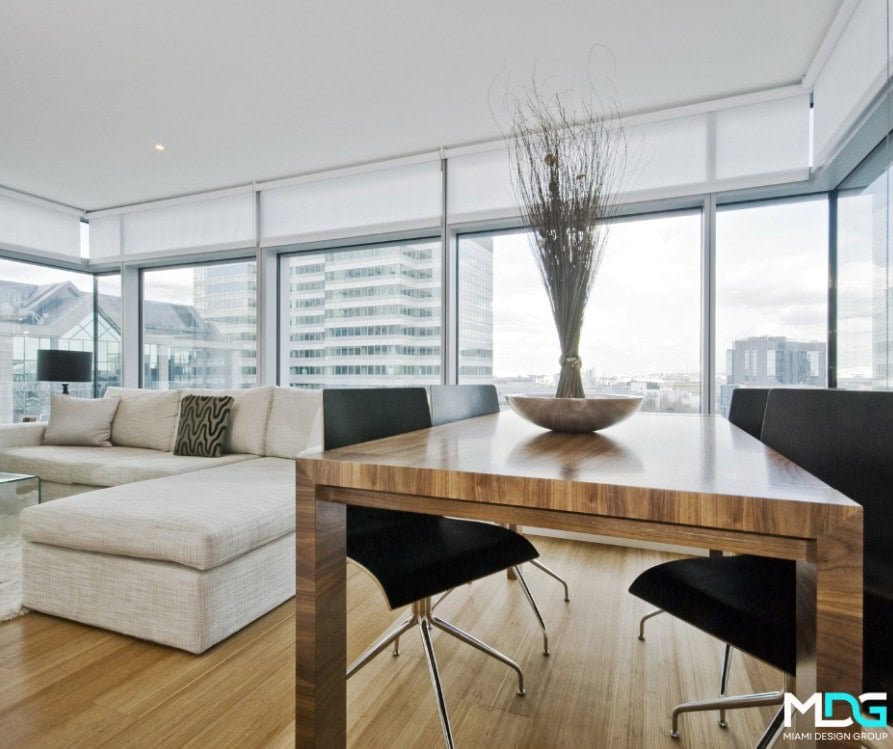
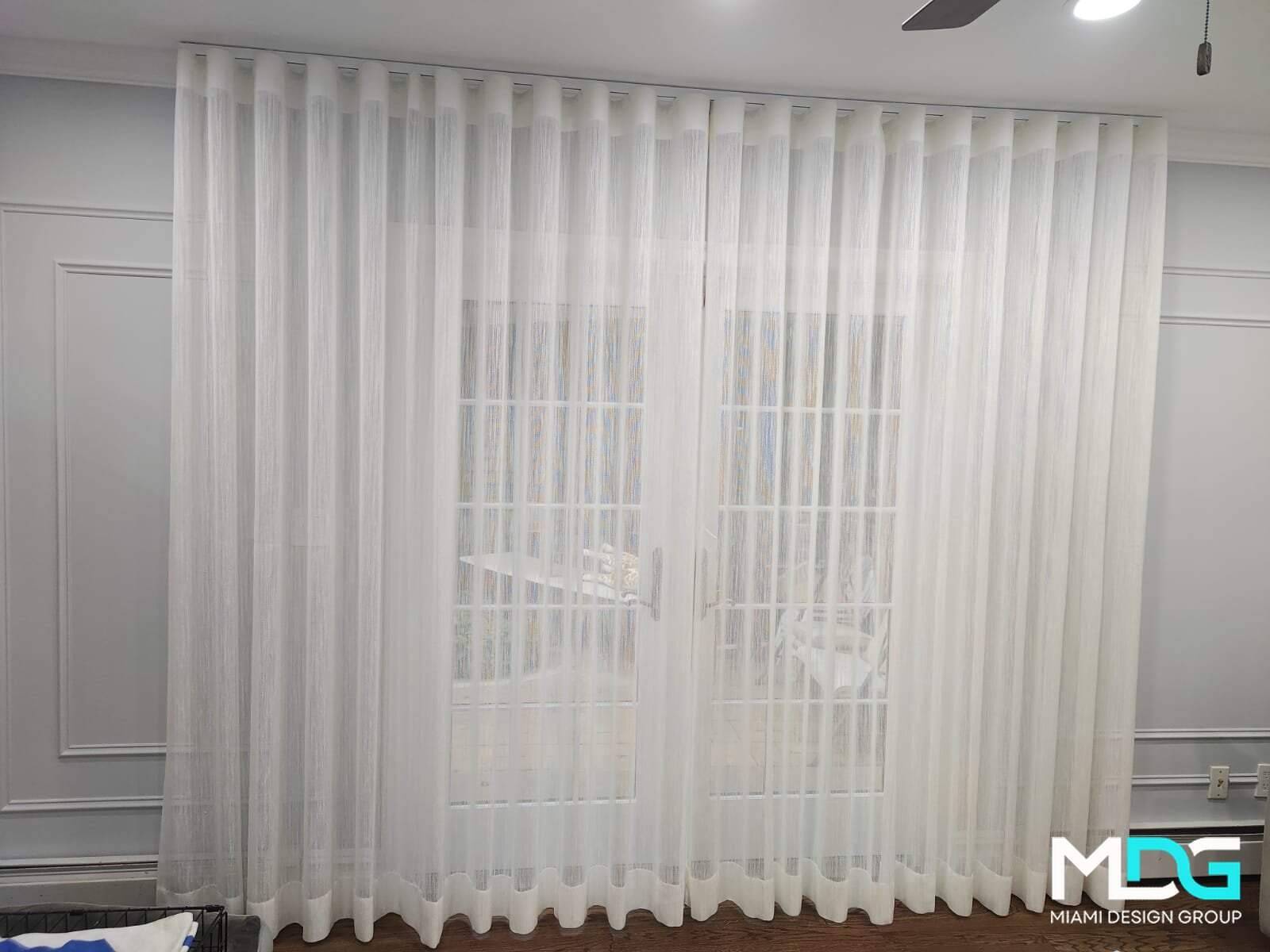
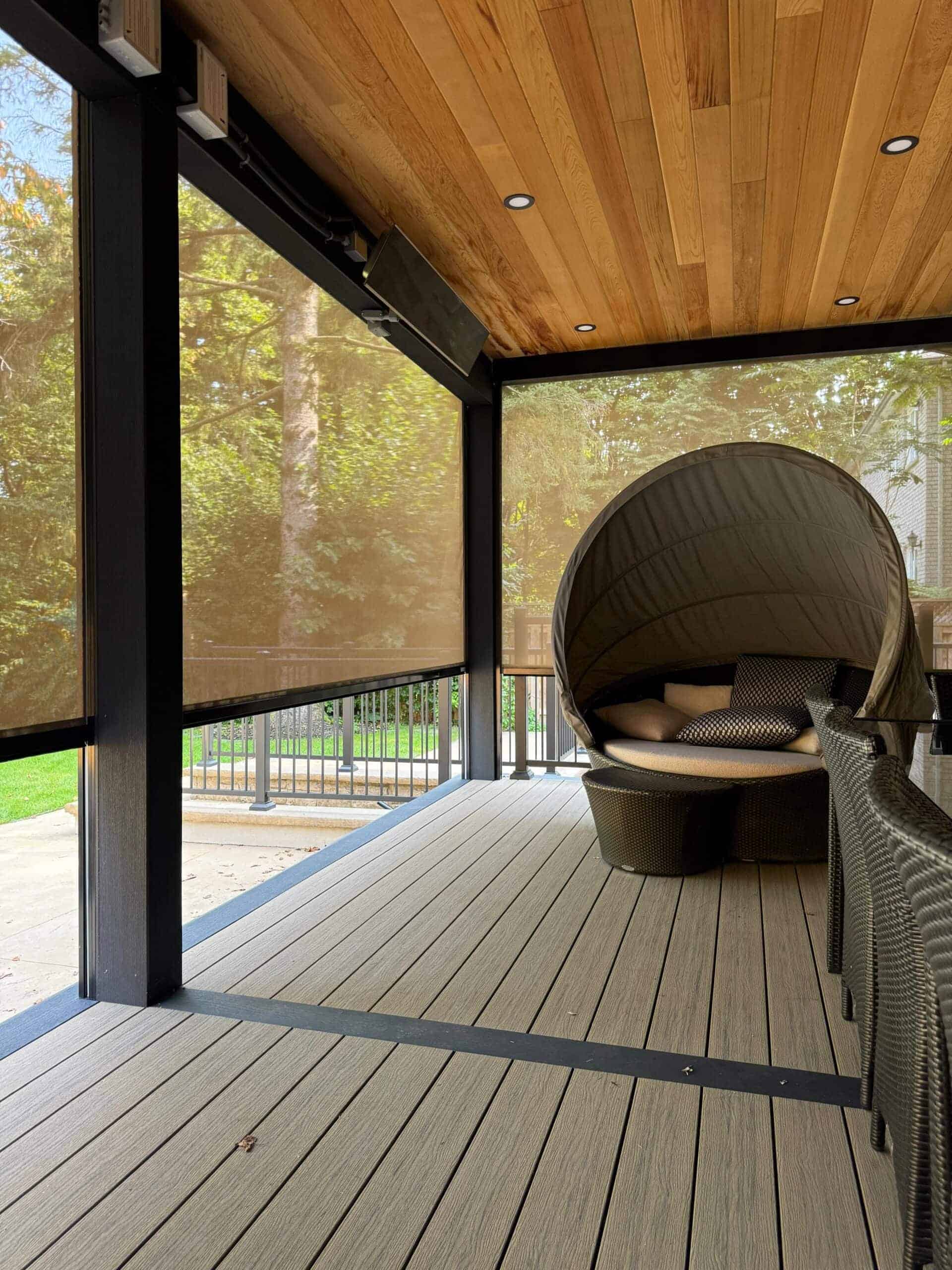
Shades are where the real “innovation” is happening in 2026. From the “honeycomb” insulation of cellular shades to the “now-you-see-it” magic of roller shades, this category is all about fabric and technology. Shades offer a “softer” look than shutters or blinds, allowing you to introduce patterns, textures, and colors into your space that can warm up even the most “industrial” modern condo. They are the “couture” option for your glass. If you value a “disappearing act,” roller shades are your best friend. When they’re up, they take up almost zero space, giving you an unobstructed view of your backyard or the skyline. When they’re down, they can be anything from a sheer “privacy screen” to a total “blackout fortress.” And let’s not forget motorization—shades are the easiest to automate, allowing you to “ghost” the sun with a simple voice command or a pre-set schedule. The joy of shades is the “Cellular” benefit. These shades have a unique “pocket” design that traps air, creating a thermal buffer that keeps your cool air in and the 100-degree Miami air out. It’s like putting a literal parka on your windows (but a very stylish, linen-textured parka). If your goal is energy efficiency without sacrificing a soft, modern aesthetic, shades are the undisputed winner of the 2026 home-tech race.
Want live answers?
Connect with a Miami Design Group expert for fast, friendly support.
Now that you know the players, where do they belong? You wouldn’t put a fabric shade in a bathroom where it can absorb steam like a giant sponge, and you probably don’t want a heavy shutter in a small laundry room where every inch of space counts. It’s about matching the “workload” of the room to the “durability” of the treatment. For high-moisture areas, stick to faux-woods or moisture-resistant shutters to avoid a moldy disaster. In the bedroom, “Blackout” is the only word that matters. While shutters and blinds are great, they naturally have “light gaps” between the louvers or slats. If you’re a light sleeper, a blackout cellular or roller shade with “side channels” is the only way to achieve that “I’m-in-a-cave-and-I-love-it” darkness. Save the shutters for the living room where the architectural detail can actually be seen and appreciated by your guests. For the “Public Areas” like the dining and living rooms, think about the “Vibe Factor.” Do you want a warm, traditional feel with wood-toned shutters, or a sleek, “Metropolitan” look with grey-tone roller shades? This is where your personality shines through. Don’t be afraid to mix and match; you can have shutters on the front of the house for that “curb appeal” and motorized shades on the back for that “poolside luxury.”

We need to talk about the cords. In 2026, manual cords are essentially the “flip-phone” of home design. Not only are they a safety hazard for pets and kids (and a general annoyance for adults), but they also clutter up the clean lines of your window. Motorization is the ultimate luxury upgrade that pays for itself in sheer satisfaction. Watching five shades rise in perfect unison while you’re still under the covers is a dopamine hit that never gets old. Smart home integration means your windows can now talk to your thermostat. When the sensors realize your living room is hitting 80 degrees, the shades can drop automatically to assist your AC. It’s a “pro-active” home that looks out for you, rather than a “reactive” home where you’re constantly running around trying to block the glare. It’s high-tech, it’s sleek, and frankly, it makes you feel like the master of your own universe. If you’re worried about the cost, consider “Strategic Automation.” You don’t have to motorize every window in the guest bedroom, but you absolutely should motorize that 12-foot tall window in the foyer or the ones behind the soaking tub in the master bath. Anywhere that requires a ladder or an awkward reach to adjust is a prime candidate for a motor. Give yourself the gift of convenience—your future self will thank you.
Let’s talk about the “Long Game.” Shutters are the champions here; they can easily last 20 to 30 years if you take care of them. They don’t have cords to break, springs to snap, or fabrics to fray. If you’re in your “forever home,” shutters are the smartest investment you can make. They are the “Iron Man” of window treatments—built to withstand almost anything life (or your kids) can throw at them. Blinds and shades have a slightly shorter lifespan, typically around 7 to 10 years for high-end models. Motors eventually need batteries or a “re-sync,” and fabric can eventually show its age if it’s constantly blasted by UV rays. However, the lower price point and the ability to update your “look” as trends change make them a great choice for the design-conscious homeowner. It’s about balancing “durability” with “flexibility.” Maintenance is the final frontier. Shutters need a quick wipe with a damp cloth. Blinds need a dedicated dusting day. Shades usually just need a light vacuuming with a brush attachment. If you’re the type of person who hasn’t dusted their baseboards since the pandemic started, maybe stick to roller shades or shutters. Be honest with yourself about your “cleaning persona” before you commit to thirty windows of horizontal slats.
At the end of the day, there is no “wrong” answer, only the “right for you” answer. Whether you choose the architectural permanence of shutters, the functional versatility of blinds, or the high-tech fabric of shades, you’re making an investment in the comfort and value of your home. You’re taking back control of your light, your privacy, and your electric bill. And let’s be honest, wouldn’t you rather be the person with the perfectly curated windows than the one still using a “temporary” paper blind? The joy of the makeover is that you don’t have to do it all at once. Start with the “problem windows”—the ones that let in the most heat or offer the least privacy—and build from there. Consult with a professional who can bring samples to your home, because seeing a louver or a fabric swatch against your paint and your light is the only way to be 100% sure. So, go forth and conquer your glass. Stop the “window shopping” and start the “window transforming.” Your home is your sanctuary, and the right treatments are the final touch that makes it feel complete. Stay cool, stay stylish, and let your windows do the heavy lifting for a change. Your “No-Nonsense” era starts today.
Article details:
Share:
Continue learning: