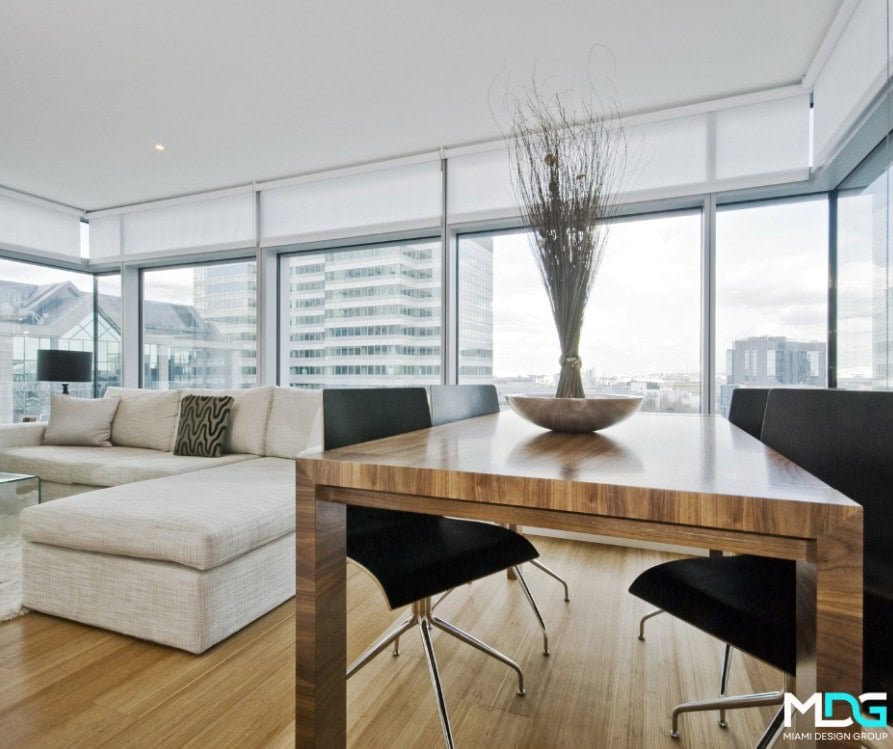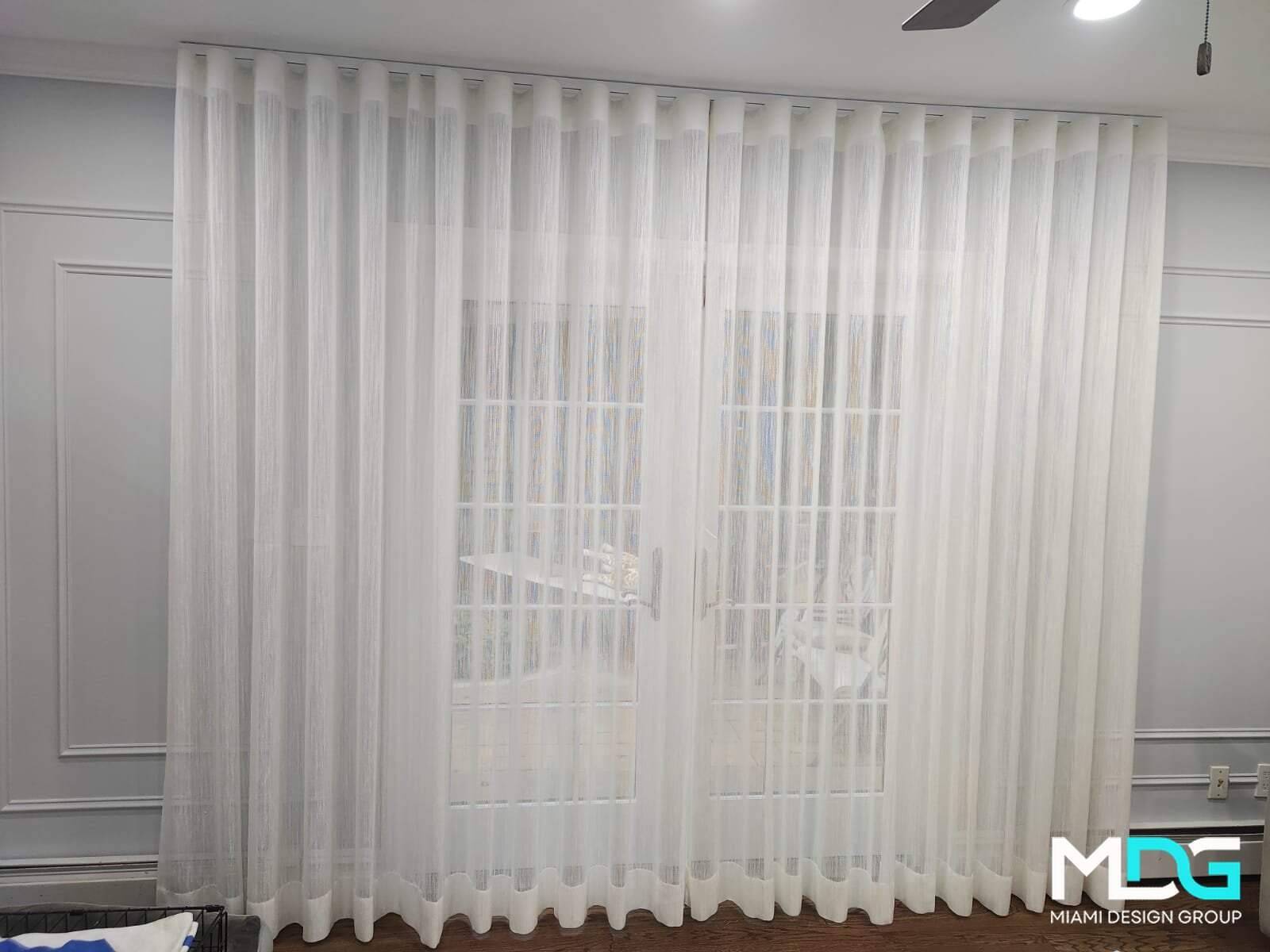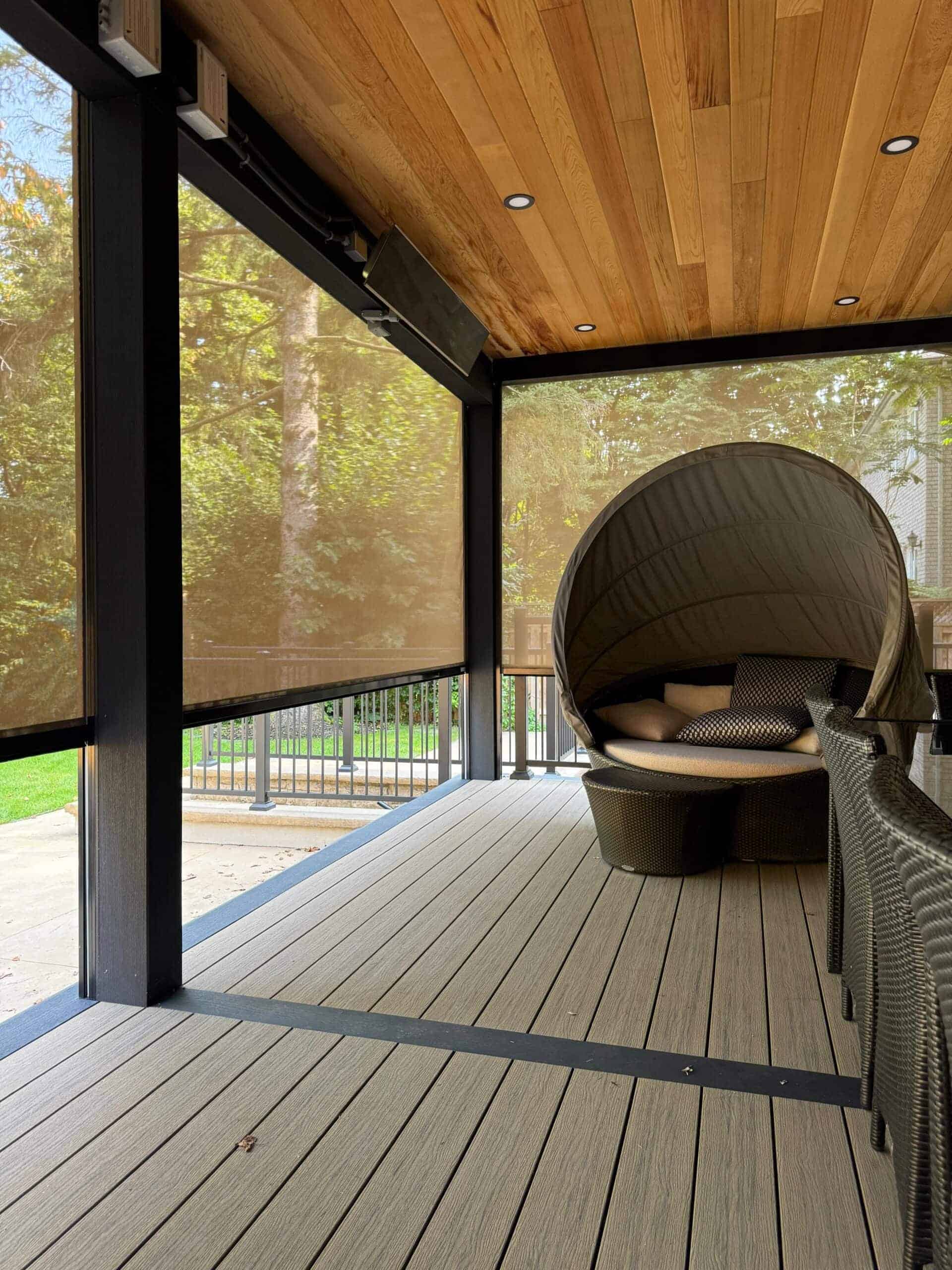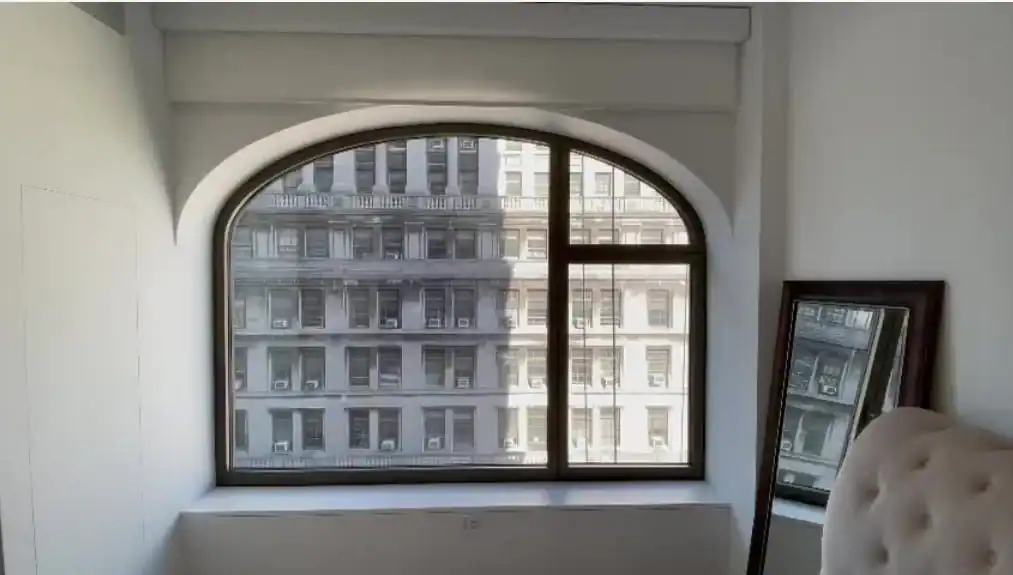
Not sure which custom shades suit your Miami space? This guide helps you choose the perfect style and material.
Share:
Summary:
Miami-Dade County isn’t your average location when it comes to window treatments. You’re dealing with year-round UV exposure that can destroy furniture and artwork in months, not years. The humidity can warp cheap materials, and hurricane season means you need protection that goes beyond basic privacy.
Your custom window shades need to handle 90-degree heat, torrential downpours, and salt air if you’re near the coast. They also need to help your air conditioning system instead of fighting against it. Understanding these challenges upfront helps you make smarter choices that actually last.
Energy costs in Miami can be brutal, especially during summer months when your AC runs constantly. The right custom window shades can cut your cooling costs by up to 30% by blocking heat before it enters your home.
Cellular shades work exceptionally well here because their honeycomb design creates insulating air pockets. When you combine them with low-E coatings or reflective backing, they become even more effective at rejecting heat. Solar shades are another excellent option—they block up to 95% of UV rays while still allowing you to see outside.
The key is choosing shades with high R-values and low solar heat gain coefficients. These technical specifications might sound boring, but they directly impact your electric bill every month. In Miami’s climate, energy-efficient shades often pay for themselves within two to three years through reduced cooling costs.
Don’t overlook federal tax credits either. Many energy-efficient window treatments qualify for up to $1,200 in federal tax credits, making premium options more affordable than you might think.
Energy costs in Miami can be brutal, especially during summer months when your AC runs constantly. The right custom window shades can cut your cooling costs by up to 30% by blocking heat before it enters your home.
Cellular shades work exceptionally well here because their honeycomb design creates insulating air pockets. When you combine them with low-E coatings or reflective backing, they become even more effective at rejecting heat. Solar shades are another excellent option—they block up to 95% of UV rays while still allowing you to see outside.
The key is choosing shades with high R-values and low solar heat gain coefficients. These technical specifications might sound boring, but they directly impact your electric bill every month. In Miami’s climate, energy-efficient shades often pay for themselves within two to three years through reduced cooling costs.
Don’t overlook federal tax credits either. Many energy-efficient custom window treatments qualify for up to $1,200 in federal tax credits, making premium options more affordable than you might think.
Want live answers?
Connect with a Miami Design Group expert for fast, friendly support.
Miami’s humidity and salt air can destroy cheap materials quickly. You need fabrics and components designed for coastal climates. Synthetic materials often outperform natural ones here because they resist moisture, fading, and mildew better.
Look for solution-dyed fabrics rather than piece-dyed ones. Solution-dyed materials have color added during the fiber production process, making them incredibly fade-resistant. This matters when your windows face west and get hammered by afternoon sun every single day.
Polyester and acrylic fabrics perform exceptionally well in Miami’s climate. They resist moisture absorption, dry quickly when they do get wet, and maintain their shape over time. Sunbrella fabrics, originally designed for marine environments, work particularly well because they’re engineered to handle salt air and intense UV exposure.
Avoid natural fibers like cotton or linen unless they’ve been specially treated for outdoor use. These materials can develop mold or mildew in Miami’s humidity, especially in rooms with poor air circulation. If you love the look of natural materials, consider synthetic alternatives that mimic the texture without the maintenance headaches.
Vinyl and PVC materials work well for areas with high moisture exposure, like bathrooms or kitchens. They’re easy to clean and won’t absorb odors or moisture. However, they can look less elegant than fabric options, so consider where you’re installing them.
For the ultimate in durability, consider solution-dyed acrylic fabrics with antimicrobial treatments. These resist fading, mold, and bacteria while maintaining their appearance for years. They cost more upfront but often prove cheaper in the long run because they don’t need frequent replacement.
Motorized custom window shades aren’t just convenient—they’re practical for Miami living. You can program them to automatically adjust throughout the day, blocking harsh morning sun on east-facing windows and afternoon heat on west-facing ones.
Smart integration becomes especially valuable during hurricane season. You can close all your shades remotely if you’re away from home when a storm warning is issued. Some systems even integrate with weather apps to automatically adjust based on UV index or temperature forecasts.
Battery-powered motorization works well in Miami because you don’t need to worry about power outages affecting your ability to operate the shades. Solar-powered options are becoming more popular too, though they need adequate sun exposure to stay charged.
Voice control through Alexa, Google Home, or Siri adds another layer of convenience. You can adjust shades without getting up from your couch or bed, which is particularly nice when you’re trying to block glare while watching TV or sleeping in on weekends.
The key is choosing systems that integrate well with your existing smart home setup. Some motorization systems work with virtually any smart home platform, while others are limited to specific ecosystems.
Choosing custom window shades for your Miami-Dade home comes down to balancing function, style, and budget. Start with your biggest challenges—whether that’s energy costs, UV protection, or hurricane preparation—and choose shades that address those issues first.
Don’t forget to factor in long-term costs, not just upfront prices. Energy-efficient shades that qualify for tax credits and reduce your cooling bills often prove more economical than cheaper alternatives that need frequent replacement.
When you’re ready to move forward, work with a company that understands South Florida’s unique challenges. We have been helping homeowners navigate these decisions for years, combining technical expertise with design sensibility to create solutions that actually work for Miami living.
Article details:
Share:
Continue learning: