Open-concept living demands smart window treatment choices. This 2026 guide reveals how layering, natural materials, and strategic design create cohesive spaces with perfect light control.
Share:
Summary:
Open-concept homes feel spacious and connected, but they present specific challenges that traditional room-by-room layouts don’t. Without walls dividing spaces, light travels differently. Sound carries further. And every design choice becomes visible from multiple angles.
The biggest challenge? Visual cohesion. When you can see your living room, dining area, and kitchen simultaneously, your window treatments need to work together as a unified design. Mismatched styles or colors that might work fine in separate rooms suddenly feel disjointed when viewed as one continuous space.
Then there’s the light management issue. Open-concept homes often feature windows on multiple walls, sometimes facing different directions. East-facing windows flood your breakfast nook with morning sun while west-facing living room windows create afternoon glare. You need solutions that address each exposure without making your space feel like a patchwork of random treatments.

In Miami-Dade and Broward Counties, natural light isn’t just abundant—it’s intense. Florida’s subtropical climate means strong UV rays year-round, and that beautiful sunshine can quickly become a problem without proper window treatments.
Unfiltered sunlight causes several issues in open-concept homes. First, there’s the obvious glare that makes watching TV or working on a computer nearly impossible during certain hours. But the damage goes deeper. UV rays fade furniture, artwork, and flooring. They increase indoor temperatures, forcing your air conditioning to work harder and driving up energy costs. In South Florida’s climate, this isn’t a minor inconvenience—it’s a significant ongoing expense.
Natural light also affects your mood and productivity. Research shows that exposure to daylight regulates sleep patterns, boosts energy levels, and improves concentration. The goal isn’t to block all light—it’s to manage it intelligently. You want to harness the benefits of natural light while eliminating the drawbacks.
This is where layered window treatments become essential. By combining different materials and opacities, you can diffuse harsh sunlight during peak hours while still maintaining brightness and views. Sheer shades filter light gently during the day, reducing glare without darkening the room. When you need complete privacy or room darkening, a secondary layer provides that option.
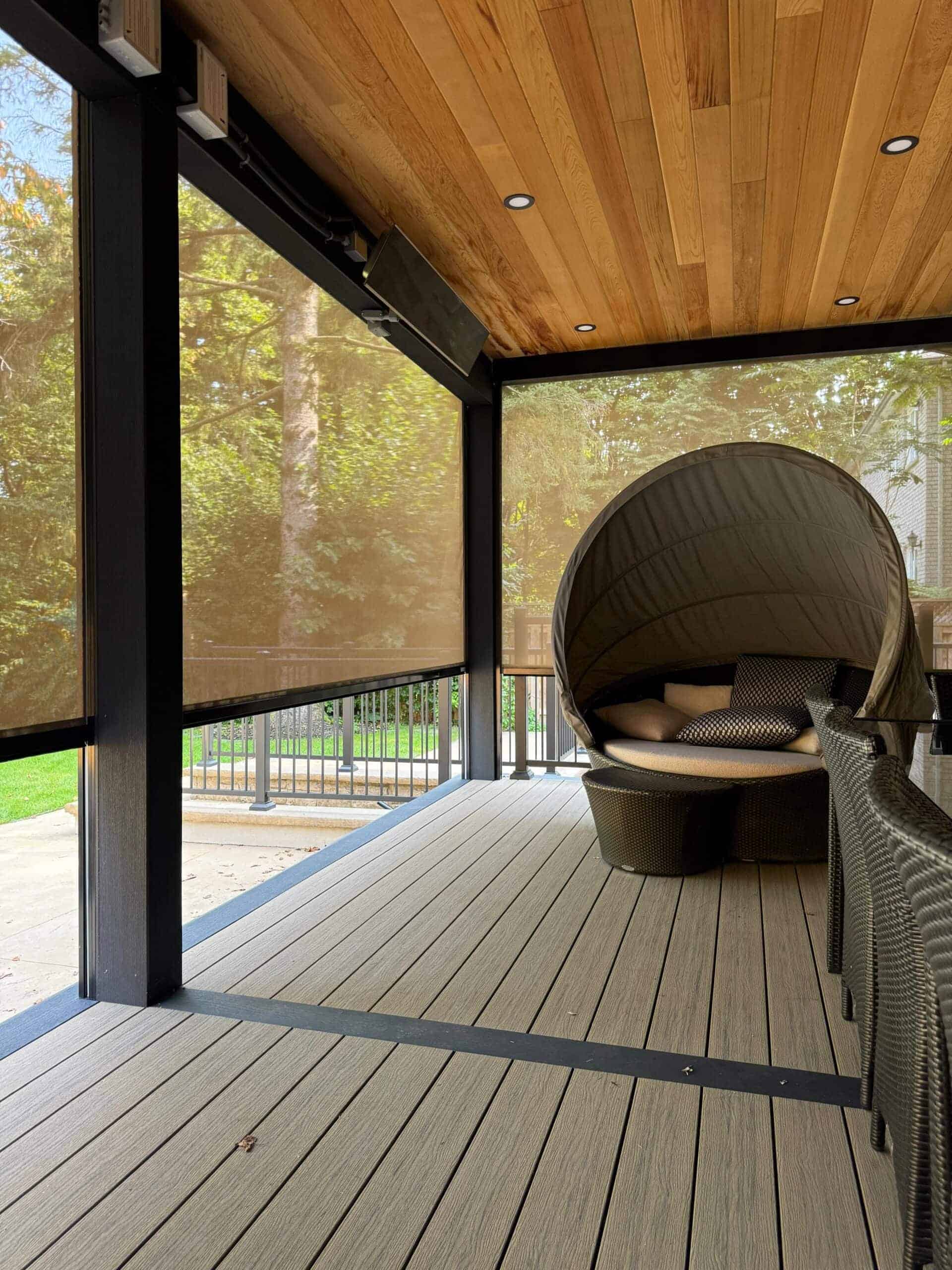
The right window treatments also improve energy efficiency. Cellular shades with their honeycomb structure trap air, creating an insulating barrier that reduces heat transfer. Solar shades block UV rays and heat while preserving your views. In Miami’s hot climate, these features translate directly to lower cooling costs and improved comfort.
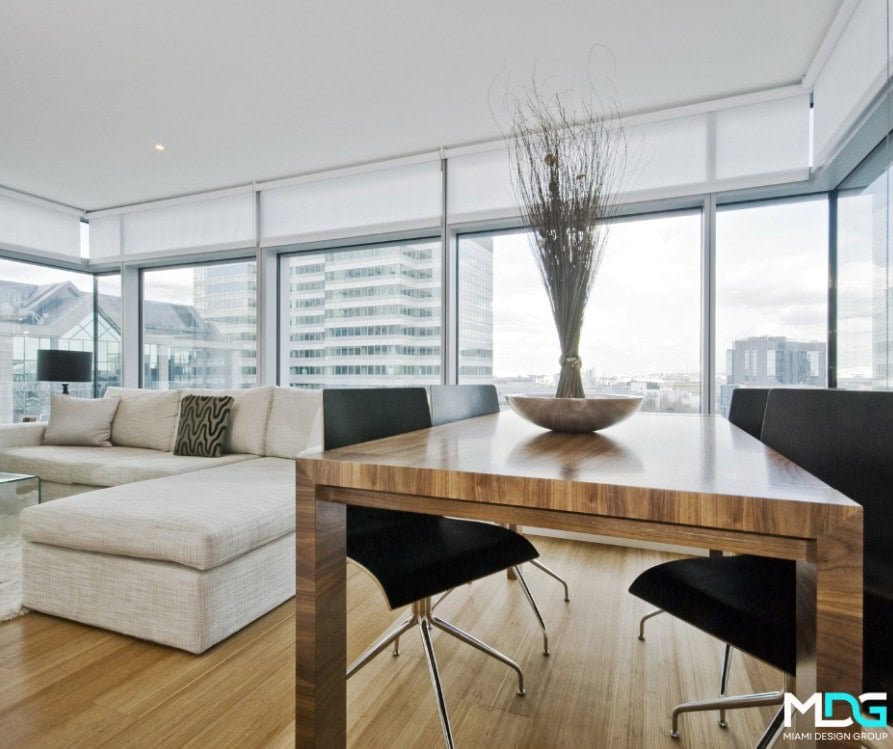
For open-concept spaces with floor-to-ceiling windows—increasingly common in South Florida architecture—the impact multiplies. Large expanses of glass mean more heat gain and more potential for glare. Strategic window treatment choices become even more critical. You need solutions that can handle the scale of these windows while maintaining the clean, uncluttered aesthetic that makes open-concept design so appealing.
In Miami-Dade and Broward Counties, natural light isn’t just abundant—it’s intense. Florida’s subtropical climate means strong UV rays year-round, and that beautiful sunshine can quickly become a problem without proper window treatments.
Unfiltered sunlight causes several issues in open-concept homes. First, there’s the obvious glare that makes watching TV or working on a computer nearly impossible during certain hours. But the damage goes deeper. UV rays fade furniture, artwork, and flooring. They increase indoor temperatures, forcing your air conditioning to work harder and driving up energy costs. In South Florida’s climate, this isn’t a minor inconvenience—it’s a significant ongoing expense.
Natural light also affects your mood and productivity. Research shows that exposure to daylight regulates sleep patterns, boosts energy levels, and improves concentration. The goal isn’t to block all light—it’s to manage it intelligently. You want to harness the benefits of natural light while eliminating the drawbacks.
This is where layered window treatments become essential. By combining different materials and opacities, you can diffuse harsh sunlight during peak hours while still maintaining brightness and views. Sheer shades filter light gently during the day, reducing glare without darkening the room. When you need complete privacy or room darkening, a secondary layer provides that option.
The right window treatments also improve energy efficiency. Cellular shades with their honeycomb structure trap air, creating an insulating barrier that reduces heat transfer. Solar shades block UV rays and heat while preserving your views. In Miami’s hot climate, these features translate directly to lower cooling costs and improved comfort.
For open-concept spaces with floor-to-ceiling windows—increasingly common in South Florida architecture—the impact multiplies. Large expanses of glass mean more heat gain and more potential for glare. Strategic window treatment choices become even more critical. You need solutions that can handle the scale of these windows while maintaining the clean, uncluttered aesthetic that makes open-concept design so appealing.
Want live answers?
Connect with a Miami Design Group expert for fast, friendly support.
Layering has emerged as the dominant window treatment strategy for 2026, and for good reason. It solves multiple challenges simultaneously—light control, privacy, insulation, and visual interest—while providing the flexibility that open-concept living demands.
The concept is straightforward: combine two or more types of window coverings on the same window to achieve different effects at different times. During the day, sheer shades filter harsh sunlight into a soft, diffused glow. In the evening, blackout drapery provides complete privacy. The combination gives you precise control over your environment without compromising aesthetics.
For open-concept homes in Miami-Dade and Broward Counties, layering addresses the specific challenges of South Florida living. The outer layer can provide UV protection and heat reduction during intense afternoon sun. The inner layer adds insulation and privacy. Together, they create a system that adapts to your needs throughout the day and across seasons.
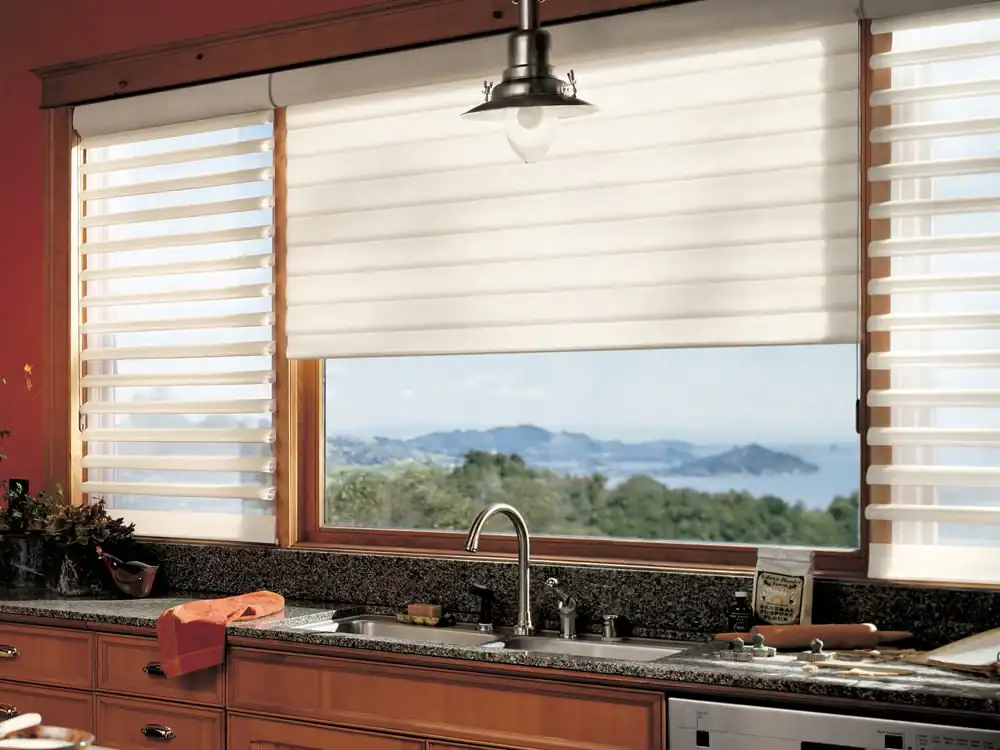
Not all layering combinations deliver the same results. Some pairings provide better light control, others excel at insulation, and some simply look more cohesive. Understanding which combinations work best helps you make informed choices for your specific needs.
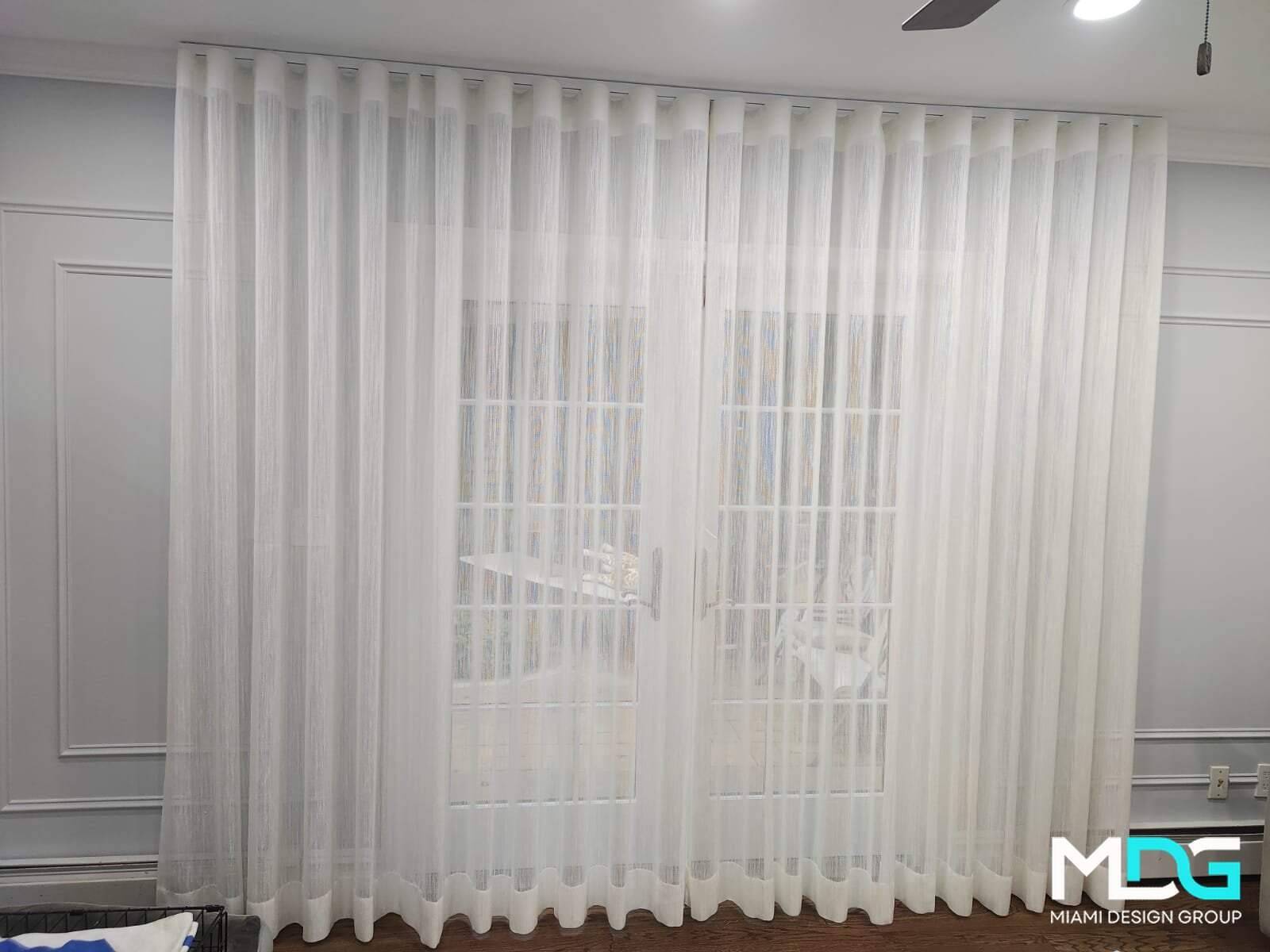
The sheer plus opaque combination remains the most popular for good reason. Sheer shades or curtains serve as your daytime layer, softening harsh sunlight while maintaining views and brightness. When privacy becomes necessary or you want to darken the room, blackout drapery or room-darkening roller shades provide that option. This pairing works beautifully in living areas where you want flexibility throughout the day.
Roller shades paired with drapery panels offer a clean, contemporary look that suits modern open-concept spaces. The roller shade handles the functional work—light filtering, UV protection, privacy—while the drapery panels add softness and frame the window elegantly. You can operate them independently, raising the shade for views while keeping panels drawn for visual warmth, or closing both for complete privacy.
Cellular shades combined with side panels create an energy-efficient solution that doesn’t sacrifice style. The honeycomb structure of cellular shades provides excellent insulation, crucial for managing Miami’s heat. The side panels in a complementary fabric add a finished, designer look. This combination works particularly well for larger windows where you want both performance and presence.
Woven wood shades layered with sheer curtains bring biophilic design principles into your space. The natural texture of bamboo, jute, or reed shades connects your interior to the outdoors—a key trend in 2026 design. The sheer curtains soften the look while providing an additional layer of light diffusion. This pairing suits coastal and tropical-inspired interiors common in South Florida.
For maximum versatility, consider motorized layered treatments. Smart home integration allows you to program different scenes—”morning” might raise both layers to welcome natural light, “afternoon” might lower the shade while keeping panels open, and “evening” closes everything for privacy. You control it all from your phone or voice commands, making it effortless to adjust multiple windows across your open-concept space.
The key to successful layering is ensuring the combinations don’t look heavy or cluttered. In open-concept homes where visual flow matters, you want treatments that feel intentional and refined. Stick to complementary colors and materials. Avoid overly ornate hardware or excessive fabric that overwhelms the window. The goal is sophisticated simplicity that enhances your space without dominating it.
Biophilic design—bringing elements of nature into interior spaces—continues gaining momentum in 2026, and window treatments play a central role in this trend. The principle is simple: humans have an innate connection to nature, and incorporating natural elements into our homes improves wellbeing, reduces stress, and creates more inviting environments.
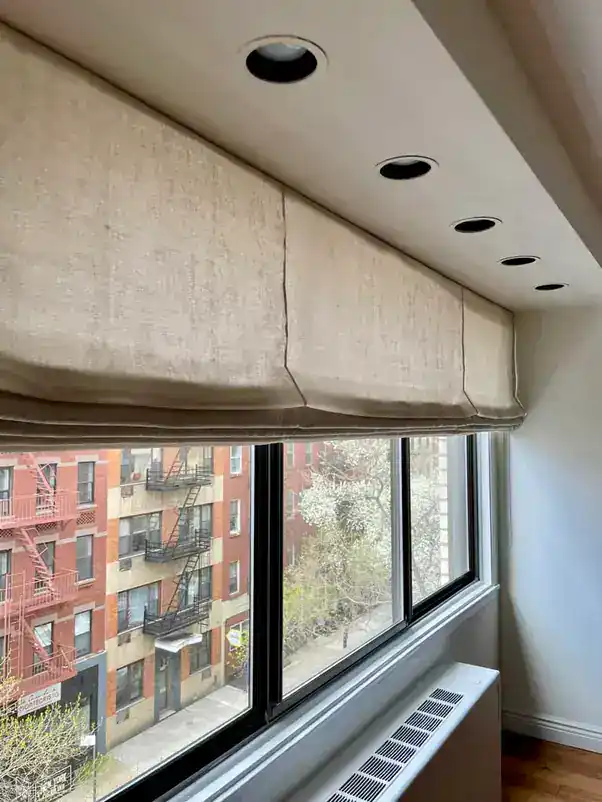
For window treatments, biophilic design means choosing materials that feel organic and tactile. Linen curtains with their subtle texture and natural drape create a relaxed, sophisticated atmosphere. Woven wood shades made from bamboo, jute, or reed bring literal pieces of nature to your windows. These materials aren’t just aesthetically pleasing—they create a sensory experience that synthetic materials can’t replicate.
The color palette of biophilic design draws directly from nature. Think sage and olive greens, warm terracotta and clay tones, soft sandy beiges, and earthy browns. These hues work beautifully in South Florida homes where the goal is often to blur the line between indoor and outdoor living. Your window treatments in these natural tones complement the lush greenery visible through your windows while creating a cohesive connection to the landscape.
Natural materials also align with the growing emphasis on sustainability. Homeowners increasingly want eco-conscious choices that don’t compromise on quality or style. Bamboo grows rapidly and regenerates quickly, making it an environmentally responsible option. Organic cotton and linen are grown without harmful pesticides. Many manufacturers now offer window treatments made from recycled materials or sustainable sources, allowing you to make choices that align with your values.
In open-concept spaces, biophilic window treatments create visual warmth that balances the potential starkness of large, open areas. The organic textures add depth and interest without cluttering the space. Woven wood shades, for example, provide pattern and dimension while maintaining the clean lines that modern open-concept design demands.
The practical benefits matter too. Natural materials often provide excellent light filtering—enough to reduce glare and UV exposure while still allowing soft, diffused light to enter. This creates the bright, airy atmosphere that makes open-concept homes so appealing while protecting your furnishings from sun damage.
For Miami homeowners, biophilic design makes particular sense. The tropical climate, abundant greenery, and indoor-outdoor lifestyle already connect you to nature. Window treatments in natural materials extend that connection throughout your interior spaces. When you can see palm trees through your woven bamboo shades, the visual harmony feels effortless and intentional.
Consider layering natural materials with other textures for added depth. Linen drapery panels paired with cellular shades combine organic beauty with high-performance insulation. Woven wood shades backed with a liner offer the natural aesthetic you want with enhanced light control and privacy when needed. These combinations deliver both form and function without compromise.
Choosing window treatments for open-concept living doesn’t have to feel overwhelming. Focus on three key principles: visual cohesion across connected spaces, layered solutions for flexibility, and natural materials that create warmth and connection. These strategies address the unique challenges of open floor plans while reflecting the design trends shaping 2026.
Remember that your window treatments do more than cover windows—they manage Miami’s intense sunlight, improve energy efficiency, provide privacy when needed, and contribute significantly to your home’s overall aesthetic. The right choices enhance how you live in your space every single day.
If you’re ready to transform your open-concept home with window treatments that combine beauty and performance, we bring 15 years of expertise to every project. Our comprehensive approach handles everything from initial consultation through professional installation, ensuring your vision becomes reality with precision and care.
Article details:
Share:
Continue learning: