Miami homeowners need window solutions that handle both daily comfort and storm-season protection—motorized shades and retractable screens deliver both.
Share:
Summary:
Motorized window shades have become essential in Miami for good reason. You’re dealing with intense sun that can account for up to 40% of your cooling costs, and manual adjustments throughout the day just aren’t practical.
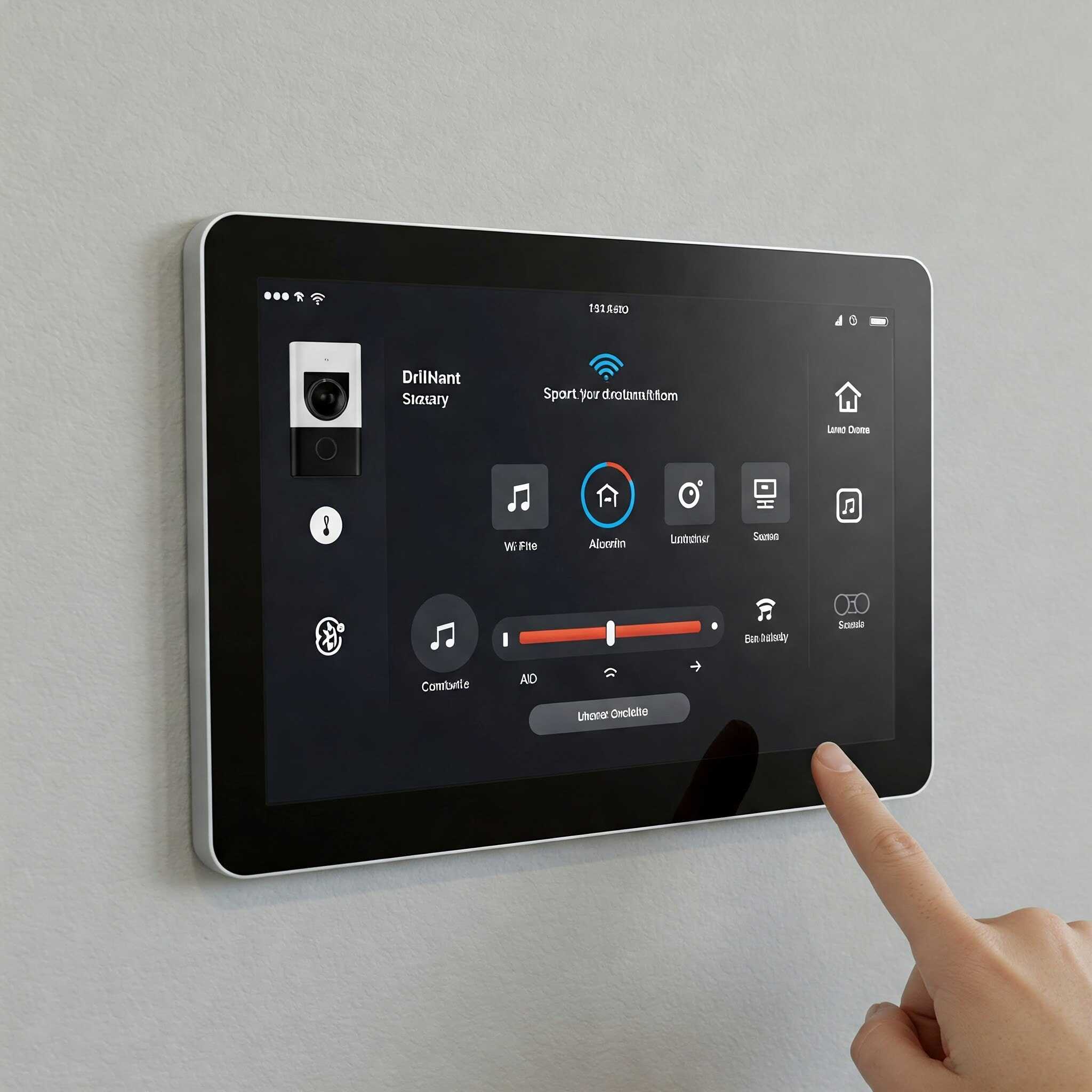
These systems let you control light and heat with a button press or voice command. Your shades can automatically close during peak sun hours, reducing the strain on your AC system. The technology integrates with smart home platforms like Alexa and Google Home, so your window treatments work with your thermostats and lighting systems.
The real advantage? You’re not just getting convenience—you’re getting measurable energy savings and the ability to maintain consistent indoor comfort without constantly adjusting manual blinds.

Miami’s tropical climate puts serious demands on your window treatments. The sun here isn’t just bright—it’s relentless, and it drives up your energy bills fast.
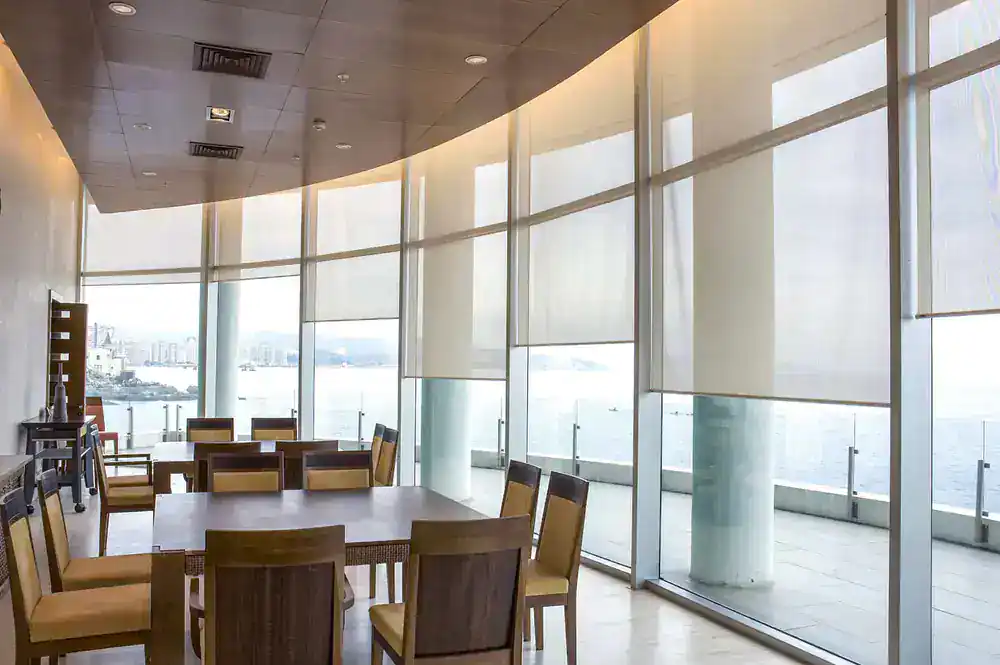
Motorized shades equipped with solar-responsive fabrics can automatically adjust based on exterior light sensors. When the sun hits its peak intensity, your shades respond without you lifting a finger. This isn’t just about convenience—it’s about protecting your furniture from UV damage and keeping your cooling costs manageable.
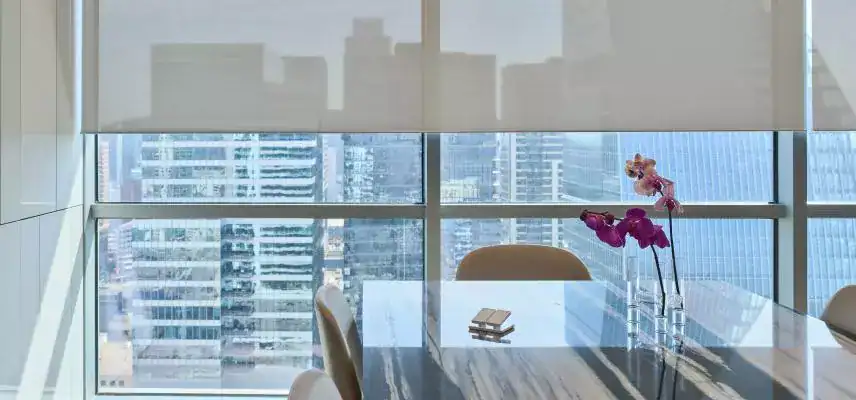
The best motorized systems for Miami use cellular or solar screen fabrics. Cellular shades create insulating air pockets that block heat transfer, while solar screens can reduce heat gain by up to 80% while still allowing you to see outside. Both options work with automation systems that learn your preferences over time.
Smart integration means your shades can coordinate with your HVAC system. When your thermostat detects rising indoor temperatures, it can signal your shades to provide additional sun blocking. During cooler morning or evening hours, they’ll open to let in natural light and reduce your need for artificial lighting.
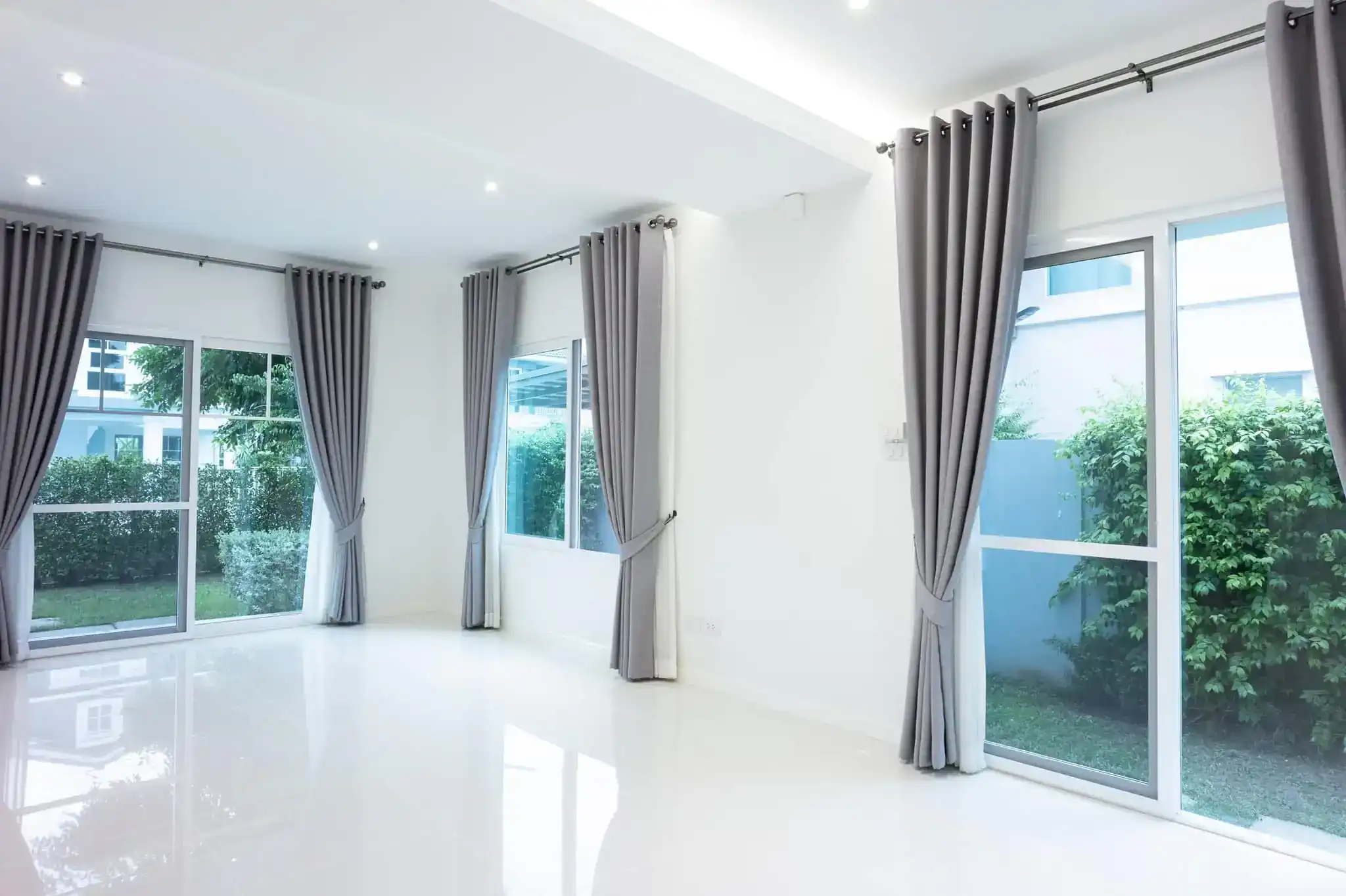
You can also program different rooms for different schedules. Your east-facing bedroom windows might close automatically after sunrise to keep the room cool for sleeping, while your west-facing living room shades adjust throughout the afternoon to prevent glare on your TV or computer screens.
Miami’s tropical climate puts serious demands on your window treatments. The sun here isn’t just bright—it’s relentless, and it drives up your energy bills fast.
Motorized shades equipped with solar-responsive fabrics can automatically adjust based on exterior light sensors. When the sun hits its peak intensity, your shades respond without you lifting a finger. This isn’t just about convenience—it’s about protecting your furniture from UV damage and keeping your cooling costs manageable.
The best motorized systems for Miami use cellular or solar screen fabrics. Cellular shades create insulating air pockets that block heat transfer, while solar screens can reduce heat gain by up to 80% while still allowing you to see outside. Both options work with automation systems that learn your preferences over time.
Smart integration means your shades can coordinate with your HVAC system. When your thermostat detects rising indoor temperatures, it can signal your shades to provide additional sun blocking. During cooler morning or evening hours, they’ll open to let in natural light and reduce your need for artificial lighting.
You can also program different rooms for different schedules. Your east-facing bedroom windows might close automatically after sunrise to keep the room cool for sleeping, while your west-facing living room shades adjust throughout the afternoon to prevent glare on your TV or computer screens.
Want live answers?
Connect with a Miami Design Group expert for fast, friendly support.
Miami-Dade County has some of the strictest hurricane protection requirements in the country, and for good reason. When hurricane season arrives, your windows become the most vulnerable part of your home’s exterior.
The Florida Building Code requires that all glazed openings have either impact-resistant windows or impact coverings like approved shutters. This isn’t optional—it’s mandatory for new construction and many renovation projects. Understanding these requirements helps you choose window treatments that provide both daily comfort and storm-season protection.
Motorized retractable screens can complement your existing hurricane protection or, in some cases, serve as code-compliant protection themselves when they meet specific impact ratings.

Miami-Dade County sits in a High Velocity Hurricane Zone (HVHZ), which means your window protection must withstand winds up to 200 mph and resist impact from flying debris. The codes aren’t suggestions—they’re legal requirements that affect your insurance rates and property value.
For window treatments to serve as hurricane protection, they must pass rigorous testing including large and small missile impact tests. Products need Miami-Dade Notice of Acceptance (NOA) certification, which involves testing at county-approved laboratories. The testing simulates Category 5 hurricane conditions, including projectile impacts followed by sustained wind pressure cycles.
Standard window treatments like regular blinds or basic shades don’t meet these requirements. You need either impact-resistant windows or approved protective coverings. Some motorized retractable screens now meet these standards, offering the convenience of automated operation with the protection level required by law.
The consequences of non-compliance go beyond legal issues. Insurance companies in Florida are required to offer discounts for proper hurricane protection, but they can also increase rates or deny claims if your protection doesn’t meet code requirements. Having compliant protection isn’t just about following rules—it’s about protecting your investment and your family.
Building inspectors will verify that your hurricane protection meets current codes, and they need to see proper certification labels on any products you install. This verification happens during construction inspections and can be required for insurance wind mitigation inspections that determine your premium discounts.
The choice between retractable screens and impact windows depends on your specific situation, budget, and protection needs. Both can meet Miami-Dade hurricane requirements, but they serve different purposes and offer different advantages.
Impact windows provide permanent protection and are always ready for storms. They offer excellent noise reduction, UV protection, and energy efficiency even when there’s no storm threat. However, they’re a major investment and permanently change your home’s appearance. Once installed, you can’t choose to have an unobstructed view.
Retractable screens offer flexibility that impact windows can’t match. When you don’t need storm protection, they roll up completely out of sight, giving you unobstructed views and full access to your outdoor spaces. During storm season, they deploy quickly to provide the protection required by code. Some systems can cover openings up to 22 feet wide, making them suitable for large patio doors or lanai openings that would be extremely expensive to protect with impact glass.
The newest retractable screen systems exceed Miami-Dade codes for roll-down hurricane protection and can withstand Category 5 winds. They use advanced tracking systems and reinforced fabrics that resist tearing even under extreme pressure. Motorized versions deploy at the touch of a button, eliminating the physical effort required with manual systems.
Cost considerations vary significantly. Retractable screens typically cost less than impact windows for large openings, but the gap narrows for standard-sized windows. Maintenance requirements differ too—impact windows need minimal upkeep, while retractable screens require periodic inspection and maintenance of their mechanical components.
Your decision might also depend on your home’s architecture. Historic properties or homes with unique window shapes may find retractable screens more practical than custom impact windows. Similarly, rental properties benefit from the flexibility of removable protection systems.
Your window treatments in Miami need to work harder than anywhere else in the country. Between hurricane codes, year-round heat, and the demand for smart home integration, you need solutions that deliver both protection and convenience.
Motorized window shades handle daily comfort automatically while reducing your energy costs. Retractable screens provide the storm protection Miami-Dade County requires without permanently changing your view. The key is choosing systems that integrate well with your home’s existing features and your family’s lifestyle.
The technology has matured to the point where these systems are reliable, cost-effective, and genuinely useful for Miami homeowners. Whether you need code-compliant hurricane protection or just want better control over heat and glare, we can help you find the right combination of motorized solutions for your specific situation.
Article details:
Share:
Continue learning: