Your renovation is the perfect time to integrate smart home automation. Professional installation ensures unified control, energy savings, and a future-ready home that actually works.
Share:
Summary:
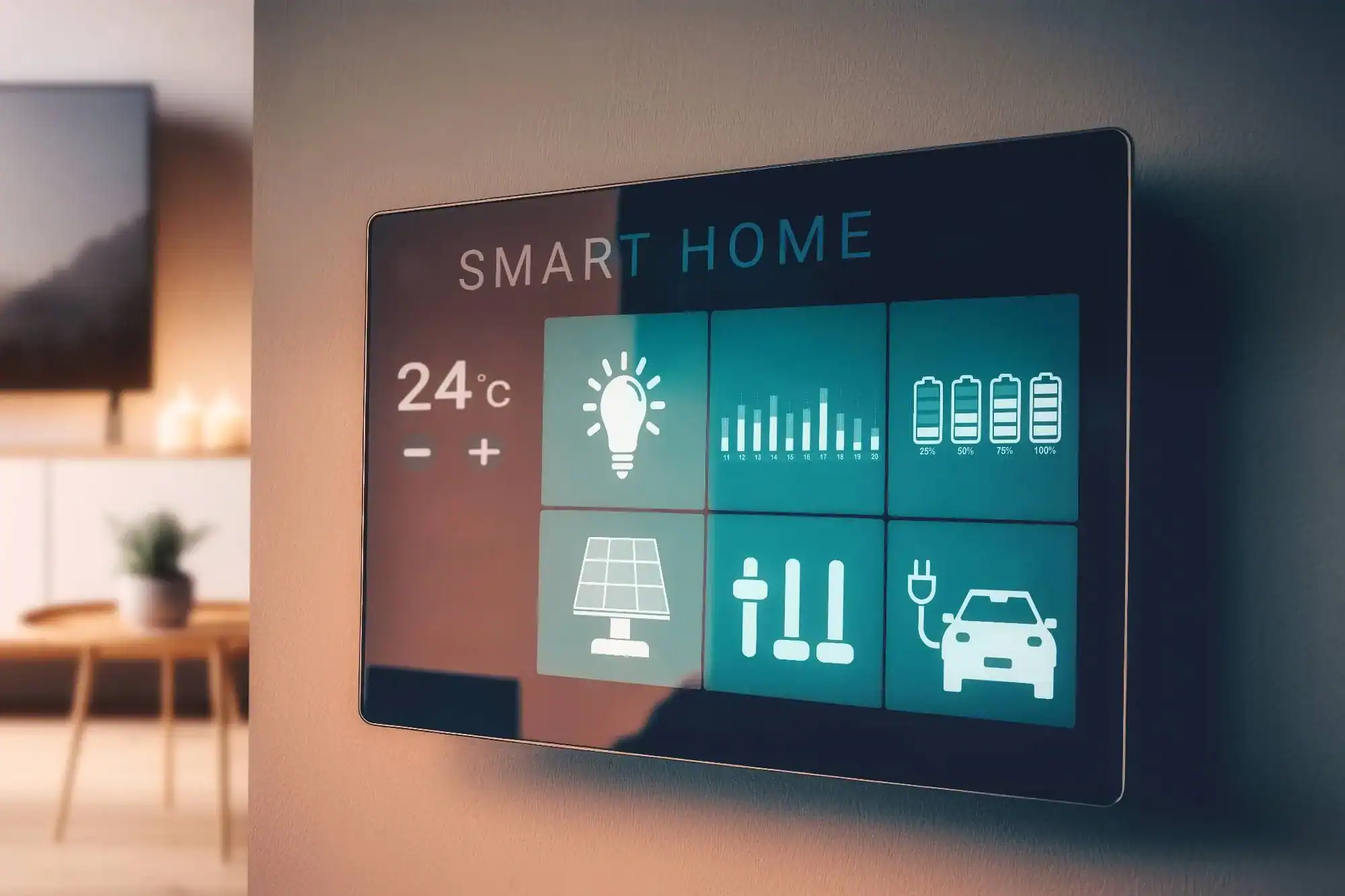
Most people think home automation means buying a smart thermostat and calling it a day. That’s not automation—that’s just a connected device.
A professional home automation company creates unified smart home systems where lighting, climate, security, window treatments, and entertainment all communicate through one platform. Not six apps. Not three remotes. One system that actually understands your routines.
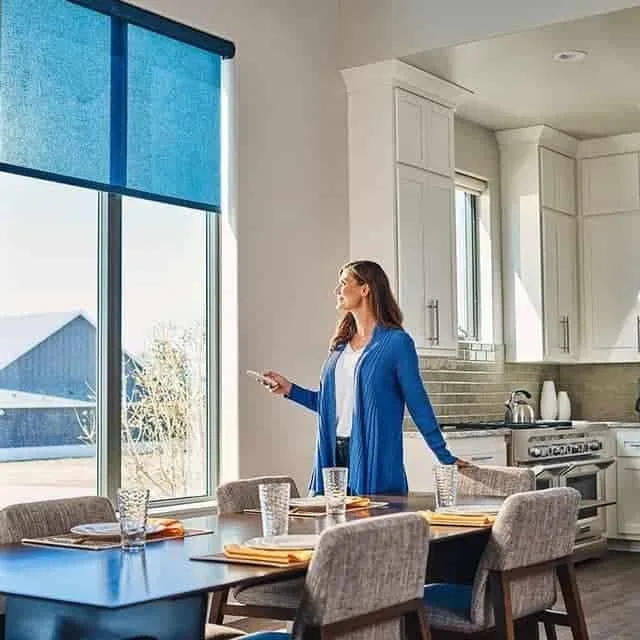
The difference shows up immediately. When you leave for work, your system doesn’t just lock the door. It adjusts the thermostat, closes the shades to protect furniture from UV damage, arms the security system, and shuts off unnecessary power draws. That’s what professional smart home installation delivers—coordination, not just control.
Here’s the reality: installing structured wiring after drywall is up costs three times more than doing it during construction. You’re cutting into walls, patching, repainting, and dealing with dust throughout your finished space. It’s expensive, disruptive, and often means compromising on placement because retrofit options are limited.
During a renovation, walls are already open. Electricians are already on site. Your contractor is already coordinating trades. This is when you install the conduit, network cabling, and power infrastructure that makes future-proof renovation possible. You’re not just wiring for today’s technology—you’re creating pathways for whatever comes next.
Professional installers know where to run lines for optimal Wi-Fi coverage, how to position control panels for intuitive access, and which walls need reinforcement for motorized window treatments. We’re thinking about signal strength, power loads, and how systems integrate before anything gets sealed behind drywall. In Miami-Dade County and Broward County homes, we also account for humidity considerations and storm preparedness requirements that affect equipment placement.
The timing matters for another reason: coordination. When your home automation company works alongside your general contractor during the design phase, we can plan around your actual layout. We know which rooms need speakers, where cameras make sense, and how to hide technology so it enhances your design instead of cluttering it. That level of integration only happens when everyone’s working from the same blueprint at the same time.
Most homeowners who skip this step regret it within a year. They realize they want whole-home audio but don’t want exposed wiring. They wish they’d added smart switches but don’t want to repaint. They’re stuck with wireless solutions that drop signals or drain batteries. Renovation is your one chance to build it right from the foundation up.
Here’s the reality: installing structured wiring after drywall is up costs three times more than doing it during construction. You’re cutting into walls, patching, repainting, and dealing with dust throughout your finished space. It’s expensive, disruptive, and often means compromising on placement because retrofit options are limited.
During a renovation, walls are already open. Electricians are already on site. Your contractor is already coordinating trades. This is when you install the conduit, network cabling, and power infrastructure that makes future-proof renovation possible. You’re not just wiring for today’s technology—you’re creating pathways for whatever comes next.
Professional installers know where to run lines for optimal Wi-Fi coverage, how to position control panels for intuitive access, and which walls need reinforcement for motorized window treatments. We’re thinking about signal strength, power loads, and how systems integrate before anything gets sealed behind drywall. In Miami-Dade County and Broward County homes, we also account for humidity considerations and storm preparedness requirements that affect equipment placement.
The timing matters for another reason: coordination. When your home automation company works alongside your general contractor during the design phase, we can plan around your actual layout. We know which rooms need speakers, where cameras make sense, and how to hide technology so it enhances your design instead of cluttering it. That level of integration only happens when everyone’s working from the same blueprint at the same time.
Most homeowners who skip this step regret it within a year. They realize they want whole-home audio but don’t want exposed wiring. They wish they’d added smart switches but don’t want to repaint. They’re stuck with wireless solutions that drop signals or drain batteries. Renovation is your one chance to build it right from the foundation up.
Want live answers?
Connect with a Miami Design Group expert for fast, friendly support.
Technology changes fast. The smart home platform that’s dominant today might be obsolete in five years. That’s exactly why professional installation focuses on infrastructure, not just current devices.
When a home automation company wires your renovation, we’re installing conduit and network backbone that can accommodate whatever technology emerges next. We’re building capacity for higher bandwidth, more devices, and protocols that don’t exist yet. You’re not locked into today’s solutions—you’re ready for tomorrow’s innovations.
The alternative is starting over every few years. Ripping out old systems. Patching walls. Dealing with compatibility issues between old and new tech. Professional installation with proper infrastructure means you upgrade devices, not your entire network. That’s what future-proof renovation actually means.
Basic smart devices respond to commands. You tell your thermostat what temperature you want. You tap your app to turn off lights. You manually create schedules for your shades. It’s better than walking to a switch, but it’s not intelligent.
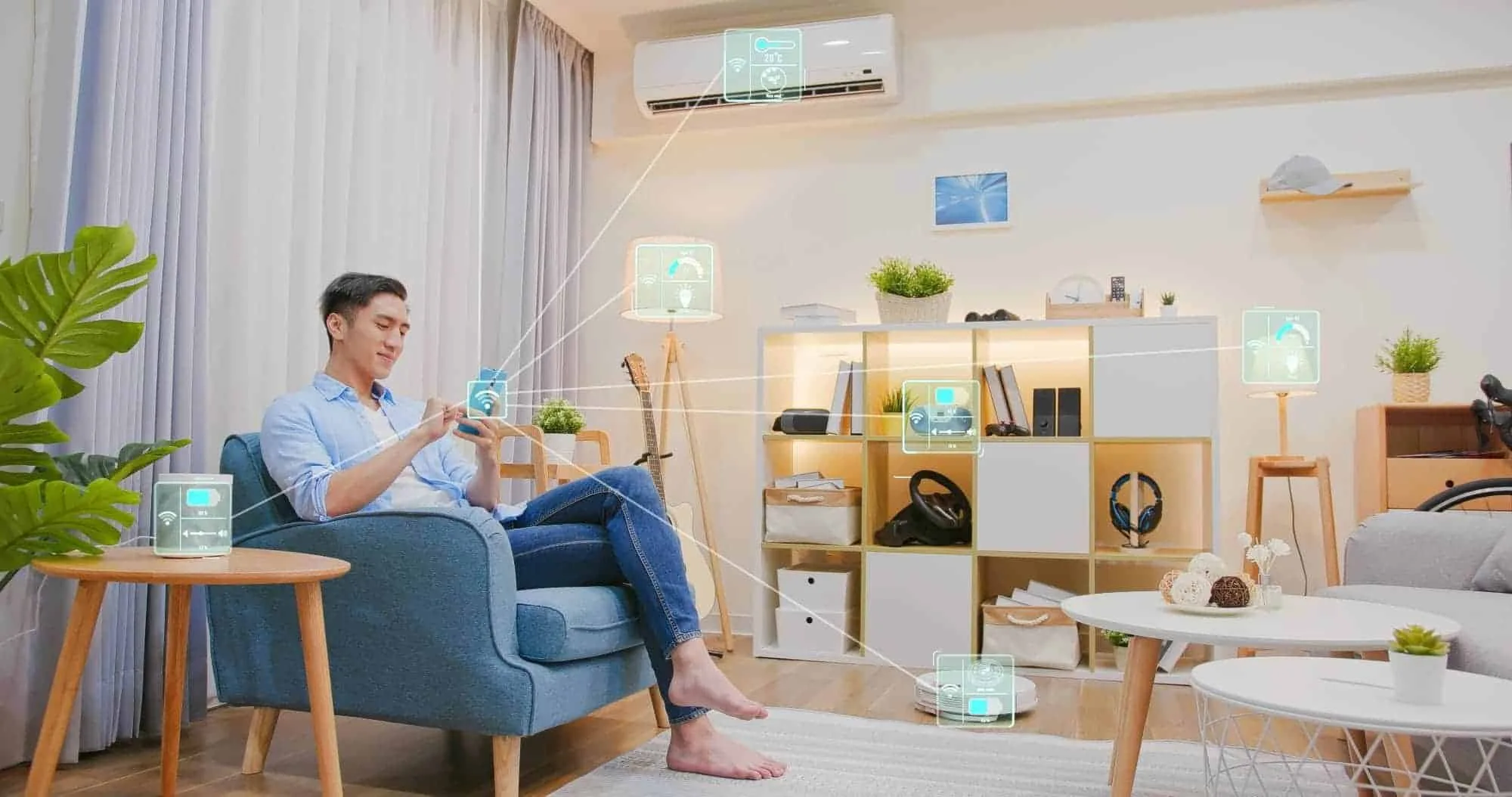
Predictive AI automation learns how you actually live. It notices you lower the temperature every night around 10 PM, so it starts doing it automatically. It tracks when sunset hits your windows and adjusts shades before glare becomes a problem. It recognizes your car’s approach and unlocks the door while turning on entry lights. You’re not programming routines—the system is learning them.
This level of automation requires professional smart home installation because it depends on integration. The system needs data from multiple sources—your thermostat, motion sensors, door locks, security cameras, and even your phone’s location. It correlates all that information to predict what you’ll want next. DIY systems can’t do this because they’re not designed to share data across platforms.
Here’s where it gets practical for Miami-Dade County and Broward County homeowners: your system learns to respond to South Florida’s weather patterns. When it detects rising humidity, it adjusts your HVAC before you feel uncomfortable. When it sees a storm approaching, it closes exterior shades and verifies all entry points are secured. When temperatures spike, it maximizes natural light in the morning while keeping shades drawn during peak heat hours. That’s not something you program—it’s intelligence built through professional integration and AI learning.
The energy savings alone justify the investment. Smart systems that optimize heating, cooling, and lighting based on your actual habits can reduce energy bills by up to thirty percent. In South Florida, where air conditioning runs constantly, that’s significant money back in your pocket every month. The system isn’t just convenient—it’s actively working to reduce waste while maintaining comfort.
A camera on your porch isn’t a security system. It’s a camera. Real security comes from integration—multiple devices working together to create layered protection that responds automatically to threats.
Professional smart security integration means your motion sensors, cameras, locks, lighting, and alarms all communicate. When a sensor detects unusual movement at 2 AM, it doesn’t just record video. It turns on exterior lights, sends alerts to your phone with live footage, and can even trigger an audible alarm. If smoke detectors sense danger, they don’t just beep—they unlock doors for emergency exit, turn on pathway lighting, send alerts, and can notify monitoring services. That coordination only happens when everything’s on the same network.
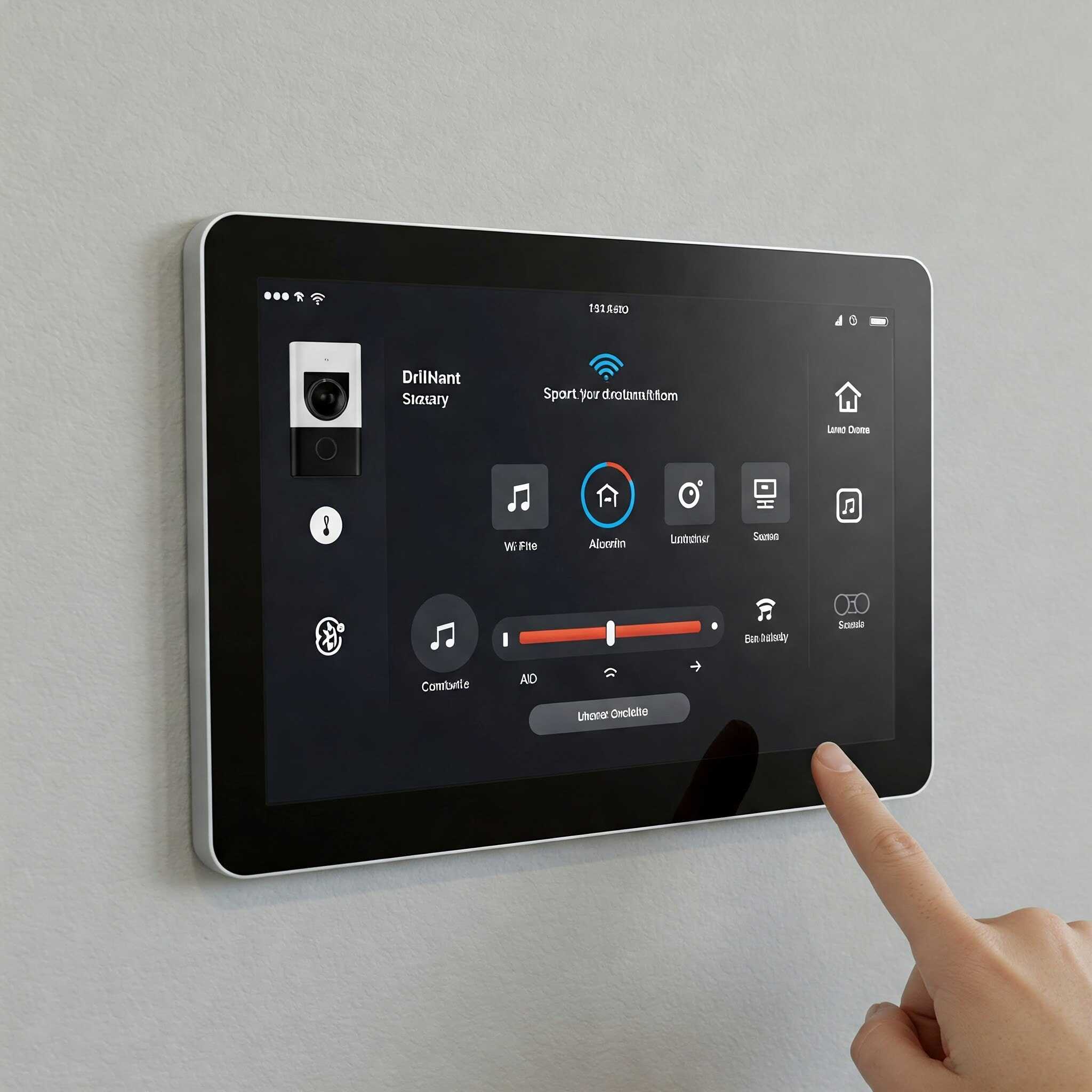
The difference becomes obvious during actual events. A DIY setup might alert you that someone’s at your door, but you’re checking one app for video, another to see if doors are locked, and a third to control lights. By the time you’ve opened three apps, the moment’s passed. Integrated systems show you everything in one interface and let you respond with one action. You see the alert, view the camera, speak through the intercom, and turn on lights—all from one screen.
For South Florida homeowners, there’s another consideration: hurricane preparedness. Professional installations can integrate storm protocols into your system. When severe weather is forecast, your system can automatically secure motorized shutters, verify all windows and doors are closed, adjust HVAC to prevent pressure issues, and even shut down non-essential electronics to prevent surge damage. You’re not scrambling through a checklist—your home is preparing itself.
Insurance companies are noticing this too. Homes equipped with professionally installed security systems often qualify for reduced premiums. The integration demonstrates you’ve taken comprehensive protective measures, not just installed a doorbell camera. Some providers offer discounts of ten to fifteen percent on homeowners insurance when you can document your integrated security system. That’s real money saved, year after year, on top of the peace of mind.
Smart home technology isn’t about gadgets. It’s about creating an environment that adapts to how you live, saves you money, and stays relevant as technology evolves. But that only happens when systems are properly integrated from the start.
A professional home automation company builds unified ecosystems, not collections of disconnected devices. We install infrastructure during your renovation when it’s cost-effective and minimally disruptive. We ensure compatibility, reliability, and support that lasts beyond installation day.
Your renovation is your opportunity to do this right. To build in the wiring, network capacity, and professional integration that makes your home genuinely intelligent. To avoid the app-juggling frustration and compatibility nightmares that come with DIY attempts.
We specialize in exactly this kind of comprehensive integration. From motorized window treatments to complete home automation systems, we bring together technology, design, and installation expertise to create homes that work the way you actually live. If you’re planning a renovation in Miami-Dade County or Broward County, now’s the time to talk about building smart from the ground up.
Article details:
Share:
Continue learning: