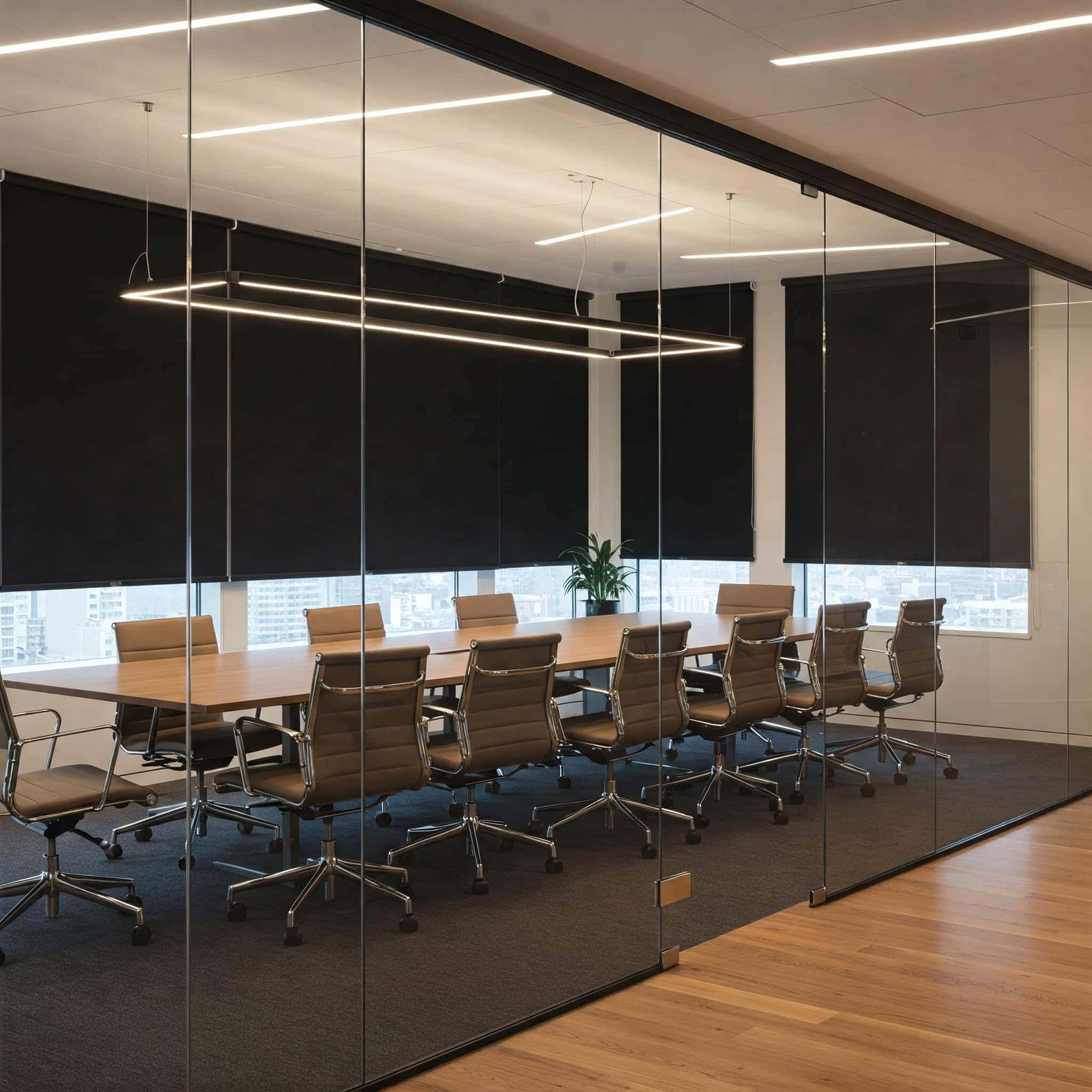
You’re not looking for window treatments because you want to redecorate. You need them because glare is making it impossible for your team to see their screens, your cooling bills keep climbing, or your conference room feels like a greenhouse by 2 PM. Finding where to actually buy office window treatments in Miami that solve these problems—not just cover windows—takes more than a quick online search.
The right supplier understands commercial needs. They know the difference between residential preferences and workplace requirements. They’ve dealt with Miami’s intense sun, humidity that warps cheaper materials, and the reality that your office can’t shut down for a week-long installation. Let’s talk about where to find suppliers who get it, what questions to ask, and how to make sure you’re buying solutions that actually work.
Not every window treatment company handles commercial projects well. Residential suppliers focus on aesthetics and personal taste. Commercial suppliers focus on durability, functionality, and whether your purchase will still be working properly in five years with daily use.
A solid commercial supplier in Miami understands that office buildings have different needs than homes. Your windows are probably larger. You need treatments that handle high-traffic areas without constant maintenance. You’re thinking about energy costs, not just whether the color matches your walls. And you need someone who can coordinate installation around your business hours, not show up whenever it’s convenient for them.
The best suppliers also understand South Florida’s climate. Materials that work perfectly in other parts of the country fail here within months. Humidity warps certain fabrics. UV exposure fades colors faster. You need a supplier who’s dealt with these issues before, not someone learning on your project.
Motorized blinds have shifted from luxury option to practical necessity for many Miami offices. When you have conference rooms with walls of windows, hard-to-reach openings, or dozens of treatments that need coordinating, automation stops being about convenience and starts being about functionality.
The process of buying motorized shades for your office starts with understanding what you’re actually trying to control. Are you managing glare during video calls? Reducing cooling costs by blocking afternoon sun? Creating privacy for conference rooms without blocking natural light all day? Different goals require different motorization approaches and control systems.
Battery-powered motorized blinds work well for retrofit situations where running new electrical lines isn’t practical. Modern rechargeable batteries can last six months or more between charges. Hardwired systems provide more reliable power for heavily-used treatments but require electrical work during installation. Your building’s infrastructure and how often treatments will operate determine which approach makes sense.
Integration with smart building systems is where motorization really pays off for commercial spaces. Systems that connect with Alexa, Google Home, Control4, or Lutron let you program schedules, create scenes for different times of day, and control multiple treatments simultaneously. A supplier experienced with commercial automation can design systems that work with your existing technology instead of requiring everything to be replaced.
Miami’s climate creates specific considerations for motorized office window treatments. Heat affects motor performance and battery life. Humidity can impact wireless signal reliability. A supplier familiar with South Florida installations knows which systems perform reliably here and which ones cause problems. We’ve dealt with the same conditions in other Miami offices and can point to actual installations, not just manufacturer specs.
Cost for motorized commercial blinds typically ranges from $500-1200 per window depending on size, fabric, and automation features. That seems expensive until you calculate energy savings from properly managing sun exposure, reduced HVAC maintenance from more stable temperatures, and the labor savings from not manually adjusting dozens of treatments daily. Most commercial clients find the investment pays for itself within 2-3 years through energy savings alone.
The buying process should include a site visit where the supplier assesses your space, discusses your goals, and recommends specific solutions. They should explain how the system operates, what happens if something needs service, and provide training for whoever will manage the system. If they’re just quoting products without understanding your situation, keep looking.
The types of window treatments that work well in Miami offices differ from what works elsewhere. Your primary concerns are managing intense sunlight, reducing cooling costs, and creating comfortable work environments. Style matters, but functionality determines whether your purchase solves problems or creates new ones.
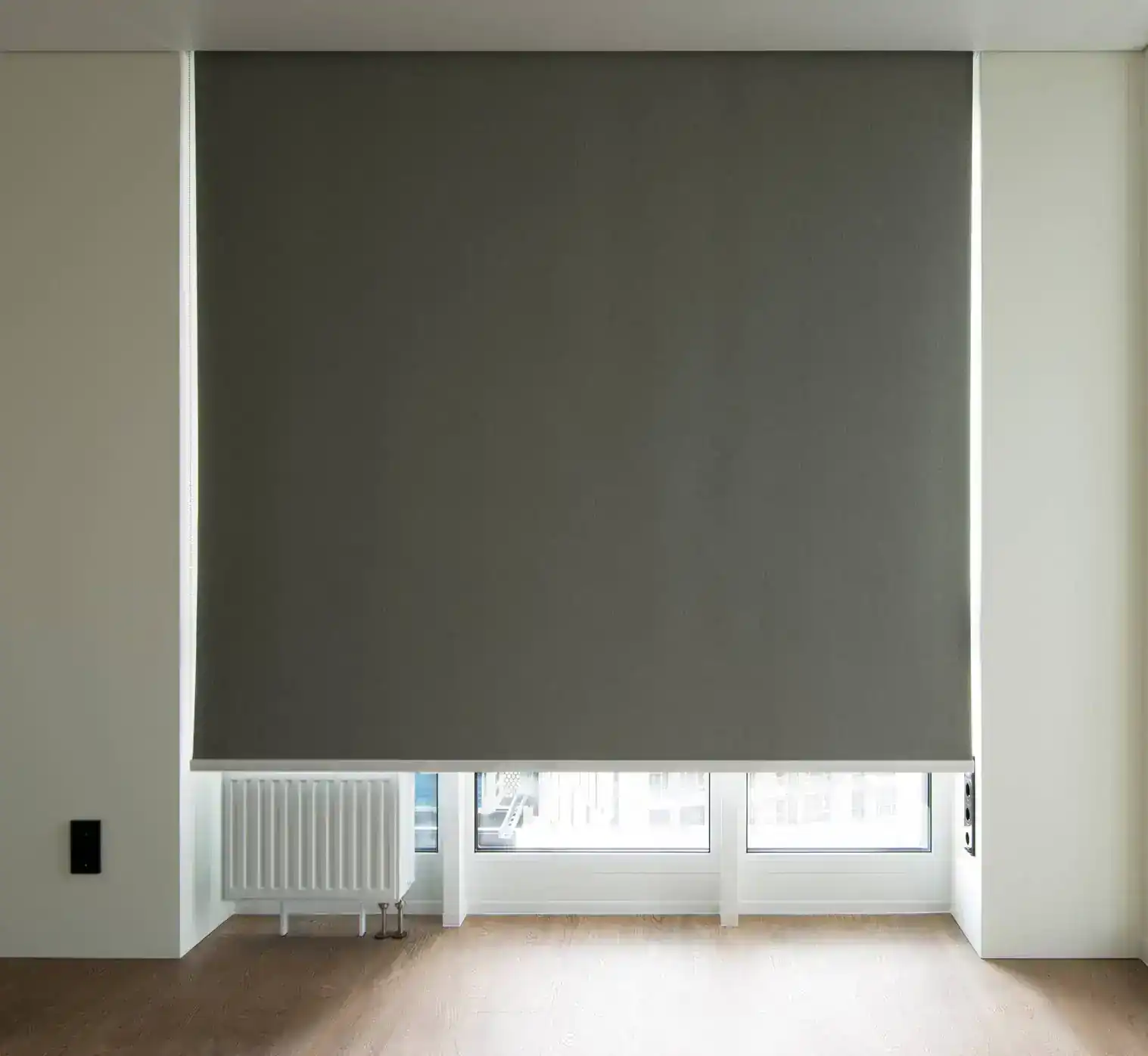
Solar shades and roller shades dominate commercial installations for good reason. They provide clean, modern aesthetics while offering excellent light control and UV protection. Openness factors range from sheer (maximum view with some sun blocking) to blackout (complete light control). Most Miami offices benefit from 3-5% openness shades that reduce glare and heat while maintaining outside views.
Motorized cellular shades create insulating air pockets that significantly reduce heat transfer through windows. In South Florida’s climate, this means blocking heat before it enters your space rather than trying to cool it down after. The energy savings can be substantial, particularly for buildings with extensive glass in areas like Brickell, Downtown Miami, or Coral Gables.
Energy efficiency is not a nice-to-have feature for Miami office window treatments—it’s the primary reason most commercial clients upgrade. Your cooling costs directly relate to how much solar heat enters through windows, and South Florida’s intense sun makes this a year-round concern, not just a summer issue.
Solar control fabrics work by reflecting and absorbing solar energy before it passes through glass. The fabric’s openness factor determines how much light and heat it blocks. Tighter weaves block more heat but reduce visibility. Looser weaves maintain views but allow more heat transfer. For most Miami offices, 3-5% openness provides the best balance—you block 95-97% of solar heat while maintaining enough transparency to see outside.
The real energy savings come from reducing your HVAC system’s workload. When windows aren’t constantly heating up your space, air conditioning runs less frequently and maintains more stable temperatures. Commercial clients typically see 20-30% reductions in cooling costs after installing proper solar shades. For a mid-sized office spending $3000-5000 monthly on cooling, that’s $600-1500 in monthly savings.
Color matters more than most people realize. Lighter-colored fabrics reflect more solar energy, which works well for west and south-facing windows that get intense afternoon sun. Darker fabrics absorb heat, which can actually increase the heat load on your space if not properly ventilated. A knowledgeable supplier helps you select colors based on window orientation, not just aesthetics.
Cellular shades add another layer of energy efficiency through their honeycomb structure. Air trapped in the cells acts as insulation, creating a barrier between window glass and your interior space. This works in both directions—blocking heat in summer and preventing heat loss during Miami’s occasional cool periods. The insulation value increases with double or triple-cell construction, though single cells usually provide sufficient performance for South Florida’s climate.
Motorization enhances energy efficiency by ensuring shades actually get used. Manual shades often stay in one position all day because adjusting dozens of them is tedious. Motorized shades can be programmed to lower automatically when sun hits specific windows, then raise again when direct sun passes. This active management of solar heat gain provides significantly better energy performance than static solutions.
The payback period for energy-efficient office window treatments in Miami typically runs 2-4 years depending on your current cooling costs and how much glass you have. After that, the savings go straight to your bottom line. For commercial spaces, this makes window treatments one of the most cost-effective energy upgrades available—better ROI than many HVAC improvements and far less disruptive to install.
Commercial drapery serves different purposes than residential curtains, and finding suppliers who understand this distinction matters. Office drapery needs to handle daily use, meet fire safety codes, coordinate with other building systems, and maintain professional appearance with minimal maintenance.
Most commercial drapery installations in Miami use motorized track systems rather than traditional rods. Motorized tracks provide smooth, reliable operation even for heavy fabrics or wide spans. They integrate with building automation systems and can be programmed to open and close on schedules. This automation is particularly valuable for conference rooms, executive offices, or lobbies where drapery serves both functional and aesthetic purposes.
Fabric selection for commercial drapery focuses on durability and maintenance rather than purely decorative concerns. Commercial-grade fabrics resist fading from UV exposure, handle humidity without developing mildew, and can be cleaned in place or removed for professional cleaning. Many commercial fabrics also meet fire safety requirements for public buildings, which residential fabrics typically don’t address.
Layering drapery with shades or blinds provides maximum flexibility for light control and privacy. Sheer drapery can soften harsh lines while solar shades behind them handle actual sun blocking. Blackout drapery paired with light-filtering shades gives you complete control over light levels throughout the day. This layered approach works particularly well for conference rooms and executive spaces where lighting needs vary based on use.
Installation for commercial drapery requires coordination with other trades and building systems. Tracks need proper structural support, especially for heavy fabrics or wide openings. Motorized systems need power, which means working with electricians. Fire safety requirements may dictate specific mounting methods or clearances. A commercial supplier experienced with office installations handles these coordination issues rather than discovering problems during installation.
Miami-specific considerations for commercial drapery include moisture resistance and UV fade resistance. Coastal humidity affects fabric performance, and some materials develop odors or mildew if not properly specified. The intense sun fades colors faster here than in most other markets. Suppliers familiar with South Florida installations recommend fabrics proven to perform in these conditions.
Cost for commercial drapery installations varies widely based on fabric choice, motorization, and installation complexity. Budget $100-300 per linear foot for quality motorized drapery including fabric, hardware, and installation. This seems expensive compared to residential drapery, but commercial installations include proper engineering, code compliance, and integration with building systems that residential projects don’t require.
The buying process should include fabric samples you can evaluate in your actual space under your lighting conditions. Colors and textures look completely different in showrooms than in your office. A good supplier brings samples to your location, discusses maintenance requirements, and provides realistic timelines that account for custom fabrication and installation coordination.
Buying office window treatments in Miami comes down to finding a supplier who understands commercial needs and local climate challenges. You need someone who’s dealt with South Florida’s sun, humidity, and hurricane concerns before—not someone learning on your project.
The right supplier asks about your actual problems before recommending products. They want to know about glare issues, energy costs, how you use different spaces, and what’s not working with your current setup. They’re thinking about solutions, not just making sales.
Look for suppliers with commercial project experience, local installations you can reference, and comprehensive service that includes measurement, installation, and ongoing support. The cheapest option rarely delivers the best value when you factor in performance, longevity, and whether the treatments actually solve your problems.
We bring comprehensive design expertise to commercial office projects throughout Miami-Dade and Broward County. With decades of experience from our NYC and Toronto operations, plus deep understanding of Miami’s unique climate challenges, we handle everything from initial consultation through installation and service. Whether you need motorized shades for a corporate office or complete window treatment solutions for a commercial building, our team delivers results that work.