Facebook Pixel PageView

Where to Find Custom Window Treatment Designers in Miami: Expert Help for Your Project

Finding the right window treatment designer in Miami means more than picking pretty fabrics. You need someone who understands condo regulations, Miami's climate, and smart automation.

Share:
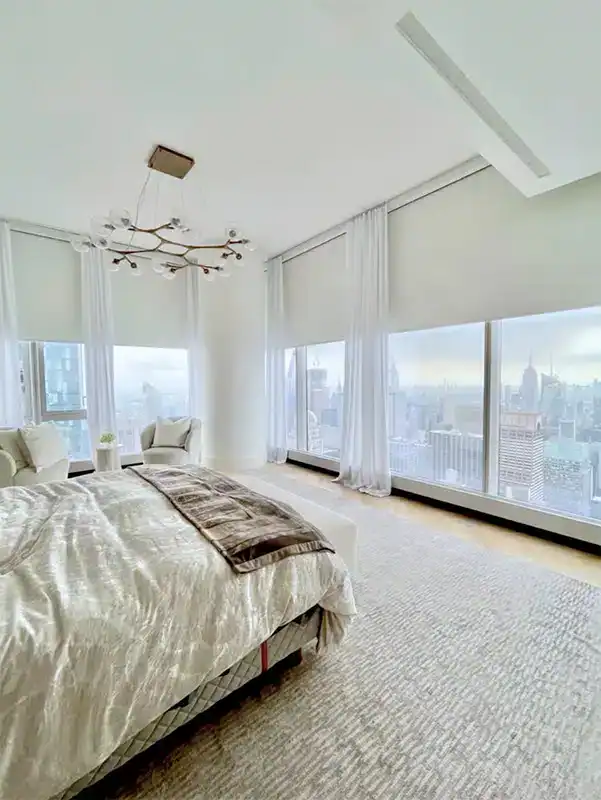
A modern, bright bedroom by a top home design company Miami-Dade & Broward County features floor-to-ceiling windows with city skyline views, a bed with light bedding, two armchairs, and an elegant chandelier on the ceiling.

Summary:

Miami’s window treatment market is crowded, but finding a designer who actually understands your project is harder than it looks. Whether you’re dealing with floor-to-ceiling condo windows, HOA requirements, or just want motorized solutions that work, the right designer makes all the difference. This guide breaks down where to find qualified window treatment designers in Miami, FL, what to look for in a professional, and how to avoid the common mistakes that cost time and money. You’ll learn what separates experienced designers from order-takers and why that matters for your specific space.
Table of contents
You’ve got a vision for your Miami space, but turning that into reality means finding someone who actually knows what they’re doing. Not just someone who can hang blinds, but a window treatment designer who understands how Miami’s sun hits your condo at 3 PM, what your HOA will actually approve, and why motorization isn’t just a nice-to-have when you’re dealing with 12-foot windows. The challenge isn’t finding companies that sell window treatments. It’s finding designers who can solve your specific problems. Let’s talk about where to look and what actually matters when you’re choosing someone to work with.

What Makes a Window Treatment Designer Different from a Salesperson

Walk into most showrooms and you’ll meet someone ready to show you fabric samples. That’s not the same as working with a designer. A real window treatment designer in Miami brings something different to the table. We start by understanding your space, not pushing products. How does light move through your rooms? What are you trying to solve – glare, privacy, energy costs? Do you have building restrictions to work around? Good designers know Miami’s climate will destroy certain materials. We understand that floor-to-ceiling glass in a Brickell high-rise needs different solutions than a Coral Gables single-family home. We’ve installed enough projects to know what actually works, not just what looks good in a catalog.
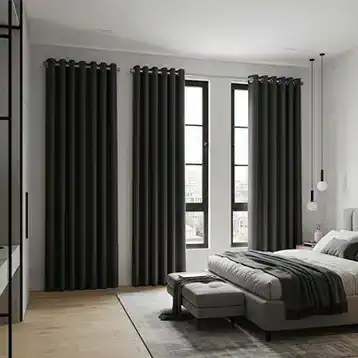
Modern bedroom with large windows covered by dark curtains, a neatly made bed with gray bedding, a small bench at the foot of the bed, pendant lights, and light wood flooring.

Finding Window Treatment Designers for Condo and Apartment Projects in Miami

Condo projects come with their own set of headaches. Your building probably has rules about exterior appearance. You might need board approval before you can move forward. And those massive windows that sold you on the place? They’re a pain to cover properly. This is where experience matters. A designer who specializes in Miami condos knows how to navigate HOA requirements before you waste time on options that won’t get approved. We understand that limited wall space means you need slim-profile solutions that don’t eat up your room. We’ve figured out how to handle floor-to-ceiling glass without blocking your view or your balcony access. Look for designers who can show you completed condo projects in Miami. Ask about HOA compliance – if they seem confused by the question, keep looking. Find out if they’re comfortable working with building management and scheduling installations around condo regulations. Motorization becomes less of a luxury and more of a necessity when you’re dealing with high-rise windows. A good designer will explain why battery-powered systems might work better than hardwired in your situation, or how smart home integration can tie your shades into your existing automation setup. We can talk through options like Somfy, Lutron, or Hunter Douglas PowerView without reading off a brochure. The best condo specialists also understand Miami’s unique challenges. Your south-facing windows are getting hammered by UV all day. That gorgeous ocean view comes with intense glare. Your AC is working overtime because heat is pouring through untreated glass. A designer worth hiring will address these issues upfront, not as an afterthought.

Where to Actually Find Qualified Window Covering Designers in Miami, FL

So where do you start looking? The obvious answer is online search, but that only gets you names. You need to dig deeper to find designers who can actually deliver. Start with companies that have a physical presence in Miami. A showroom in Miami-Dade or Broward County means they’re invested in the local market and understand regional requirements. They’re not trying to apply generic solutions to Miami-specific problems. Check if they offer in-home consultations. This matters more than you’d think. A designer who’s willing to come to your space with samples can see what you’re dealing with firsthand. We can assess your lighting situation, measure your windows properly, and spot potential installation challenges before they become expensive problems. Look at their service range. Companies that only do window treatments might be fine if that’s all you need. But if you’re planning broader renovations or want to integrate smart home features, working with a comprehensive design group saves you from coordinating multiple contractors. You want someone who can handle window treatments, automation, and design services without passing you off to three different teams. Experience with Miami’s climate is non-negotiable. Ask potential designers how they address heat gain, UV protection, and humidity resistance. If they can’t give you specific answers about materials that hold up in South Florida, that’s a red flag. This isn’t Seattle or Chicago – Miami’s environment is brutal on window treatments, and your designer needs to know which products will last. Brand partnerships tell you something about a company’s standards. Designers who work with premium manufacturers like Hunter Douglas, Somfy, or Lutron have access to better products and technical support. We stay current on innovations like energy-efficient cellular shades or advanced motorization systems. Don’t ignore the basics like licensing and insurance. In Miami-Dade and Broward Counties, proper credentials matter. A legitimate designer should have no problem providing proof of insurance and any required licenses. If they dodge these questions, walk away.

Want live answers?

Connect with a Miami Design Group expert for fast, friendly support.

How to Evaluate Window Treatment Design Services Before You Commit

You’ve found a few potential designers. Now comes the part where you figure out who’s actually worth hiring. This isn’t about finding the cheapest option – it’s about finding someone who won’t waste your time or money. Start with their consultation process. A good designer asks more questions than they answer at first. We want to understand your lifestyle, your priorities, and your budget before we start suggesting solutions. If someone’s pitching products five minutes into the conversation, that’s a warning sign. Pay attention to how they explain options. Can they break down the differences between roller shades and cellular shades in terms that actually matter to you? Do they explain why motorization might be worth the investment for your specific windows? Or are they just reciting features from a spec sheet?
A modern living room with large windows covered by sheer white curtains, a white sofa, two beige armchairs, a light wood coffee table with decor items, and a neutral rug on the floor.

Questions to Ask Your Window Treatment Designer During Consultation

Come prepared with specific questions. These will tell you quickly whether you’re dealing with an expert or someone who’s winging it. Ask about their experience with projects like yours. If you’re in a condo, have they worked with your building or similar properties? Can they show you photos of completed installations? How do they handle HOA approval processes? Get specific about Miami challenges. How do they address solar heat gain in south-facing rooms? What materials do they recommend for humidity resistance? How do their solutions perform in Florida’s intense UV environment? Vague answers here mean they’re not thinking about your actual needs. Talk timeline and process. How long from consultation to installation? What’s involved in custom fabrication? Who handles the installation, and what’s their experience level? A professional designer should be able to walk you through every step without hesitation. Discuss smart home integration if that’s on your radar. Can they work with your existing automation system? What brands do they typically specify for motorization? How do they handle programming and troubleshooting? If they seem uncertain about technology integration, that’s a problem in 2026. Don’t skip the boring but important stuff. What’s their warranty policy? How do they handle issues after installation? Do they offer maintenance services? What happens if something breaks in six months? Clear answers here save headaches later.

Red Flags That Mean You Should Keep Looking for a Different Designer

Some warning signs should send you looking elsewhere immediately. Pressure tactics top the list. If a designer is pushing you to make decisions during the first meeting or offering “today only” pricing, that’s not how professionals operate. Watch out for designers who can’t or won’t provide references. Anyone who’s been doing quality work in Miami should have satisfied clients willing to vouch for them. If they make excuses about privacy or confidentiality, that’s suspicious. Be cautious if they’re pushing a single brand or product line without explaining why it’s right for your situation. Good designers have access to multiple manufacturers and choose based on your needs, not their inventory or commission structure. Unclear pricing is another red flag. You don’t need a final number in the first meeting, but a professional should be able to give you a realistic range based on similar projects. If they’re vague about costs or reluctant to put estimates in writing, something’s off. Pay attention to communication style. Do they return calls and emails promptly? Are they clear about next steps? Do they follow through on what they promise? Poor communication during the sales process only gets worse after you’ve signed a contract. Finally, trust your gut about their understanding of your project. If a designer seems confused by your condo’s regulations, uncertain about handling your window sizes, or unfamiliar with the products you’re asking about, they’re probably not the right fit. You need someone who’s done this before and knows how to navigate the challenges specific to Miami properties.

Getting Started with the Right Window Treatment Designer in Miami, FL

Finding a window treatment designer in Miami who actually understands your project doesn’t have to be complicated. Focus on experience with Miami’s climate, condo expertise if that’s relevant to you, and a design approach that starts with your needs rather than their products. The right designer brings more than fabric samples to your consultation. We bring solutions to problems you might not have even identified yet – from HOA compliance to energy efficiency to smart home integration. We make the process straightforward instead of overwhelming. If you’re ready to work with a team that combines 15 years of design expertise with deep knowledge of Miami’s unique requirements, we handle everything from window treatments to home automation and complete interior design. We understand what it takes to create functional, beautiful spaces in South Florida’s demanding environment.

Article details:

Share: