Weighing motorized shades against manual options? Miami's climate demands smart window solutions that balance upfront costs with long-term energy savings and convenience.
Share:
Summary:
Manual shades typically cost around $150 per window including installation, while motorized options run approximately $900 per window. That’s a significant upfront difference that stops many homeowners in their tracks.
But cost isn’t just about the initial price tag. In Florida, quality motorized shades range from $700 to $2,000 per window depending on size and features. The premium covers the motor system, smart controls, and professional programming that manual shades simply can’t provide.
The investment becomes clearer when you factor in Miami’s unique demands. Your windows aren’t just dealing with typical sunlight—they’re battling year-round intensity that drives up cooling costs and fades interiors faster than in most climates.
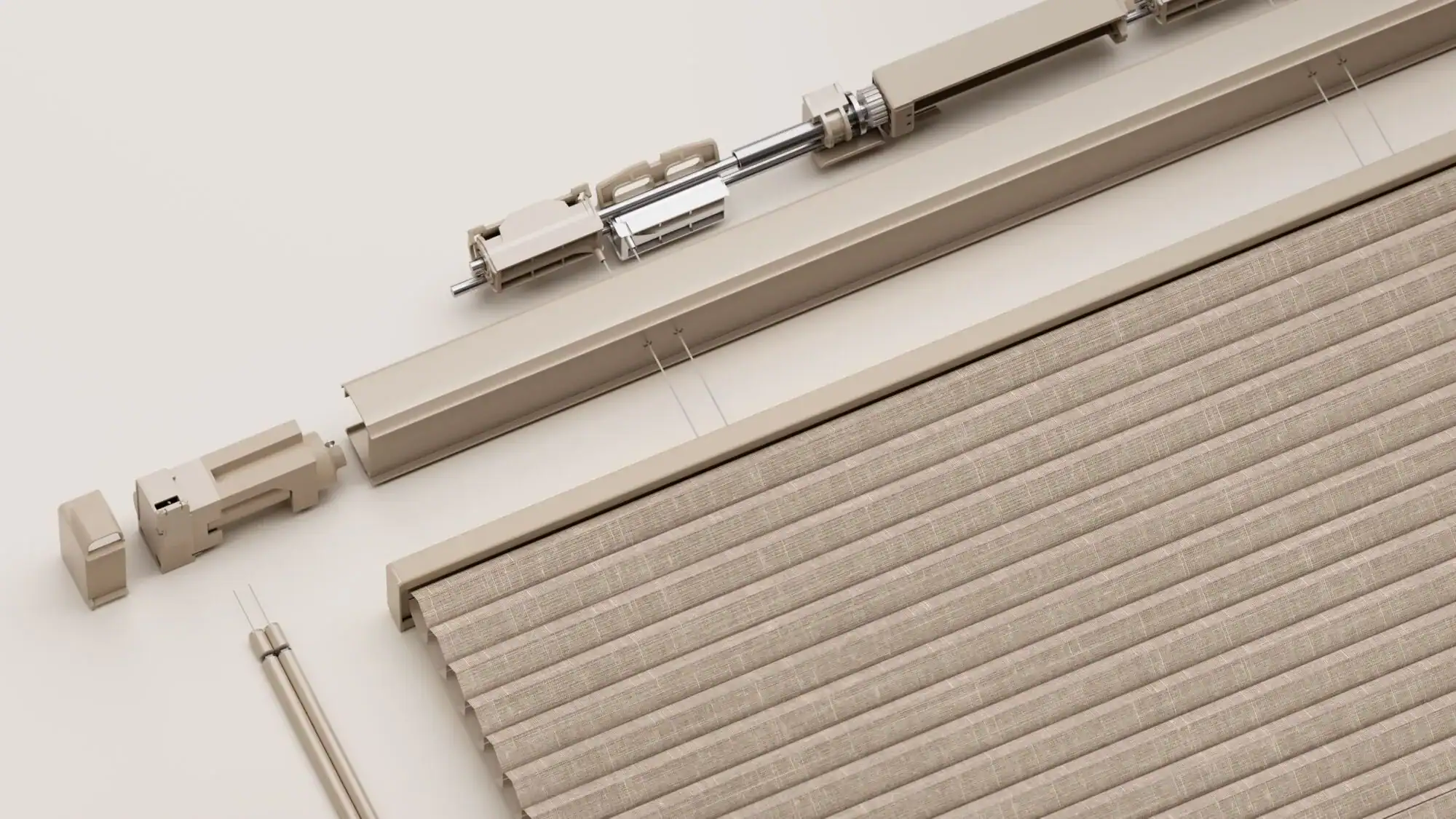
The motorized version uses the same fabric as manual shades, but adds the motor system, which typically ranges from $50 to $85 for a standard motor, plus remote and power source. You’re not paying more for the shade itself—you’re investing in automation technology.
Several factors affect your total investment. Power source choices impact pricing, with hard-wired systems requiring electrical installation and antennas, while battery-powered options are easier to install but may cost similar amounts. Professional installation adds $100-200 per window but ensures proper integration with your home’s systems.
Smart home integration features push costs higher. Wall-mounted control panels cost $80-150, smartphone app control adds $100-200, and smart home hub integration ranges $150-300. These aren’t just bells and whistles in Miami—they’re practical features that let you respond quickly to changing weather conditions.
Lutron systems typically range from $300-800 per window depending on size, fabric, and automation features, with most Miami homeowners seeing immediate benefits in energy savings and convenience, especially on south and west-facing windows that get intense afternoon sun. The systems often pay for themselves through reduced cooling costs.
Quality matters in Miami’s challenging environment. Lutron engineers their systems specifically for challenging climates like South Florida, with motors sealed against moisture and salt air, and fabric options including marine-grade materials that resist fading, mildew, and deterioration. You’re paying for durability that manual systems can’t match.
The motorized version uses the same fabric as manual shades, but adds the motor system, which typically ranges from $50 to $85 for a standard motor, plus remote and power source. You’re not paying more for the shade itself—you’re investing in automation technology.
Several factors affect your total investment. Power source choices impact pricing, with hard-wired systems requiring electrical installation and antennas, while battery-powered options are easier to install but may cost similar amounts. Professional installation adds $100-200 per window but ensures proper integration with your home’s systems.
Smart home integration features push costs higher. Wall-mounted control panels cost $80-150, smartphone app control adds $100-200, and smart home hub integration ranges $150-300. These aren’t just bells and whistles in Miami—they’re practical features that let you respond quickly to changing weather conditions.
Lutron systems typically range from $300-800 per window depending on size, fabric, and automation features, with most Miami homeowners seeing immediate benefits in energy savings and convenience, especially on south and west-facing windows that get intense afternoon sun. The systems often pay for themselves through reduced cooling costs.
Quality matters in Miami’s challenging environment. Lutron engineers their systems specifically for challenging climates like South Florida, with motors sealed against moisture and salt air, and fabric options including marine-grade materials that resist fading, mildew, and deterioration. You’re paying for durability that manual systems can’t match.
Want live answers?
Connect with a Miami Design Group expert for fast, friendly support.
When programmed to optimize natural light and insulation, motorized blinds can provide 10-15% energy savings, potentially reducing energy bills by $100-200 annually in larger homes. In Miami’s climate, these savings compound quickly.
Program schedules that automatically close blinds during peak sun hours can reduce cooling costs by 10-25%, with energy savings typically offsetting the upgrade cost within 2-3 years. The convenience lasts decades while the savings continue.
The value extends beyond energy bills. Homes with motorized blinds appeal more to modern buyers, increasing resale potential. You’re not just buying window treatments—you’re making a strategic home improvement that pays dividends.
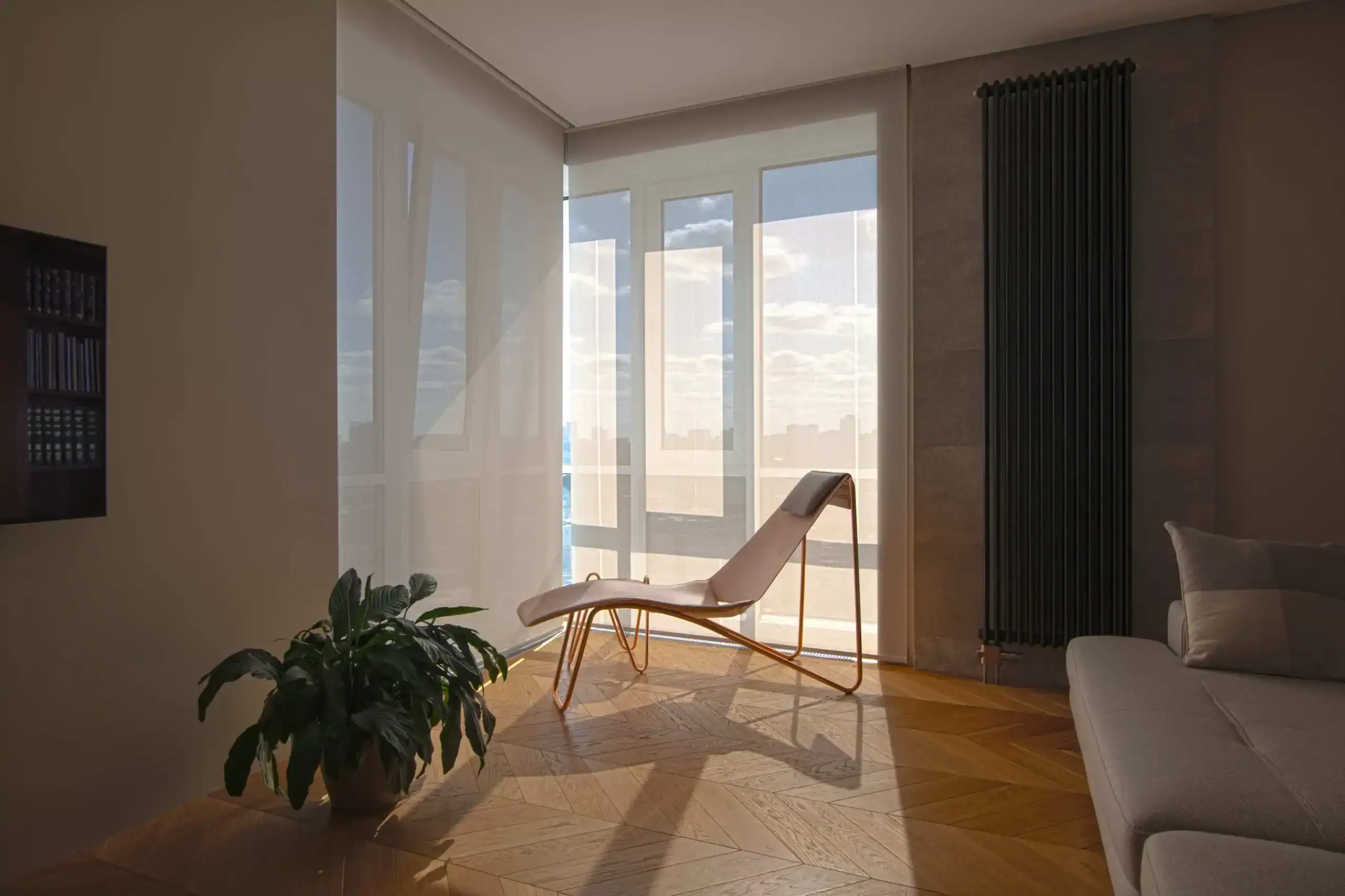
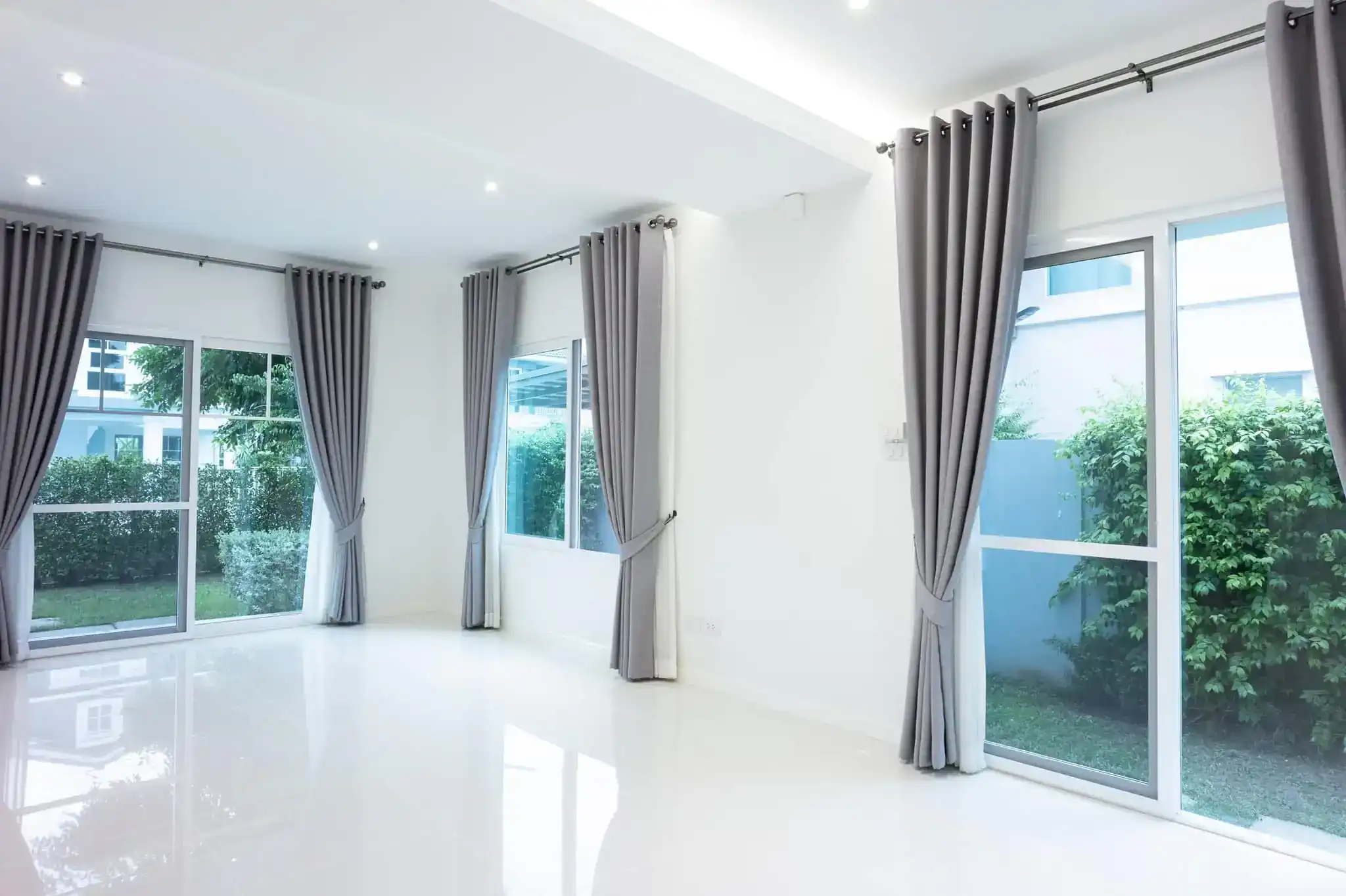
In sunny Miami, uncontrolled sunlight streaming through windows can dramatically increase indoor temperatures, forcing air conditioning systems to work much harder. Automated shades can be programmed to lower during the hottest parts of the day or when direct sunlight is most intense, effectively acting as a dynamic barrier against solar heat gain.
You’re dealing with intense sun that can account for up to 40% of your cooling costs. These systems let you control light and heat with a button press or voice command, with shades automatically closing during peak sun hours, reducing strain on your AC system. The technology integrates with smart home platforms like Alexa and Google Home.
Properly installed window treatments typically reduce cooling costs by 15-25% during Florida’s peak summer months by blocking solar heat gain before it enters your home. Cellular shades and exterior treatments provide the best energy performance, with motorized options maximizing savings through automatic adjustment throughout the day based on sun position. Most clients see the difference in their first utility bill, with the investment paying for itself within 2-3 years through energy savings alone.
The automation aspect is crucial. You can program different rooms for different schedules—east-facing bedroom windows might close automatically after sunrise to keep the room cool for sleeping, while west-facing living room shades adjust throughout the afternoon to prevent glare. This level of optimization is impossible with manual systems.
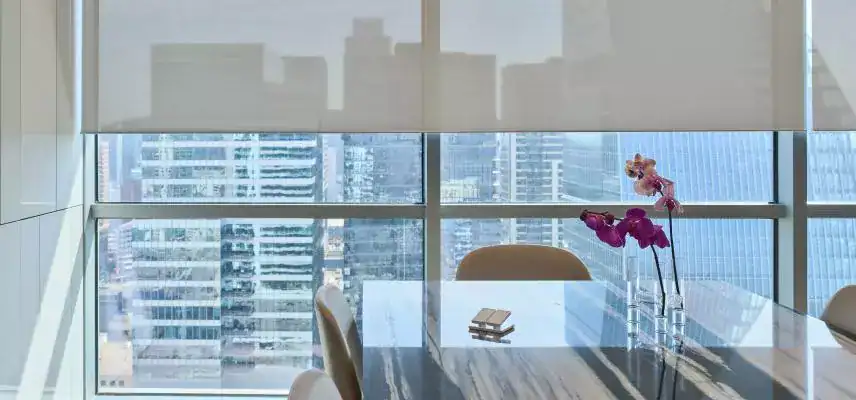
Smart sensors take efficiency further. Motorized shades equipped with solar-responsive fabrics can automatically adjust based on exterior light sensors. When the sun hits peak intensity, your shades respond without you lifting a finger, protecting furniture from UV damage and keeping cooling costs manageable.
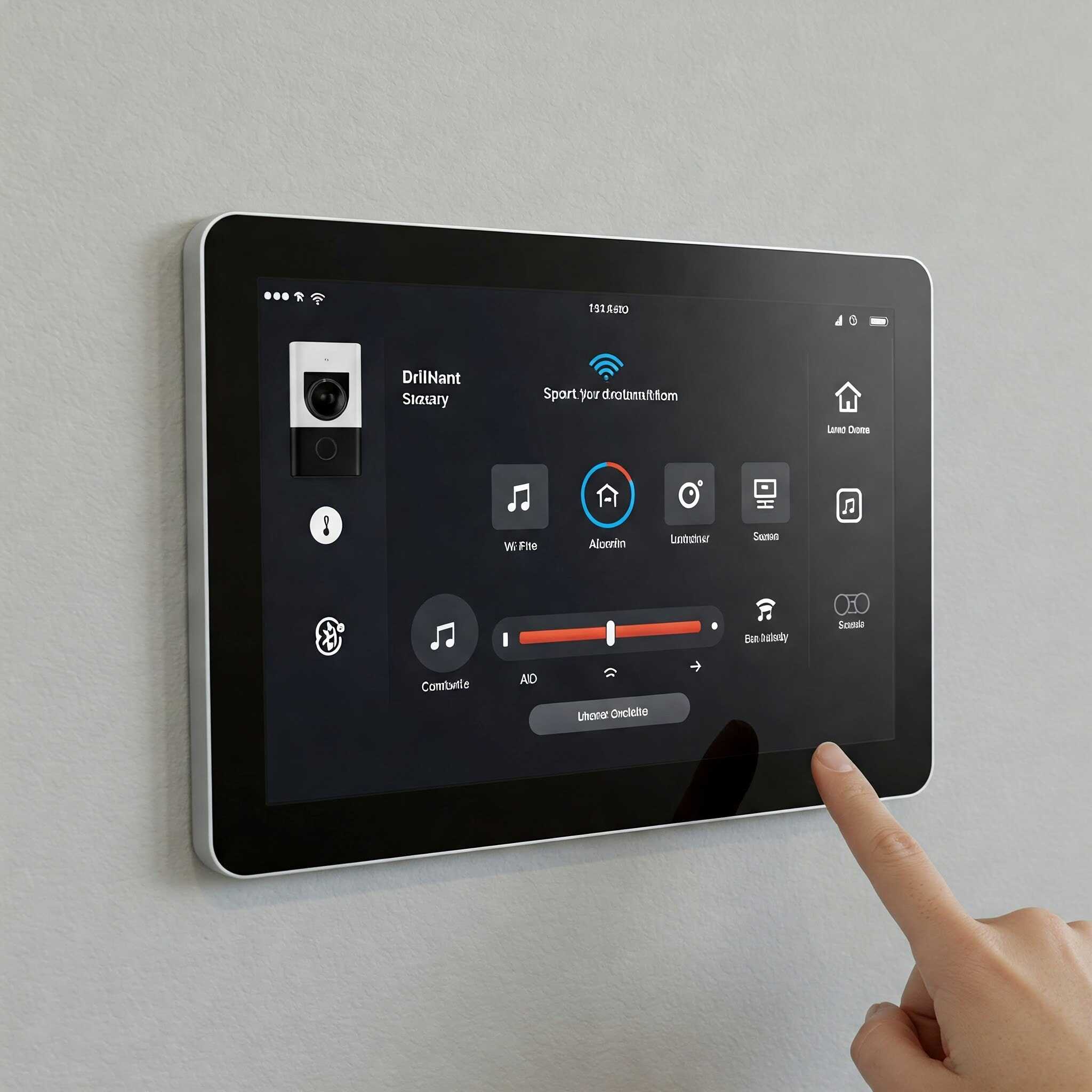
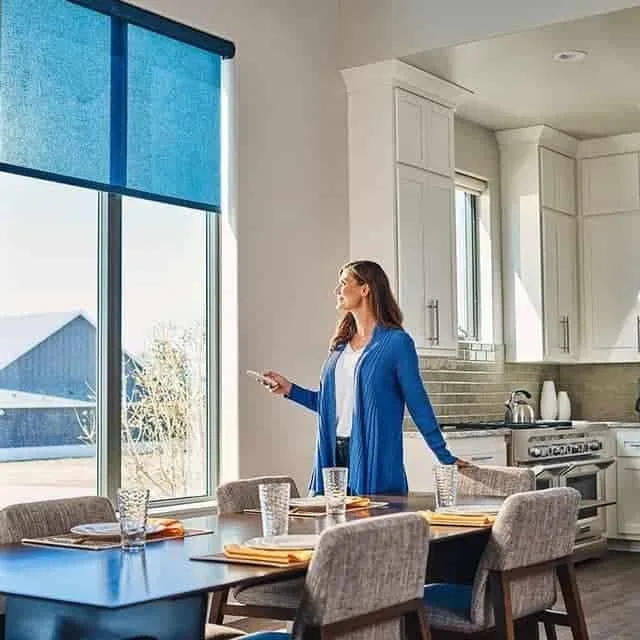
Motorized shades offer unparalleled convenience and automation, allowing you to control window coverings with just the touch of a button or voice commands, making it effortless to manage natural light and privacy throughout the day. This automation is particularly beneficial for hard-to-reach windows or large windows that may be difficult to operate manually.
Lutron systems integrate seamlessly with all major smart home platforms including Alexa, Google Assistant, Apple HomeKit, and Samsung SmartThings. You can control individual shades or entire rooms with voice commands, smartphone apps, or automated schedules, which is particularly useful in Miami where you might want shades to automatically close during peak sun hours or open when you arrive home.
The safety benefits matter for Miami families. Cordless design eliminates hazards, making them a safer option for families. The return on investment includes enhanced child and pet safety, eliminating cords that pose critical safety risks for projects like schools, daycares, or family-focused housing.
Hurricane preparedness becomes effortless. Integration with weather sensors can protect your home during sudden storms. When you’re at work and a storm approaches, you can secure your windows remotely instead of rushing home or leaving them vulnerable.
Motorized shades offer flexibility for custom window treatments, with removing sun glare and gaining privacy requiring only the tap of a button, and the ability to raise and lower each shade independently or sync them together to quickly adjust lighting in bedrooms or living areas. You control your environment with precision that manual systems can’t match.
The integration extends to security systems. Advanced setups can automatically lower shades if security breaches are detected, preventing visual access while triggering other protective measures. This level of coordination transforms your window treatments from simple coverings into active home protection elements.
Over five years, manual and motorized systems often end up closer in cost than you’d think, with maintenance, efficiency, and convenience all playing a big part in what you actually get for your money. The decision isn’t just about upfront costs—it’s about long-term value in Miami’s demanding climate.
Motorized shades are worth the cost for many projects, with return on investment coming from tangible energy savings, increased property value, superior convenience, and enhanced safety. In Miami’s intense sun and luxury lifestyle environment, these benefits compound daily.
The smart choice depends on your priorities and timeline. If you’re planning to stay in your home long-term and value convenience, energy efficiency, and modern integration, motorized systems deliver measurable returns. For immediate budget relief or rental properties, manual systems still provide basic functionality. We can help you evaluate your specific situation and find the solution that maximizes both comfort and value for your unique needs.
Article details:
Share:
Continue learning: