
Hear from Our Customers
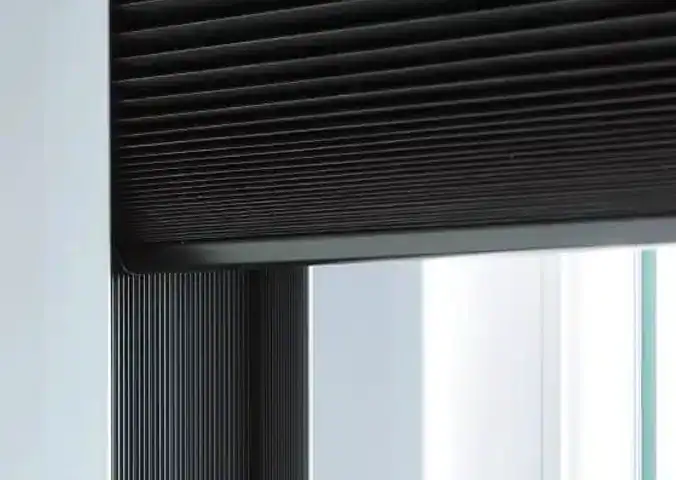
Your AC stops running constantly. That’s the first thing most homeowners notice after installing energy-efficient cellular shades—the compressor cycles less, and the monthly bill drops.
The second thing? Your furniture stops fading in weird patches. Hunter Douglas shades block up to 99% of UV rays, which means your couch, hardwood floors, and artwork stay vibrant instead of bleaching out in Florida’s relentless sun.
You also get your privacy back without living in a cave. The right window shades let you control light and visibility independently—so you can enjoy natural light during the day without giving your neighbors a full view of your living room. And if you go with motorized options, you’re adjusting everything from your phone or voice assistant. No cords dangling. No climbing on furniture to reach high windows. Just clean, simple control that fits how you actually live.
We’re a certified Hunter Douglas dealer serving Country Club Isles and the surrounding Hallandale Beach area. We’re not a franchise or a big-box store—we’re a local team that handles your project from start to finish, no subcontractors involved.
We also run NY City Blinds and Toronto Window Treatments, so we’ve been doing this long enough to know what works in humid, high-UV climates like South Florida. We understand the specific challenges here: salt air that corrodes cheap hardware, humidity that warps inferior materials, and sun exposure that destroys anything not built to last.
When you work with us, you’re getting someone who shows up on time, measures accurately, and installs it right the first time. And if something needs adjusting after installation, you’re calling the same people who did the work—not a customer service line three states away.
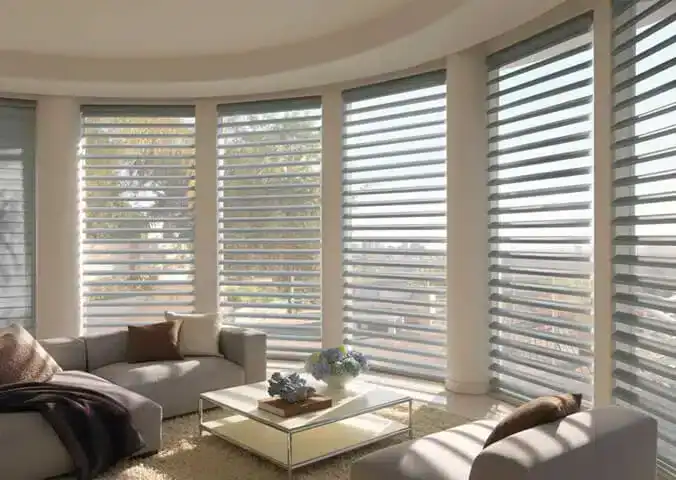
You reach out, and we schedule a free in-home consultation at a time that works for you. We come to your house in Country Club Isles, look at your windows, talk about what’s not working with your current setup, and show you samples of different Hunter Douglas shades so you can see the materials and operation in person.
We take precise measurements because even an eighth of an inch matters when you’re dealing with custom window treatments. Then we walk you through options—cellular shades for energy efficiency, roller shades for clean modern lines, or motorized solutions if you want smart home integration. We’ll tell you what makes sense for your specific windows and budget, and we won’t upsell you on features you don’t need.
Once you approve the quote, we order your custom shades directly from Hunter Douglas. Manufacturing typically takes two to four weeks depending on the product and any motorization options. When everything arrives, we schedule installation and handle the entire job ourselves—mounting brackets, leveling each shade, programming motorization if applicable, and making sure everything operates smoothly before we leave. You’re not dealing with a different crew at each stage. Same people, same accountability, from consultation to final walkthrough.
Ready to get started?
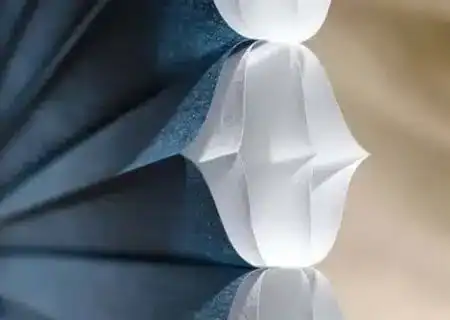
Hunter Douglas shades aren’t just fabric on a tube. The cellular designs trap air in honeycomb pockets, creating an insulation barrier that keeps conditioned air inside your home. In Country Club Isles, where your AC runs eight months a year, that insulation translates directly into lower electric bills—typically 15-25% savings on cooling costs.
The UV protection is engineered into the fabric itself, not just a coating that wears off. You’re blocking 99% of harmful rays that fade furniture, bleach out curtains, and damage wood finishes. This matters in Florida, where sun intensity is significantly higher than northern climates and UV exposure happens year-round, not just in summer.
If you choose motorized shades with PowerView technology, you’re getting full smart home integration. That means voice control through Alexa or Google Home, scheduled automation so your shades open with sunrise and close at peak heat, and remote operation from anywhere. You can adjust your shades from the office if you forgot to close them, or program different settings for weekdays versus weekends. The system learns your preferences and can even adjust based on the sun’s position throughout the day. And because we handle the programming during installation, it’s ready to use immediately—not something you have to figure out yourself from a confusing app.
Pricing depends on the specific product line, window size, and whether you add motorization. A standard cellular shade for a typical window starts around $300-400 installed. Motorized versions run $600-900 per window depending on the system you choose.
Larger windows or specialty shapes cost more because they require custom engineering and heavier-duty hardware to support the weight. If you’re covering a wall of sliding glass doors or floor-to-ceiling windows—common in Country Club Isles homes—you’re looking at $1,200-2,000+ per opening for motorized solutions.
That’s not cheap, but you’re paying for materials that survive Florida’s climate and mechanisms that won’t fail in two years. Hunter Douglas backs their products with a limited lifetime warranty on most components, and motorization is covered for five years. Cheaper alternatives might save you money upfront, but you’ll replace them sooner and deal with more service calls. We’ve seen plenty of big-box store blinds that warped, faded, or stopped operating within 18 months in this humidity.
Cellular shades are specifically designed for insulation. They have a honeycomb structure that traps air in pockets, creating a thermal barrier between your window and your room. That trapped air slows heat transfer, which means less heat entering during summer and less escaping during winter. For energy efficiency, cellular shades are the top performer—especially the double-cell versions with two layers of honeycomb fabric.
Roller shades are simpler—a single piece of fabric that rolls up and down. They don’t have the air-trapping structure of cellular shades, so they provide less insulation. But they’re not useless for energy control. Hunter Douglas roller shades come in solar fabrics that block UV rays and reduce heat gain while still allowing you to see outside. They’re better for rooms where you want to maintain a view or need a sleeker, more modern look.
If your main goal is lowering your electric bill in Country Club Isles, go with cellular shades in the rooms that get the most sun exposure—typically south and west-facing windows. You can use roller shades in other areas where aesthetics matter more than maximum energy savings. We’ll walk you through the trade-offs during your consultation based on which windows get hit hardest by afternoon sun.
Yes, if you have PowerView motorization. It integrates directly with Amazon Alexa, Google Assistant, Apple HomeKit, and most major smart home platforms. You can control your shades with voice commands, add them to existing automation routines, or operate them through the PowerView app.
The integration is native, not some clunky workaround. You’re not dealing with multiple apps or compatibility issues. Once we program the system during installation, you just say “Alexa, close the living room shades” and it happens. You can also create scenes—like “Good Morning” that opens all your shades at 7 AM, or “Movie Time” that closes the family room shades and dims the lights simultaneously.
If you don’t have a smart home system yet, PowerView works standalone through its own app and remote control. You can add voice control later when you’re ready. The system is designed to be flexible—it grows with your home automation setup instead of locking you into one ecosystem. And because everything runs on a rechargeable lithium-ion battery or hardwired power supply, you’re not constantly replacing batteries like you would with cheaper motorized options.
For most homes in Country Club Isles, installation takes half a day to a full day depending on how many windows you’re covering. A typical house with 8-12 windows usually takes four to six hours. Larger homes with 20+ windows or complex motorization might take a full day or require us to split the work across two visits.
The actual mounting process for each shade is quick—usually 15-30 minutes per window. What takes time is making sure everything is level, properly aligned, and operating smoothly. With motorized shades, we’re also programming each one into your PowerView system, setting up scenes, and teaching you how to use the controls. We don’t rush that part because the last thing you want is to be confused about how to operate your new shades after we leave.
We schedule installation only after your custom shades arrive from Hunter Douglas, which typically takes two to four weeks from order date. We’ll give you a specific timeline when you place your order, and we’ll confirm the installation appointment a few days before we show up. You don’t need to do anything to prepare—we bring all tools and equipment, and we clean up completely when we’re done. Just make sure someone’s home to let us in and available to ask questions during the final walkthrough.
Yes, but only if you choose the right materials. Hunter Douglas engineers their products specifically for different climates, and they have multiple fabric and component options designed for high-humidity coastal environments like Country Club Isles.
The key is avoiding materials that absorb moisture. Wood blinds, for example, will warp in Florida unless you go with composite alternatives like faux wood. Fabric shades need to be made from synthetic materials that resist mold and mildew—natural fibers don’t last here. The hardware and mounting brackets should be corrosion-resistant, especially if you’re near the Intracoastal or ocean where salt air accelerates rust.
Hunter Douglas uses aluminum headrails, stainless steel components in coastal-rated products, and moisture-resistant fabrics across most of their shade lines. Their cellular shades use spunlace polyester that won’t break down in humidity. Roller shades come in PVC-free fabrics that resist mold growth. And all the internal mechanisms are sealed to prevent moisture infiltration that would cause jamming or premature wear.
We’ve installed hundreds of Hunter Douglas shades in South Florida, and the failure rate from climate damage is extremely low compared to cheaper brands. The products that do fail are almost always from customers who bought the wrong material for their specific environment—like installing fabric Roman shades in a bathroom with poor ventilation. During your consultation, we’ll recommend materials based on each room’s exposure to humidity, direct sun, and salt air so you’re not replacing shades in three years.
We can discuss payment options during your consultation. Hunter Douglas periodically runs promotional financing offers—typically 0% interest for 12-24 months on purchases above a certain threshold. Those promotions aren’t always available, but when they are, we’ll let you know and help you apply if you’re interested.
For larger projects covering a whole house, financing makes the upfront cost more manageable. Instead of paying $8,000-12,000 at once, you’re spreading it across monthly payments while still getting the energy savings immediately. In many cases, the reduction in your electric bill partially offsets the monthly payment—you’re essentially redirecting money you were already spending on cooling costs toward an upgrade that also protects your furniture and increases your home’s value.
We also accept all major credit cards and can work with you on a payment schedule for phased installations if you want to do a few rooms now and add more later. The important thing is getting the right product installed correctly, not forcing you into a financial situation that doesn’t work for your budget. We’ll give you a detailed quote with no pressure, and you can decide what makes sense for your situation.