
Hear from Our Customers
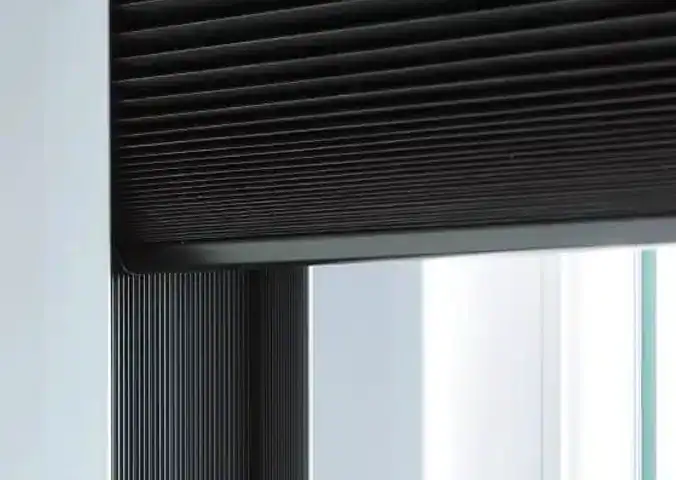
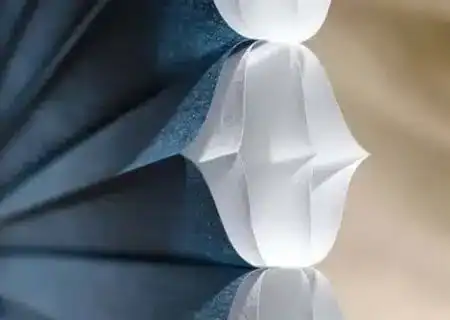
You’ll notice the temperature difference first. Hunter Douglas cellular shades trap air in honeycomb pockets, creating insulation that blocks Florida heat before it reaches your living room. That translates to 25-40% lower cooling costs—around $600 to $1,200 back in your pocket each year.
The motorization matters more than you’d think. No more walking across the house to adjust shades when the afternoon sun hits. PowerView automation moves your window treatments on schedule, or you control them from your phone. Wake up to natural light, close everything before you leave for the day, adjust from the couch during dinner.
Your furniture and flooring stop fading. These shades block 99% of UV rays, protecting what you’ve invested in your home’s interior. The fabrics themselves resist moisture and salt air—they’re engineered for coastal Florida, not just sold here.
Miami Design Group brings Hunter Douglas window shades to Juno Beach with something most dealers don’t have—experience in markets that demand quality. We’ve run successful operations in New York City and Toronto for years. Now we’re based in Hallandale Beach, serving South Florida homeowners who need window treatments that actually last.
We’re not new to this industry, just new to this market. That means you get the expertise without the learning curve. We understand what salt air does to inferior materials, why moisture resistance matters in coastal homes, and how Florida’s cooling costs justify the investment in proper shading.
You’re working with a Hunter Douglas shades dealer who stocks premium lines and handles installation correctly the first time. No subcontractors, no guesswork.
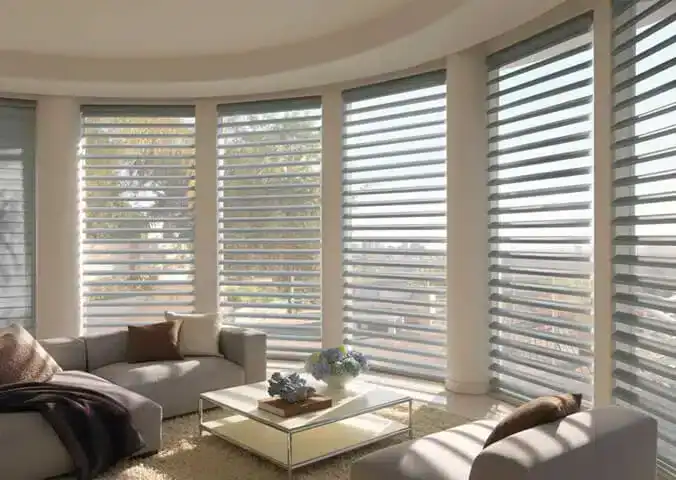
We start with measurements and a real conversation about what you’re dealing with. Which rooms get too hot? Where do you want privacy without losing light? Do you want full automation or manual operation? Your answers determine which Hunter Douglas shades make sense for your home in Juno Beach, FL.
You’ll see fabric samples in your actual space, under your actual lighting. We’re not asking you to imagine how something looks based on a tiny swatch in a showroom. Colors and opacity levels look different in Florida sun versus fluorescent lights.
Once you decide, we order custom manufacturing. Everything is built to your exact window dimensions in the United States. Installation happens on your schedule, and we handle the details—mounting, leveling, programming motorization if you’ve chosen PowerView. You’re not climbing ladders or reading instruction manuals.
The whole process typically takes two to three weeks from consultation to installation. After that, you’ve got window treatments that work the way you need them to.
Ready to get started?
Hunter Douglas offers several shade styles that work in Juno Beach homes. Cellular shades provide the best insulation—critical when you’re fighting Florida heat. Silhouette shades give you light control with a softer look, floating fabric vanes between sheer panels. Roller shades work well for clean, modern spaces and come in room-darkening or solar options.
PowerView motorization is the automation system that actually works reliably. You can schedule shades to close before the hottest part of the day, open gradually in the morning, or adjust everything from anywhere using your phone. It integrates with Alexa, Google Assistant, and Apple HomeKit. The system won the 2023 Mark of Excellence Award as Automated Shade Product of the Year—it’s not just marketing.
For Juno Beach specifically, moisture-resistant materials matter. We focus on options that won’t warp, fade, or develop mold in coastal humidity. That means certain fabrics and construction methods over others. You’re not getting a generic recommendation—you’re getting what survives here.
Energy Star qualified Hunter Douglas shades reduce your cooling load measurably. In a climate where air conditioning runs most of the year, that efficiency compounds. You’re looking at real money saved, not theoretical savings that never materialize.
Expect to invest between $300 and $800 per window for quality Hunter Douglas shades with standard features. Motorization adds $150 to $300 per shade depending on the system. A typical Juno Beach home with 10-12 windows usually runs $5,000 to $10,000 for a complete installation with a mix of manual and motorized treatments.
That’s not cheap, and we’re not going to pretend it is. You’re paying for materials that last 15-20 years in coastal conditions, energy efficiency that cuts cooling costs by hundreds annually, and manufacturing quality that cheaper brands don’t match. The cellular construction, UV-resistant fabrics, and corrosion-resistant hardware cost more to produce—but they’re what actually holds up when salt air and humidity would destroy standard window coverings.
If your priority is lowest upfront cost, Hunter Douglas isn’t the right choice. If you want to install window treatments once and have them work properly for the next two decades while reducing energy bills, the math works differently.
Yes, but only if you actually use them strategically. The shades themselves provide insulation—cellular styles trap air in honeycomb pockets that block heat transfer. That physical barrier reduces cooling costs whether the shades are motorized or not.
Motorization’s advantage is consistency. PowerView automation closes your shades before the afternoon sun heats your home, then opens them when temperatures drop. You’re not forgetting to adjust them or leaving them open because you’re not home. That consistent heat management is what delivers the 25-40% cooling cost reduction in Florida homes.
The Department of Energy confirms that cellular shades can reduce heat gain by up to 80% when fully closed. In Juno Beach, where cooling costs average $250-$350 monthly during summer, blocking even half that heat gain saves $600-$1,200 annually. Motorization ensures you’re actually getting that savings instead of leaving shades open during peak heat hours.
The right Hunter Douglas products will—but not every style is appropriate for coastal installation. Salt air corrodes metal components and humidity warps certain materials. We specify moisture-resistant fabrics and corrosion-resistant hardware for Juno Beach installations.
Cellular shades with aluminum headrails that have protective coatings work well. Roller shades with synthetic fabrics resist moisture better than natural materials. We avoid wood components in rooms with high humidity exposure. The key is matching the product construction to your specific environment, not just selling you what looks good in a catalog.
Hunter Douglas manufactures specifically for durability—their fabrics resist fading, their mechanisms are built to last, and their warranty backs it up. But longevity still depends on proper product selection for coastal conditions. A shade that works fine in Arizona might fail in three years on the Florida coast. We’ve seen it happen with competitors’ products, which is why we’re selective about what we recommend for your location.
You set schedules once, then the system runs automatically. Most Juno Beach homeowners program shades to close around 11 AM when the sun gets intense, then open again around 6 PM when temperatures drop. You can adjust anytime from your phone, or use voice commands through Alexa or Google Assistant.
The system uses a hub that connects to your WiFi and communicates with battery-powered motors in each shade. No wiring required—motors run on rechargeable batteries that last 6-12 months depending on usage. You’ll get a notification when batteries run low, and recharging takes a few hours with the included USB cable.
Scenes let you control multiple shades with one command. “Leaving home” closes everything. “Movie time” darkens the living room. “Good morning” opens bedroom shades gradually. You create these once in the app, then trigger them however you want. The system also adjusts automatically for sunrise and sunset times throughout the year, so your schedule stays relevant as seasons change.
Build quality and reliability over time. Cheaper motorized shades use basic motors that struggle with larger windows and fail within 2-3 years. Hunter Douglas PowerView motors are engineered for consistent operation—they move shades to exact positions every time, and they’re backed by a legitimate warranty.
The automation system itself is more sophisticated. Budget options give you basic up-down control from an app. PowerView offers scheduling, scenes, integration with major smart home platforms, and the ability to control shades when you’re not home. The difference matters when you’re trying to manage heat gain while you’re away or want your home to look occupied during travel.
Fabric quality separates further. Hunter Douglas cellular shades maintain their shape and insulation properties for 15-20 years. Cheaper alternatives compress, fade, and lose effectiveness within 5-7 years in Florida sun. You’re either replacing them twice or living with degraded performance. The upfront savings disappear when you’re buying window treatments again in a few years instead of once.
Typical timeline is two to three weeks from consultation to installation. That includes in-home measurement, product selection, custom manufacturing, and professional installation. Rush orders might shave off a few days, but Hunter Douglas builds everything custom to your exact specifications—that takes time.
The wait is worth it because you’re getting window treatments manufactured precisely for your windows, not stock sizes that almost fit. Proper fit matters for both appearance and function. Gaps around cellular shades let heat through and eliminate the energy savings you’re paying for. Motorized shades need exact measurements or the motors struggle and fail prematurely.
We can often schedule your consultation within a few days of contact. The manufacturing time is what extends the timeline, and that’s not something we control or would want to rush. You’re better off waiting three weeks for shades that fit correctly than getting something faster that doesn’t work right.