
Hear from Our Customers
You’re paying too much to cool your home. Florida sun pours through your windows, heats up every room, and forces your AC to run constantly just to keep up.
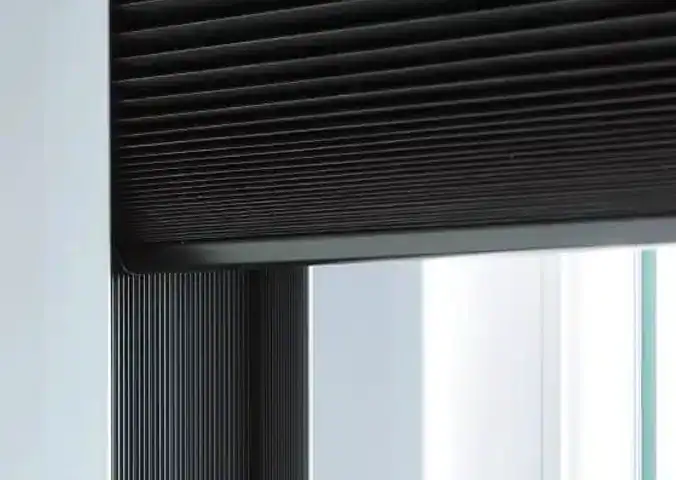
Hunter Douglas shades can reduce heat gain by up to 77 percent. That’s not marketing speak—that’s AERC-certified energy performance, independently verified by an organization partly funded by the U.S. Department of Energy. You get cellular honeycomb construction that creates insulation layers between your windows and your rooms. Your furniture stops fading. Your floors don’t bleach out. Your energy bills drop.
The difference shows up fast in Kendall West homes where large windows and year-round sun create serious cooling challenges. You’re not just covering windows—you’re adding a defense layer that works every single day. And when you automate them with PowerView, they adjust throughout the day to block the harshest rays without you lifting a finger.
We specialize in window treatments and home automation for Miami-Dade and Broward County. We’re an authorized Hunter Douglas dealer serving Kendall West homeowners who need window coverings that can handle Florida’s climate without falling apart.
Most homes in your area were built between the early 1990s and early 2000s. You’ve got newer construction with larger windows, which means more sun exposure and higher cooling costs if your window treatments aren’t doing their job. We’ve worked with enough Kendall West properties to know exactly which Hunter Douglas products hold up best against humidity, which fabrics block the most UV without making rooms feel dark, and which motorization systems make sense for your budget.
You’re not getting a salesperson. You’re getting a consultation with someone who understands what 90-degree heat and 90 percent humidity does to window coverings over time.
You schedule a consultation at your home in Kendall West. We measure your windows, talk about what’s not working with your current setup, and show you fabric samples and operating systems in person. No pressure—just information so you can make a decision that actually fits your needs.
Once you choose your Hunter Douglas shades, we place the order and handle manufacturing timelines. Custom window treatments take time to build right, and we’ll give you a realistic installation date upfront. When your shades arrive, we come back to install them properly—making sure they fit your window frames correctly, operate smoothly, and look clean.
If you’re adding PowerView motorization, we program everything during installation. You’ll be able to control your shades from your phone, set schedules, and integrate them with compatible smart home systems. We walk you through how it all works before we leave.
That’s it. You get Hunter Douglas quality, professional installation, and window treatments designed to last in Florida’s climate. No surprises, no runaround.
Ready to get started?
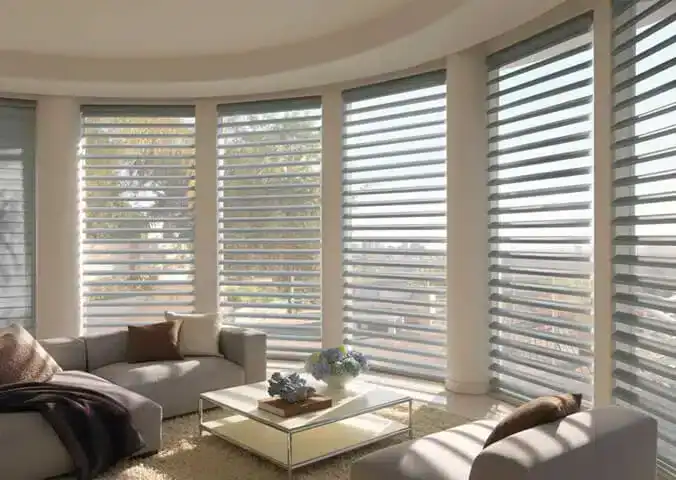
Hunter Douglas offers cellular shades, solar shades, roller shades, Roman shades, Silhouette shades, and more. Each type solves different problems. Cellular shades give you maximum insulation with honeycomb construction—some models feature honeycomb-within-honeycomb layers for even better energy efficiency. Solar shades block up to 99 percent of UV rays while preserving your view. Silhouette shades give you light control with floating fabric vanes that tilt open or closed.
In Kendall West, homeowners typically need UV protection and energy efficiency first. Your median property value sits around $377,800, and you’re protecting a real investment when you prevent sun damage to hardwood floors, furniture, and upholstery. Florida’s architectural style means larger windows and more glass—which looks great but creates glare and heat problems without proper window treatments.
You can outfit every window shape, including skylights, French doors, and sliding glass doors. Operating systems range from cordless and motorized to UltraGlide and SoftTouch—all designed for child safety and ease of use. PowerView Automation lets you schedule your shades to open at sunrise and close during peak heat hours. It integrates with smart home systems if that’s your setup.
You’re getting products manufactured to last, with attention to detail that shows in how they operate years down the line. Hunter Douglas is the first company to receive AERC certification for interior window coverings, which means their energy performance claims are backed by independent testing—not just marketing departments.
Yes, but only if you choose the right type and install them correctly. Hunter Douglas cellular shades can reduce heat gain by up to 77 percent, which directly impacts how hard your AC works during Florida’s brutal summer months. That’s not a guess—it’s AERC-certified performance data from independent testing.
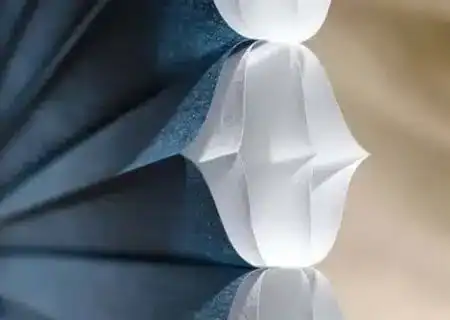
The key is cellular construction. Duette and Duette Architella shades use honeycomb designs that trap air and create insulation layers between your windows and your rooms. In Kendall West, where temperatures stay high year-round and your cooling system runs constantly, that insulation makes a measurable difference on your energy bills.
Solar shades also help by blocking UV rays and heat before they enter your home, but they don’t insulate like cellular shades do. If energy savings are your priority, cellular shades are the better choice. If you want to preserve your view while reducing glare and UV damage, solar shades work well. We help you figure out which makes sense for each window based on sun exposure and how you use each room.
Hunter Douglas shades are built to handle Florida’s climate, but lifespan depends on the specific product and how much direct sun and moisture exposure they get. Most Hunter Douglas window shades last 10 to 15 years or longer with proper care, even in high-humidity environments like South Florida.
The fabrics are designed to resist fading, warping, and mold growth that destroy cheaper window treatments in humid climates. Cellular shades use moisture-resistant materials that hold their shape. Motorized components are sealed to protect internal mechanisms from humidity damage. That said, if you’re installing shades in a bathroom or Florida room with constant moisture, you’ll want to choose fabrics specifically rated for high-humidity spaces.
Kendall West homes built in the 1990s and early 2000s often have larger windows and more glass, which means more sun exposure. UV damage is the bigger threat here than humidity alone. Hunter Douglas fabrics block UV rays that break down cheaper materials over time, so your shades don’t become brittle or discolored after a few years. You’re paying more upfront, but you’re not replacing them every five years like you would with big-box store options.
Yes. Hunter Douglas PowerView Automation integrates with most major smart home systems, including Amazon Alexa, Google Assistant, Apple HomeKit, and others. You control your shades from your phone, set schedules, and create scenes that adjust multiple shades at once.
The practical benefit in Kendall West is automatic heat management. You can program your shades to close during peak sun hours—usually mid-afternoon when your west-facing windows get hammered—and open again in the evening when temperatures drop. You’re not manually adjusting shades throughout the day, and your home stays cooler without constant AC adjustments.
PowerView also works with compatible thermostats and lighting systems, so your shades can respond to temperature changes or time of day automatically. Installation includes programming, so everything works before we leave. If you’re not into smart home tech, Hunter Douglas also offers simpler motorized options with remote controls, plus cordless and manual systems that are just as effective—they just require you to operate them yourself.
Cellular shades insulate. Solar shades block UV and reduce glare. They solve different problems, and most Florida homeowners end up using both in different rooms.
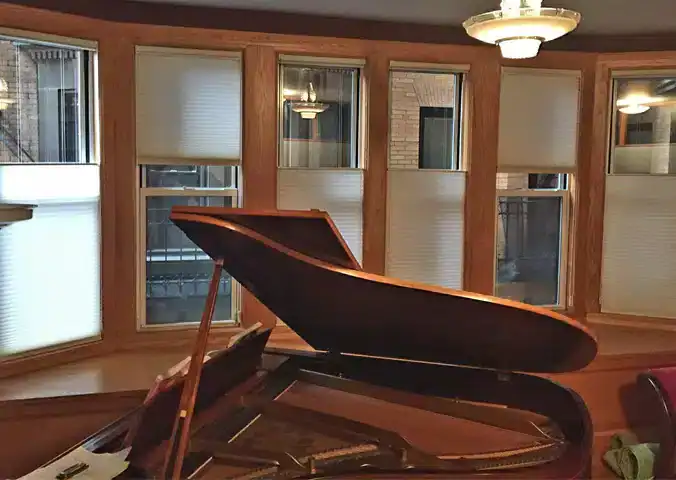
Cellular shades use honeycomb construction to trap air and create insulation layers. They’re the most energy-efficient interior window treatment you can install. They reduce heat gain in summer and heat loss in winter (not that you need much heating in Kendall West). They come in light-filtering and blackout options, so you control how much light enters the room. If energy savings and temperature control are your priority, cellular shades are the answer.
Solar shades are made from mesh-like fabrics that block UV rays and reduce glare while preserving your view. They don’t insulate like cellular shades, but they stop up to 99 percent of harmful UV rays from fading your furniture and floors. They’re ideal for rooms where you want to see outside without dealing with harsh glare—living rooms, kitchens, and home offices.
In Kendall West homes with large windows and open floor plans, we typically recommend cellular shades for bedrooms and rooms where temperature control matters most, and solar shades for living areas where you want light and views without the UV damage. You’re not locked into one type for your entire home.
Yes, as long as you choose cordless or motorized operating systems. Traditional corded window treatments pose strangulation risks to children and pets, which is why Hunter Douglas offers multiple child-safe options that eliminate dangling cords entirely.
PowerView motorization is the safest option—no cords at all, just app or remote control. UltraGlide and SoftTouch systems use retractable cords or continuous cord loops that stay out of reach. LiteRise is a cordless system where you simply push up or pull down on the bottom rail to adjust the shade. All of these meet or exceed current child safety standards.
If you’re a Kendall West homeowner with young kids, motorization also adds convenience. You’re not constantly adjusting shades throughout the day, and you can schedule them to close during nap times or open in the morning without walking room to room. Pets can’t tangle themselves in cords or damage shades by pawing at them. It’s a cleaner, safer setup that also happens to make your life easier.
Custom Hunter Douglas window shades typically run between $300 and $1,200 per window, depending on size, fabric, features, and operating system. Motorization adds cost, but it’s often worth it for convenience and energy management in Florida’s climate.
A typical Kendall West home with 10 to 15 windows might invest $5,000 to $15,000 for quality Hunter Douglas shades throughout the house. That’s not cheap, but you’re getting energy savings, UV protection, and window treatments that last 10 to 15 years or longer. Compare that to replacing cheaper shades every few years because they warp, fade, or fall apart in Florida’s humidity.
The actual cost depends on what you choose. Cellular shades with standard lift systems cost less than motorized solar shades with PowerView automation. Larger windows and specialty shapes like skylights or arched windows cost more because they require custom manufacturing. We give you exact pricing during your consultation after measuring your windows and understanding what features matter most to you. No surprises, no hidden fees—just straightforward numbers so you can decide what fits your budget and your home.