
Hear from Our Customers
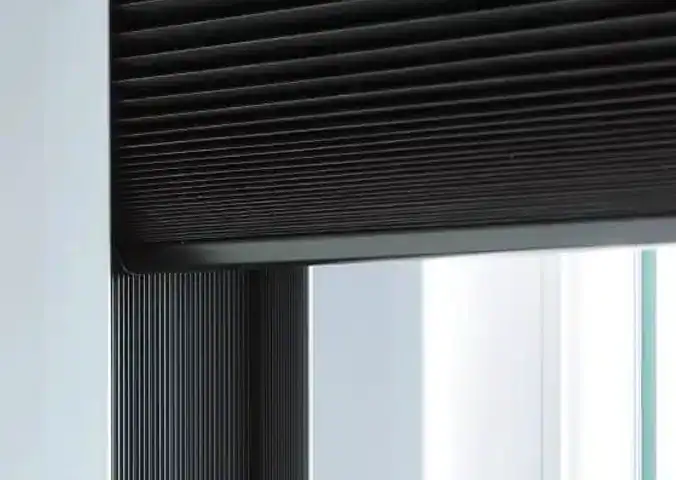
Your AC doesn’t run as hard. That’s the first thing you’ll notice. Hunter Douglas cellular shades can reduce heat gain through your windows by up to 60% during Florida’s brutal cooling season. That’s not marketing speak—it’s AERC-certified data from field studies comparing insulated honeycomb shades to standard vinyl blinds.
Your furniture stops fading. UV rays are relentless in Limestone Creek, and they don’t just heat your home—they bleach hardwood floors, fade upholstery, and weaken natural fabrics over time. Hunter Douglas shades block up to 99% of UV rays when fully closed, which means your $3,000 sofa and refinished oak floors stay intact longer.
You stop adjusting blinds manually. PowerView motorization lets you schedule your window treatments to close before the afternoon sun hits or open when you wake up. It connects to Alexa, Google Home, and most smart home systems. You set it once, and it runs on autopilot.
Miami Design Group is an authorized Hunter Douglas shades dealer serving Limestone Creek and the surrounding Palm Beach County area. We’re based in Hallandale Beach, and we handle everything from the initial consultation to final installation. No subcontractors. No third-party measuring services.
Most homes in Limestone Creek were built in the early 2000s, and many still have the original builder-grade blinds or outdated treatments that don’t stand up to Florida’s humidity and UV exposure. We work with homeowners who want something that performs better and lasts longer without the constant maintenance or replacement cycle.
You’ll work directly with our team from start to finish. We come to your home, measure your windows, walk through fabric and automation options, and install everything ourselves. If something needs adjustment after install, we come back. That’s how it should work.
You schedule a consultation, and we come to your home in Limestone Creek. We measure your windows, talk through what you’re dealing with—heat gain, glare, privacy, UV damage—and show you fabric samples and automation options. This isn’t a sales pitch. It’s a working session where you see what’s available and what makes sense for your space.
Once you decide on a product, we place the order directly with Hunter Douglas. Custom shades are built to your exact window dimensions, so there’s a lead time—usually a few weeks depending on the product line and any motorization components. We’ll give you a clear timeline upfront.
When your shades arrive, we schedule the install. We mount everything, test the operation (manual or motorized), program any automation schedules if you’re using PowerView, and walk you through how to use and maintain them. If you have questions a week later or a year later, you call us. We’re local, and we handle any service or adjustments that come up.
Ready to get started?
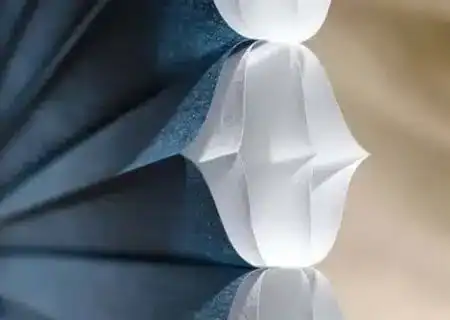
Hunter Douglas makes different product lines for different needs. Cellular shades—also called honeycomb shades—are the most energy-efficient option. The honeycomb structure traps air and insulates your windows, which matters in a place like Limestone Creek where cooling costs dominate your energy bill. They’re also moisture-tolerant, so they hold up in Florida’s humidity better than fabric treatments that warp or develop mold.
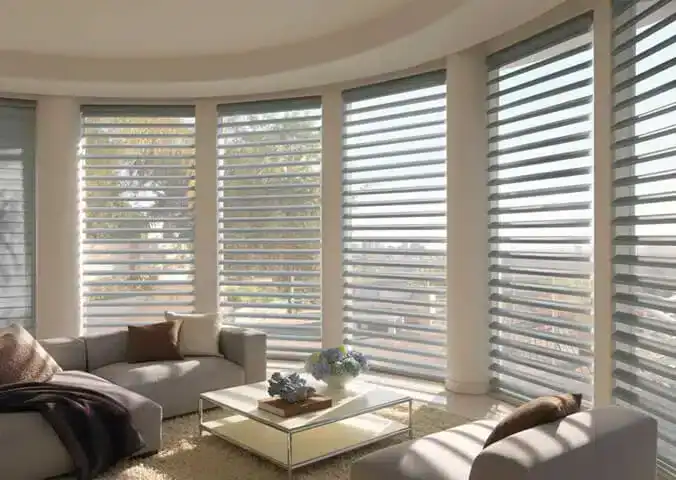
If you want UV protection without blocking your view, Designer Screen Shades are the move. They filter light, reduce glare, and block up to 99% of UV rays while still letting you see outside. They’re popular in homes with water views or large windows facing east or west where the sun is most aggressive.
Motorization is available on almost every product line. PowerView lets you control shades from your phone, set schedules based on time of day or sun position, and integrate with smart home systems like Control4, Savant, or basic voice assistants. You can also add sensors that automatically adjust shades based on indoor temperature or sunlight intensity. It’s not a gimmick—it’s a functional upgrade that actually reduces energy waste and protects your interior from UV damage when you’re not home.
It depends on the product line, window sizes, and whether you add motorization. A single standard-sized window with a mid-tier cellular shade might run $300 to $500 installed. If you’re outfitting a whole home with 15 to 20 windows and adding PowerView automation, you’re looking at $8,000 to $15,000+.
That sounds like a lot until you factor in what you’re replacing. Builder-grade blinds need replacement every few years in Florida’s climate. They warp, fade, and stop operating smoothly. Hunter Douglas products are built with UV-stable materials, corrosion-resistant hardware, and moisture-tolerant fabrics. They’re designed to last 10+ years without performance issues, and they come with a manufacturer warranty that actually means something.
Energy savings matter too. If cellular shades reduce your cooling costs by even 10% to 15%, that’s $200 to $400 a year in a home with a typical $2,500 annual cooling bill. Over a decade, that’s real money back in your pocket, and your furniture and floors aren’t getting destroyed by UV exposure in the meantime.
Motorization makes the most difference when you’re not home or when you have windows that are hard to reach. If your shades are closed during peak sun hours—say, 1 PM to 5 PM when the afternoon heat is worst—you’re blocking heat gain when your AC is working hardest. Most people don’t manually adjust their shades multiple times a day. Motorization does it automatically on a schedule.
PowerView also integrates with smart home systems, so your shades can respond to temperature sensors or sun position. If your home hits 76 degrees and the sun is blasting your west-facing windows, the shades close automatically. That’s not luxury—it’s functional climate control that reduces energy waste.
The other practical benefit is for homes with high or specialty-shaped windows. If you have transom windows, skylights, or anything above 10 feet, motorization eliminates the need for pull cords or constantly grabbing a step stool. You control everything from your phone or a wall-mounted remote. For a lot of homeowners in Limestone Creek with vaulted ceilings or large window walls, it’s the only option that makes sense.
Cellular shades—specifically the Duette or Applause lines—are the best for heat control. The honeycomb design traps air in pockets, which insulates your windows and reduces heat transfer. In field studies, insulated cellular shades reduced unwanted solar heat gain by up to 60% compared to bare windows or standard blinds. That’s a measurable difference on your energy bill.
If you want to see outside while still blocking heat and UV rays, Designer Screen Shades are a solid alternative. They won’t insulate as well as cellular shades, but they filter sunlight, reduce glare, and block up to 99% of UV rays. They’re a good fit for rooms where you want to maintain a view—like a living room or home office facing your yard or a water feature.
For bedrooms or media rooms where you need full blackout, Duette Honeycomb Shades with the blackout liner option give you both insulation and total light control. You can also layer treatments—cellular shades for energy efficiency plus a sheer or drapery for aesthetics—but most people in Limestone Creek just want something that works without adding complexity.
From consultation to installation, plan on three to five weeks. That includes the time it takes to manufacture your custom shades to your exact window measurements. If you’re ordering a product line that’s in high demand or adding complex motorization with multiple zones, it might push closer to six weeks.
The actual installation is usually a one-day job for most homes. If you have 10 to 15 windows, we’re typically in and out in four to six hours depending on whether we’re installing manual or motorized shades. Motorized installs take a bit longer because we’re programming schedules, connecting to your smart home system, and testing each shade’s operation.
If you need shades faster, some product lines have quicker turnaround times, but custom window treatments aren’t an off-the-shelf purchase. Everything is built specifically for your windows, which is why they fit correctly and operate smoothly for years. Rushing the process usually means sacrificing quality or customization options, and that’s not worth it when you’re making a long-term investment in your home.
Yes, but only if you choose a product with high UV blockage and actually keep them closed during peak sun exposure. Hunter Douglas shades with UV-blocking fabrics can block up to 99% of harmful UV rays when fully lowered and closed. That’s the exposure that causes hardwood floors to bleach, upholstery to fade, and natural fabrics to weaken over time.
The key is consistency. If your shades are open all day, they’re not doing anything. This is where motorization helps—you can schedule shades to close automatically during the hours when UV exposure is highest, typically mid-morning through late afternoon in Limestone Creek. You’re not blocking light all day, just during the window when sun damage is most aggressive.
UV damage is cumulative. You might not notice it week to week, but over a year or two, untreated windows will fade a hardwood floor or destroy a leather sofa. Limestone Creek homes get year-round sun exposure, and with median property values around $350,000, most homeowners have invested in quality finishes and furnishings. Spending a few thousand on UV-blocking window treatments is a lot cheaper than refinishing floors or replacing furniture every five years.
Yes. Hunter Douglas manufactures shades for arched windows, skylights, trapezoids, and oversized window walls. They’re one of the few companies that can handle specialty shapes without compromising on insulation, UV protection, or motorization. We measure everything on-site, and if your window is an odd size or shape, we work directly with Hunter Douglas to spec the right product and mounting system.
Motorization is especially useful for hard-to-reach or oversized windows. If you have a two-story window wall or skylights above a staircase, manual operation isn’t practical. PowerView motorization lets you control everything from your phone or integrate with a remote, so you’re not climbing ladders or leaving shades in one position permanently.
The other consideration is weight. Oversized shades can be heavy, especially if you’re using blackout fabrics or layered cellular designs. Hunter Douglas engineers their lift systems to handle the load, and motorization eliminates the strain of manually raising and lowering a 10-foot-wide shade. We’ll walk you through what’s structurally possible during the consultation, but in most cases, there’s a solution that works without compromising performance or aesthetics.