
Hear from Our Customers
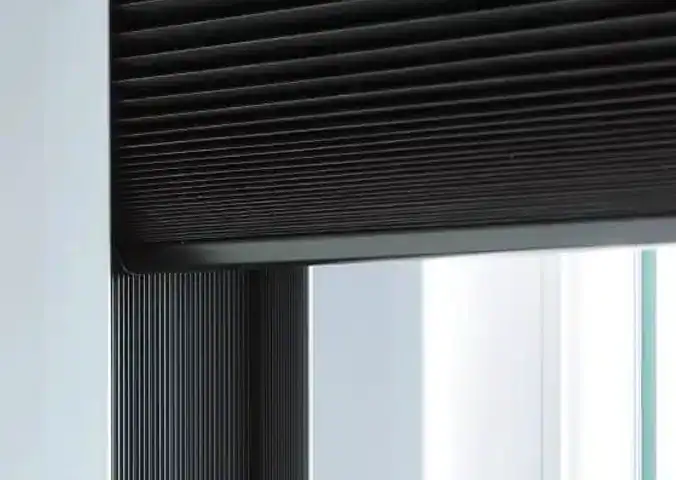
You’re dealing with afternoon sun that makes rooms unbearable. Glare on your TV during the day. Energy bills that spike every summer because your AC can’t keep up.
Hunter Douglas shades fix that. The right fabric and design block heat before it enters your space. You get rooms that stay cooler without cranking the thermostat. Natural light when you want it, complete darkness when you don’t.
The difference shows up in comfort first, then in your energy bill. Cellular shades add insulation at the glass. Roller shades with solar fabrics cut glare without blocking your view. You’re not just covering windows—you’re controlling how your home feels throughout the day.
We handle window treatments for homes and businesses throughout The Hammocks and surrounding Miami-Dade County. We’re based in Hallandale Beach, and we know what works in South Florida’s climate.
Every installation starts with precise measurements using laser devices. We’re not eyeballing it or hoping standard sizes fit. Your shades are built to your exact window dimensions, then mounted with hardware that’s appropriate for your wall type.
The Hammocks has a mix of newer construction and established homes, and we’ve worked in both. Whether you’re in a townhome near the parks or a single-family house off SW 152nd Street, we understand the window configurations common to this area and what solutions hold up best.
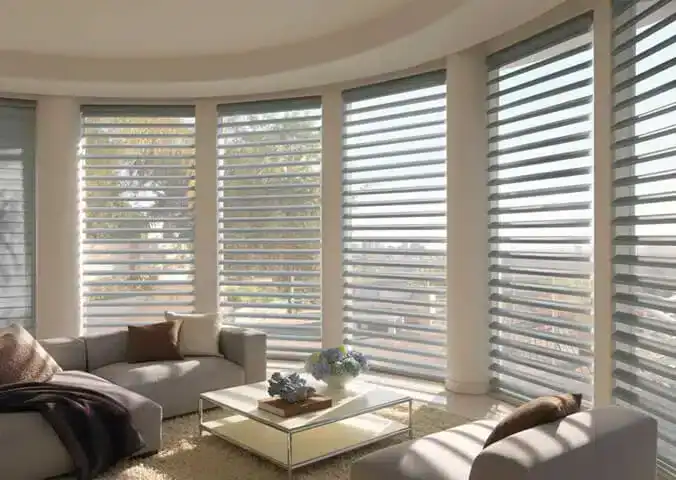
First, we come to your home and talk through what’s not working with your current setup. Too much light, not enough privacy, outdated look—whatever it is, we need to understand it before recommending anything.
Then we take measurements. Every window gets measured individually because even in the same room, dimensions can vary. We’ll show you fabric samples, explain the differences between cellular, roller, and Roman shades, and walk through motorization options if that interests you.
Once you decide, your custom Hunter Douglas shades go into production. That typically takes two to four weeks. We stay in touch during that window so you know where things stand.
Installation day, we mount everything securely and make sure operation is smooth. You’ll know how to adjust them, clean them, and what to do if you ever have an issue. The whole process from that first conversation to finished install usually runs about a month, sometimes less depending on product availability.
Ready to get started?
Hunter Douglas shades come with options that matter in The Hammocks’ climate. UV-resistant fabrics that won’t break down under constant sun exposure. Moisture-resistant materials for bathrooms and kitchens where humidity is always a factor.
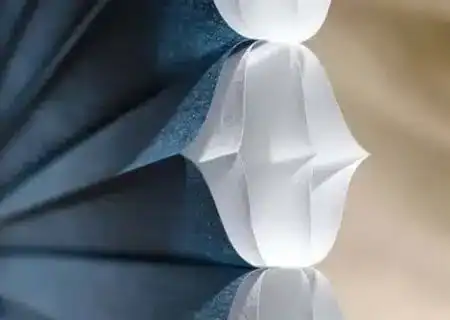
Cellular shades—sometimes called honeycomb shades—trap air in their pockets, creating an insulating barrier at your windows. That’s useful here where your AC runs most of the year. Roller shades offer a clean, modern look and come in everything from sheer fabrics that filter light to blackout materials for bedrooms.
Motorization is popular in South Florida, especially for hard-to-reach windows or large glass doors. You control your shades from your phone, set schedules, or integrate them with home automation systems. No cords, no hassle, just cleaner operation.
The Hammocks sees plenty of sun year-round, and that takes a toll on window treatments that aren’t built for it. Hunter Douglas uses compounds designed to resist fading and degradation. You’re not replacing these in three years because the fabric fell apart.
Hunter Douglas shades are built with UV-resistant materials specifically because climates like ours destroy cheaper window treatments fast. You’re looking at 10 to 15 years of functional life if they’re installed correctly and you’re not abusing them.
The key is choosing the right product for the right window. A cellular shade in a bedroom that gets afternoon sun will outlast a bargain shade by years because the materials are engineered to handle heat and UV exposure. Roller shades with solar fabrics are designed to sit in direct sun all day without fading or becoming brittle.
Florida’s humidity is the other factor. Faux wood or vinyl materials resist moisture better than real wood, which can warp. If you’re covering windows in a bathroom or near a pool area, material choice matters more than brand name—but Hunter Douglas offers options that handle moisture without falling apart.
Cellular shades have a honeycomb structure that traps air, creating insulation at the window. That makes them better for energy efficiency because they slow heat transfer. In The Hammocks, that means your AC doesn’t work as hard when the sun hits those windows.
Roller shades are a single layer of fabric on a rolling mechanism. They’re simpler, often more affordable, and give you a cleaner, more modern look. They don’t insulate like cellular shades, but if you choose a solar fabric, they block heat and glare while still letting you see outside.
If energy cost is your main concern, cellular shades make more sense. If you want a minimalist aesthetic and don’t mind a bit less insulation, roller shades work well. Both are available in light-filtering or blackout options, so privacy and light control aren’t the deciding factors—it’s really about insulation versus appearance.
Motorization makes sense in specific situations. If you have windows that are hard to reach—like above a staircase or behind furniture—motorized operation is more than convenience, it’s practical. You’ll actually use the shades instead of leaving them in one position because adjusting them manually is a pain.
For large or heavy shades, motors eliminate the struggle of lifting them. If you’re covering sliding glass doors or floor-to-ceiling windows, manual operation gets old fast. Motorization also removes lift cords, which is safer if you have young kids or pets.
The cost difference is real—usually a few hundred dollars more per window depending on the system. But if you’re integrating with home automation or you want to set schedules so your shades close automatically during peak sun hours, that upfront cost pays back in convenience and energy savings. If you’re covering standard bedroom windows and you don’t mind pulling a cord, manual operation works fine and saves you money.
Start with what problem you’re trying to solve. If your main issue is heat and energy cost, cellular shades with a higher R-value give you the most insulation. If it’s glare on screens or furniture fading from sun exposure, solar roller shades block UV while maintaining your view.
Room function matters too. Bedrooms usually need blackout options for sleep quality. Living rooms might benefit from light-filtering fabrics that provide privacy without making the space dark during the day. Bathrooms and kitchens need moisture-resistant materials that won’t warp or mildew.
Window size and placement also guide the decision. Large windows or sliding doors often work better with vertical solutions like panel track blinds. Narrow windows might look better with Roman shades that add visual interest. When we visit your home in The Hammocks, we look at sun exposure throughout the day, your interior style, and how you actually use each room—then recommend based on that, not what’s most expensive or trendy.
Installation includes mounting the brackets, hanging the shades, and making sure everything operates smoothly. We bring the right hardware for your wall type—drywall anchors, concrete screws, whatever’s needed to secure the mount points properly.
For a typical home with five to eight windows, installation usually takes half a day. Larger projects or homes with many windows can run a full day or more. We’re not rushing through it—each shade needs to be level, brackets need to be secure, and operation needs to be tested before we leave.
You don’t need to do anything to prep besides clearing the window area so we can work. We clean up after ourselves, haul away packaging, and show you how to operate and maintain your new shades. If you opted for motorization, we’ll program remotes or connect to your home system and make sure you’re comfortable with the controls before we’re done.
Yes, but the savings depend on which shades you choose and where you install them. Cellular shades with a high R-value can reduce heat gain by up to 45% on windows with direct sun exposure. That means your AC cycles less frequently during peak afternoon hours.
In The Hammocks, west-facing windows are usually the biggest problem. Late afternoon sun heats rooms fast, and your cooling system struggles to keep up. Covering those windows with insulating shades makes a measurable difference—most homeowners notice rooms stay more comfortable, and some see a 10-15% reduction in cooling costs during summer months.
The savings aren’t dramatic enough to pay for the shades in a year, but over their lifespan, the energy reduction adds up. More immediately, you’ll notice comfort improvements—rooms that were unbearable in the afternoon become usable, and your AC doesn’t run constantly trying to compensate for heat pouring through the glass.