
Hear from Our Customers
Your AC runs constantly. Your furniture fades faster than it should. And you’re adjusting blinds multiple times a day just to keep rooms comfortable.
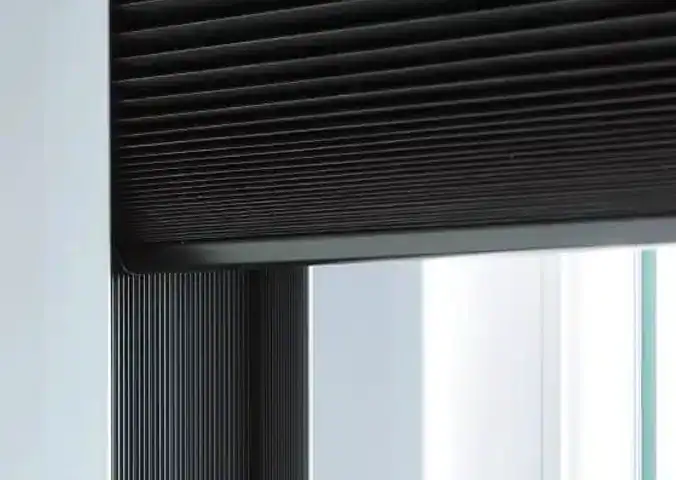
Hunter Douglas shades in Watergate, FL address what standard window coverings can’t handle. The honeycomb construction in Duette shades creates insulating air pockets that block heat transfer. That means your cooling system works less, and your monthly bills drop. The UV-blocking fabrics protect wood floors, upholstery, and artwork from sun damage that costs thousands to replace.
Motorization removes the manual work. PowerView automation learns when you want light, privacy, or temperature control. It adjusts based on time of day, sun position, and your preferences. You’re not programming schedules or pulling cords. The system responds to how you actually live.
Florida’s humidity and salt air destroy standard blinds within a few years. Hunter Douglas builds their products to withstand moisture without warping, fading, or developing mold. You’re getting window treatments engineered for coastal climates, not generic solutions that fail early.
Miami Design Group operates as a certified Hunter Douglas blinds and shades dealer serving Watergate, FL and surrounding areas. That certification means direct access to the full product line, factory training on installation techniques, and manufacturer backing on warranties.
We handle the measurement, mounting, and programming in homes dealing with Watergate’s specific conditions. High humidity, intense afternoon sun, and salt exposure require installation methods that account for expansion, proper sealing, and corrosion-resistant hardware. Our technicians mount these systems to last through Florida’s climate extremes.
You’re working with a local team that understands South Florida construction, window types common in Watergate homes, and the smart home systems residents already use. We integrate Hunter Douglas shades with existing automation setups and train you on the controls before we leave.
We start with an in-home consultation where you show us the windows causing problems. We measure each opening, discuss which rooms need blackout vs light filtering, and determine if you want manual or motorized operation. You’ll see fabric samples, opacity options, and how different Hunter Douglas shades perform in Florida conditions.
After you select products, we place the factory order with your exact specifications. Hunter Douglas manufactures each shade to your measurements at their US facilities. Production typically takes two to three weeks depending on customization level and current demand.
Installation happens in one appointment for most homes. We mount the brackets, hang the shades, and test operation on every window. For motorized systems, we install the PowerView hub, connect it to your network, program scenes, and walk you through smartphone controls. You’ll know how to adjust individual shades, create routines, and troubleshoot basic issues.
We check back after the first week to address any questions about operation or programming adjustments. The system should feel intuitive by then, but we’re available if you want to add scenes or modify automation schedules as you learn what works best.
Ready to get started?
You’re getting precise measurements taken with tools that account for out-of-square windows common in Watergate homes. We measure width, height, and depth at multiple points because Florida settling and humidity cause frames to shift over time. Those measurements go directly to Hunter Douglas manufacturing with specifications for inside mount, outside mount, or ceiling installation based on your window type.
Product selection includes fabric consultation. Watergate homes face different sun exposure depending on which side of the building you’re on and how much shade you get from landscaping. We recommend opacity levels, cellular sizes, and fabric types based on your actual light and heat issues, not generic suggestions. You’ll see how Solar Shades differ from Silhouette Shades in blocking glare while maintaining views.
Motorization setup covers PowerView hub installation, WiFi connection, and integration with Alexa, Google Home, or Apple HomeKit if you use those systems. We program scenes like “Good Morning” that opens shades gradually, “Away Mode” that randomizes movement for security, and “Movie Time” that blacks out your media room. The system can respond to sun sensors we install that detect when afternoon heat hits your west-facing windows.

Motorized Hunter Douglas shades in Watergate, FL typically range from $400 to $900 per window depending on size, fabric type, and automation features. A standard bedroom window with PowerView motorization and light-filtering fabric runs around $500 to $650 installed. Larger windows, specialty shapes, or blackout fabrics with top-down/bottom-up operation cost more.
The PowerView hub that controls up to 60 shades adds roughly $300 to your total project cost. You need one hub per home, not per window. If you’re doing multiple rooms, that hub cost spreads across all windows and becomes a smaller percentage of the overall investment.
Energy savings offset some of that cost over time. Watergate homeowners report cooling cost reductions of 15% to 25% after installing cellular shades on south and west-facing windows. At $200 to $300 monthly summer cooling bills, that’s $30 to $75 back each month during peak season. The shades typically pay for themselves in energy savings within five to seven years, then continue reducing costs for the next decade.
Yes, but the reduction depends on which Hunter Douglas shades you install and where you install them. Duette Honeycomb Shades create the biggest impact because their cellular construction traps air in pockets that insulate against heat transfer. Installing them on west and south-facing windows in Watergate blocks afternoon sun that makes your AC work hardest.
The Department of Energy confirms that windows account for 25% to 30% of cooling costs in Florida homes. Cellular shades with higher R-values (insulation ratings) can cut that heat gain by up to 45%. For a Watergate home spending $250 monthly on summer cooling, that’s potentially $28 to $34 in monthly savings just from window treatments.
You’ll see the difference most dramatically in rooms that get direct afternoon sun. Bedrooms that were uncomfortable at 3 PM stay cooler without adjusting the thermostat. Living rooms with large glass doors don’t force your AC into constant operation. The shades work passively, blocking heat before it enters rather than trying to cool it after it’s already warmed your space.
Yes, through the PowerView system that integrates with your smartphone and most major voice assistants. The PowerView app lets you open, close, or adjust any shade from anywhere. You can check if you left shades open when you’re away, close them remotely before you get home, or adjust them from bed without getting up.
Voice control works with Alexa, Google Assistant, and Siri through Apple HomeKit. You say commands like “Alexa, close the bedroom shades” or “Hey Google, set living room shades to 50 percent.” The system responds within a few seconds. You can also create scenes that control multiple rooms at once, like “Goodnight” that closes every shade in your home with one command.
The PowerView hub connects to your home WiFi and communicates with battery-powered motors in each shade. Those batteries typically last one to three years depending on how often the shades move. You get low-battery notifications through the app before they die, and replacing them takes about 30 seconds per shade. No wiring runs through your walls, so installation doesn’t require an electrician or damage to your Watergate home.
Hunter Douglas shades typically last 10 to 15 years in Florida’s humidity when properly installed and maintained. The fabrics resist moisture, mold, and fading better than standard window treatments because they’re engineered for durability. The aluminum headrails and components use corrosion-resistant materials that handle salt air in coastal areas like Watergate.
The cellular fabrics in Duette shades don’t absorb moisture the way natural materials do. They’re designed to maintain their shape and insulation properties in high humidity without warping or developing mildew. You’ll want to dust them occasionally and spot-clean any marks, but they don’t require special maintenance beyond what you’d do with any window covering.
Motorized components have similar longevity. The PowerView motors are sealed units that protect internal electronics from humidity. Battery contacts can corrode if you’re right on the water, but that’s preventable with occasional cleaning. Most Watergate homeowners get a decade or more from their motorized shades before considering replacement, and often the only reason to replace is wanting updated automation features rather than mechanical failure.
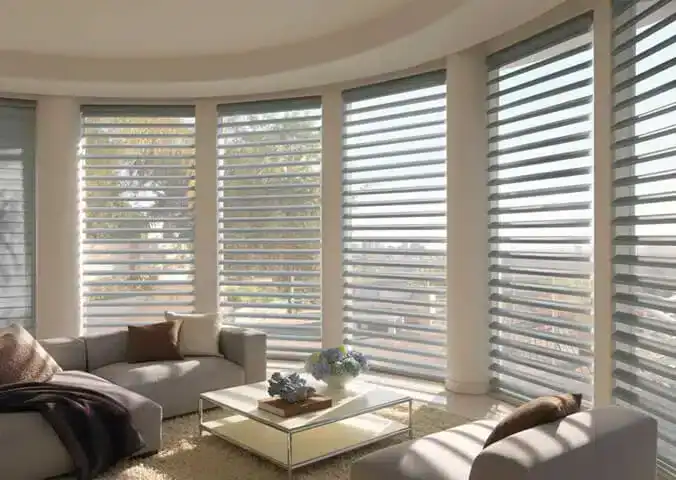
Silhouette Shades have fabric vanes that float between two sheer panels, letting you adjust light while maintaining your view outside. Duette Shades use honeycomb cells that create air pockets for insulation but block your view when closed. The choice depends on whether you prioritize views and light control or energy efficiency and privacy.
Silhouette Shades work well in Watergate living rooms and dining areas where you want to see outside while reducing glare. You tilt the vanes to control how much light enters, similar to horizontal blinds but with a softer appearance. They cut glare on TV screens and reduce heat, but they don’t provide the same insulation value as cellular construction. When fully closed, they offer privacy while still allowing light to filter through.
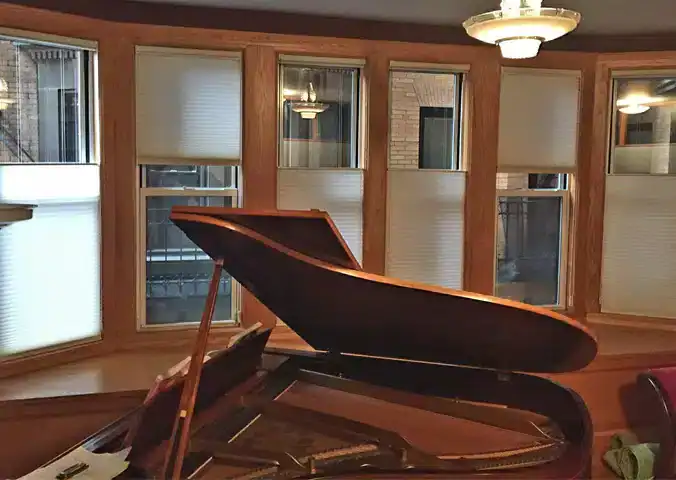
Duette Shades make more sense for bedrooms and rooms where temperature control matters most. The cellular design provides better insulation against Florida heat, which translates to lower cooling costs. They offer true blackout options if you want complete darkness for sleeping or media rooms. You can also get top-down/bottom-up operation that lets you lower the shade from the top for privacy while keeping the bottom open for light and air circulation near the floor.
Yes, we install Hunter Douglas shades in Watergate commercial properties including offices, hotels, medical facilities, and retail spaces. Commercial installations require different considerations than residential projects because you’re typically covering more windows, need coordinated operation across multiple rooms, and want centralized control for facility management.
PowerView commercial systems let property managers control hundreds of shades from one interface. You can program different zones to operate on schedules that match business hours, automatically close shades in conference rooms during presentations, or adjust based on occupancy sensors. Hotels use these systems to reset rooms between guests, close shades during peak heat hours to reduce HVAC costs, and create automated wake-up routines.
The installation process for commercial properties involves site surveys to assess window types, determine power requirements if you want plug-in motors instead of battery operation, and plan wire runs for networked systems. We coordinate with your contractors, work around business hours to avoid disruption, and provide training for your facilities team on system operation and troubleshooting. Commercial installations typically include extended warranties and service agreements for ongoing maintenance.