Making smart window shades work seamlessly with your Miami home's automation system while ensuring reliable operation during storms.
Share:

Summary:
Smart window shade integration involves connecting your motorized blinds or shades to your home automation system through various protocols and platforms. The key is choosing the right combination of hardware, software, and connectivity options that work reliably in Miami’s unique environment.
Modern smart shades communicate through several protocols including Wi-Fi, Zigbee, Z-Wave, Thread, and proprietary RF systems. Each offers different advantages for integration with popular platforms like Amazon Alexa, Apple HomeKit, Google Home, and Samsung SmartThings.
The integration process typically involves three components: the motorized shade hardware, a communication protocol, and your smart home hub or platform. Understanding these elements helps you make informed decisions about which system will work best for your specific needs and existing setup.

The choice between local and cloud control significantly impacts your smart shade system’s reliability, especially during Miami’s hurricane season when internet connectivity can be compromised. Local control systems operate independently of internet connectivity, processing commands directly within your home network.
Local control offers crucial reliability benefits—your devices will always work even if your internet connection fails, and you can control them when internet connectivity is down. This proves invaluable during storm season when maintaining climate control and privacy becomes critical even without internet access.
Local systems also provide faster response times since your commands don’t need to travel through the cloud before reaching your devices. Commands are processed instantly within your home network, creating a more responsive experience for daily use.
Cloud-based systems offer advantages like remote access when you’re away from home, automatic firmware updates, and integration with advanced features like weather-based automation. Cloud systems allow remote control and provide always-updated firmware with new features and improvements.
However, cloud systems can experience delays as messages travel through the internet, and won’t work without internet connectivity, which can be problematic for time-sensitive automation tasks. For Miami homeowners, this creates potential issues during storm season when reliable operation is most needed.
The optimal approach often involves hybrid systems that combine both local and cloud capabilities. Many premium systems offer offline fallback options for privacy and resilience, providing local control options even when cloud services are unavailable. This ensures your shades continue operating during internet outages while maintaining advanced features when connectivity is available.
The choice between local and cloud control significantly impacts your smart shade system’s reliability, especially during Miami’s hurricane season when internet connectivity can be compromised. Local control systems operate independently of internet connectivity, processing commands directly within your home network.
Local control offers crucial reliability benefits—your devices will always work even if your internet connection fails, and you can control them when internet connectivity is down. This proves invaluable during storm season when maintaining climate control and privacy becomes critical even without internet access.
Local systems also provide faster response times since your commands don’t need to travel through the cloud before reaching your devices. Commands are processed instantly within your home network, creating a more responsive experience for daily use.
Cloud-based systems offer advantages like remote access when you’re away from home, automatic firmware updates, and integration with advanced features like weather-based automation. Cloud systems allow remote control and provide always-updated firmware with new features and improvements.
However, cloud systems can experience delays as messages travel through the internet, and won’t work without internet connectivity, which can be problematic for time-sensitive automation tasks. For Miami homeowners, this creates potential issues during storm season when reliable operation is most needed.
The optimal approach often involves hybrid systems that combine both local and cloud capabilities. Many premium systems offer offline fallback options for privacy and resilience, providing local control options even when cloud services are unavailable. This ensures your shades continue operating during internet outages while maintaining advanced features when connectivity is available.
Want live answers?
Connect with a Miami Design Group expert for fast, friendly support.
Voice control transforms how you interact with your window shades, making adjustments effortless while cooking, relaxing, or when your hands are full. Setting up voice control involves connecting your smart shades to your preferred voice assistant and creating intuitive commands that work reliably.
Smart shades connect with popular platforms including Apple HomeKit, Amazon Alexa, Google Assistant, Home Assistant, SmartThings, Hubitat, Control4, Crestron Home, RTI, and ELAN. The key is choosing systems that integrate naturally with your existing smart home ecosystem.
Most voice assistants support both simple commands and complex scenes that control multiple shades simultaneously. This capability proves particularly valuable for Miami homes where managing sunlight and privacy across multiple rooms becomes a daily necessity.

Effective voice commands should be intuitive, memorable, and specific enough to avoid accidental activation. Simple commands like “Hey Alexa, close the living room shades” work reliably, while more complex scenes can control multiple shades based on time of day or activity.
Smart shades offer voice commands for hands-free operation, scheduling capabilities for automated opening and closing, and scene integration that coordinates with other smart home accessories through platforms like Apple HomeKit. This integration allows you to create comprehensive scenes that adjust lighting, temperature, and window coverings simultaneously.
Consider Miami-specific scenarios when creating voice commands and scenes. A “Hurricane Prep” scene might close all exterior shades, while a “Morning Routine” could gradually open shades based on sunrise times and room usage. You can program shades to block solar heat in summer and let warmth in during winter, with light and temperature sensors fine-tuning shade positions throughout the day.
Scene creation typically involves your smart home app where you can group multiple devices and actions under a single command. For example, “Good Night” might close all shades, dim lights, and adjust the thermostat, while “Welcome Home” could open shades in occupied areas and adjust based on current weather conditions.
Testing your voice commands regularly ensures they continue working as intended, especially after system updates or changes to your smart home setup. Alexa integration allows automatic scheduling for blind rising and closing times with on-demand commands, plus remote control options for adjusting individual windows or managing all blinds simultaneously.
Voice control becomes particularly valuable during Miami’s intense summer months when you want to adjust shades without leaving air-conditioned comfort, or during storm preparation when quick, comprehensive shade control helps secure your home efficiently.
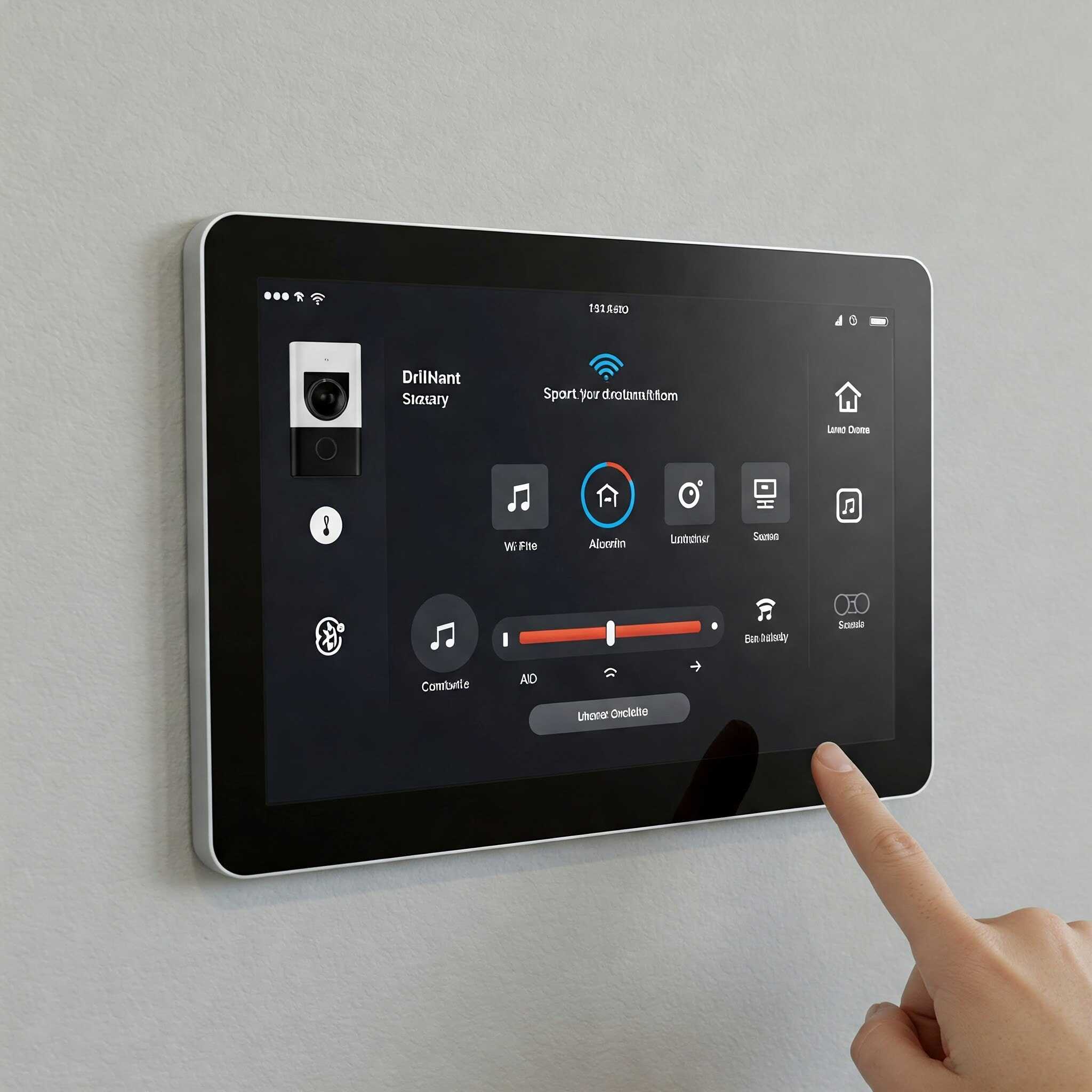
Smart home hubs serve as the central command center for your automated shade system, translating commands between different protocols and platforms. Popular hubs include Samsung SmartThings, Hubitat, Control4, and built-in capabilities from devices like Apple TV or Amazon Echo Plus.
Matter motor shades need a Matter-compatible smart home hub with Thread BorderRouter functionality, working with various certified platforms like Alexa, Google Home, and Apple Home. The choice of hub affects which features and integrations become available for your smart shade system.
Professional-grade systems like Control4 and Crestron offer extensive customization and integration capabilities, making them popular choices for luxury Miami homes. Hardwired systems like Control4 provide permanent and customizable home automation through professional installation, integrating into the home’s wiring infrastructure for greater reliability and performance.
For DIY installations, hubs like SmartThings and Hubitat provide powerful automation capabilities without requiring professional installation. These systems support multiple protocols including Zigbee, Z-Wave, and Wi-Fi, allowing integration with various shade brands and other smart home devices.
Professional motorized shade systems can connect with 14 different smart home systems including Alexa, Google, and Control4, allowing you to raise and lower shades from across town or anywhere in the world. This remote capability proves valuable for Miami homeowners who travel frequently or have vacation properties.
Hub selection should consider your technical comfort level, integration requirements, and long-term smart home goals. Professional installations ensure stable and secure connections ideal for homeowners seeking seamless, high-performance smart home experiences with future-proof reliability.
Many modern smart shades also offer direct Wi-Fi connectivity, bypassing the need for a separate hub while still providing smartphone app control and voice assistant integration. Some systems require no extra hub or app, allowing direct integration with existing smart home platforms, simplifying setup for homeowners who prefer streamlined solutions.
Integrating smart window shades with Alexa, HomeKit, and Matter protocols creates a reliable, future-proof automation system that enhances comfort while addressing Miami’s unique climate challenges. The key lies in choosing the right combination of local and cloud control, selecting compatible hardware, and setting up intuitive voice commands that work seamlessly with your lifestyle.
With increasing affordability, wide compatibility, and tangible daily benefits, motorized shades are rapidly moving from a “nice to have” to a logical next step for anyone serious about home automation. For Miami homeowners, this technology provides essential storm preparation capabilities alongside year-round comfort and energy savings.
When you’re ready to transform your window treatments into an intelligent, responsive system that works reliably through hurricane season and beyond, we bring the expertise and premium products needed to create your ideal smart shade solution.
Article details:
Share:
Continue learning: