Miami's hottest window shade trends blend smart technology, energy savings, and hurricane-ready materials for the ultimate in style and function.
Share:

Summary:
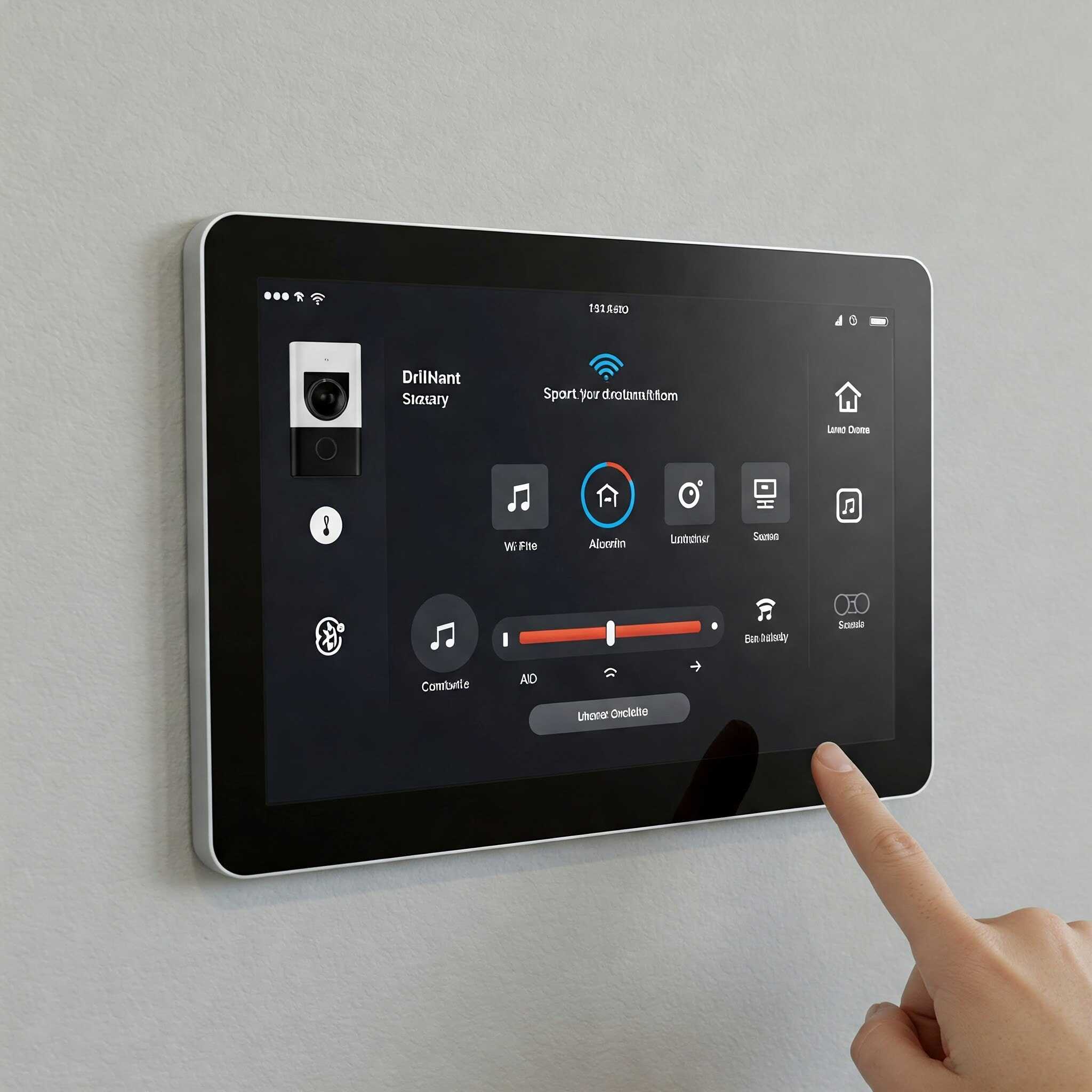
Motorized and voice assistant-compatible window treatments have become one of the leading trends, with systems like Hunter Douglas PowerView Automation allowing you to control your window coverings from anywhere in your home with the Pebble remote, PowerView app, or when paired with smart home devices.
This isn’t just about convenience—though being able to adjust your shades without getting out of bed is pretty nice. For Miami’s large windows and hard-to-reach installations, motorized systems solve the real problem of manually adjusting blinds throughout the day, especially when you’re constantly managing light and privacy.
The technology has evolved beyond basic remote control. Modern systems integrate with multi-zone climate control, allowing your window treatments to proactively manage solar heat gain throughout the day. Your shades can automatically close during peak sun hours and open when temperatures drop, working with your HVAC system instead of against it.
Motorized window treatments are compatible with Amazon Alexa, Google Home, Apple HomeKit and most other smart home systems like Crestron, Control 4, Savant, and Elan, letting you control your electric window treatments with your voice.
Miami homeowners are particularly drawn to scheduling capabilities that work with the city’s predictable sun patterns. Programmable scheduling offers advanced security features, allowing homeowners to simulate occupancy when away through automated opening and closing, while scheduling capabilities contribute to energy efficiency by optimizing natural light and temperature control.
The integration goes deeper than simple voice commands. Smart home systems can automatically adjust window coverings based on time of day, temperature, or sun position, creating scenes that close bedroom shades for sleep or open living room coverings when you arrive home, with complete technical setup and programming handled professionally.
For Miami’s luxury condo market, this technology addresses both lifestyle preferences and practical needs. The concept of smart homes is moving beyond mere gadgetry into fully integrated ecosystems that anticipate your needs, enhance well-being, and manage your environment with intuitive grace, particularly appealing to Miami homeowners at the forefront of adopting cutting-edge technologies.
Motorized window treatments are compatible with Amazon Alexa, Google Home, Apple HomeKit and most other smart home systems like Crestron, Control 4, Savant, and Elan, letting you control your electric window treatments with your voice.
Miami homeowners are particularly drawn to scheduling capabilities that work with the city’s predictable sun patterns. Programmable scheduling offers advanced security features, allowing homeowners to simulate occupancy when away through automated opening and closing, while scheduling capabilities contribute to energy efficiency by optimizing natural light and temperature control.
The integration goes deeper than simple voice commands. Smart home systems can automatically adjust window coverings based on time of day, temperature, or sun position, creating scenes that close bedroom shades for sleep or open living room coverings when you arrive home, with complete technical setup and programming handled professionally.
For Miami’s luxury condo market, this technology addresses both lifestyle preferences and practical needs. The concept of smart homes is moving beyond mere gadgetry into fully integrated ecosystems that anticipate your needs, enhance well-being, and manage your environment with intuitive grace, particularly appealing to Miami homeowners at the forefront of adopting cutting-edge technologies.
Want live answers?
Connect with a Miami Design Group expert for fast, friendly support.
Miami homeowners are discovering that the right window treatments can actually pay for themselves through federal tax incentives. The federal government offers energy tax credits on select energy-efficient Hunter Douglas Duette Honeycomb Shades, letting you earn 30% of the purchase price back in the form of a tax credit, up to a maximum annual amount of $1,200.
Select window shades qualify for federal energy tax credit as part of the Energy Efficient Home Improvement Credit under the Inflation Reduction Act of 2022, allowing homeowners to claim a tax credit of 30% of the cost of qualifying energy-efficient products, up to a maximum of $1,200 per year.
The science behind these savings is straightforward. The unique cell-within-a-cell design of Duette Honeycomb Shades traps air in distinct pockets, keeping your house warmer when temps dip and cooler when they heat up. In Miami’s climate, this translates to significant cooling cost reductions throughout the year.
The credit is 30% of the product cost, not including installation, with a maximum credit of $1,200, and to qualify, efficient window shades must meet the prescriptive criteria established by the most recent International Energy Conservation Code standard—for shades installed in 2023, they must meet or exceed the 2021 IECC standards for energy efficiency.
The federal energy tax credit is only available for window shades installed in your primary residence, and the tax credit cannot be used to offset the cost of installing the window shades. This makes it particularly attractive for Miami homeowners who are upgrading their primary residences.
The credit is awarded when the product is installed, not when it is paid for, so if you order and pay for the project in 2023 but installation occurs in 2024, you would claim the credit in 2024 only.
The eligibility extends beyond just honeycomb shades. Alta Window Fashions Honeycomb and Cellular Shades also qualify for the federal energy tax credit, earning 30% of the purchase price back up to $1,200 annually, designed to provide superior insulation at the window while helping lower monthly utility bills.
For Miami homeowners considering multiple room upgrades, the timing strategy becomes important. The overall total limit for efficiency tax credits in one year is $3,200, breaking down to $1,200 for any combination of home envelope improvements plus additional credits for HVAC equipment.
The most energy efficient window shades are those that help regulate temperature, with cellular shades, roller shades, and Roman shades providing insulation to keep warm air from escaping during winter and cool air from entering during summer, while also blocking UV rays that cause fading of furniture and artwork, with honeycomb shades offering superior insulation through their unique construction.
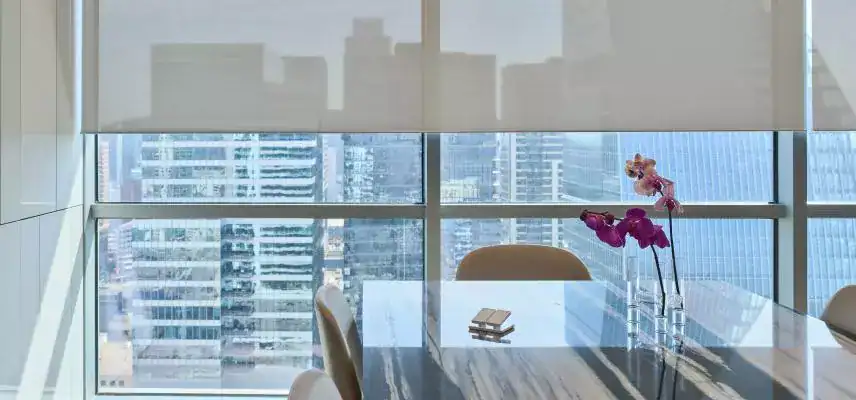
Miami’s intense sun makes UV protection particularly crucial. Motorized cellular shades or roller shades with UV-blocking fabrics provide maximum energy efficiency, reducing heat gain by up to 40% while maintaining your view. This performance directly translates to lower energy bills in a city where cooling costs dominate utility expenses.
Polywood shutters can conserve hot and cold air to a maximum of 30 degrees Fahrenheit, with energy-smart properties approved for a 2024 federal tax credit of up to $1200. These performance numbers aren’t just marketing claims—they represent measurable improvements in home energy efficiency.
The combination of energy performance and tax incentives creates a compelling value proposition. Window treatments can reduce energy consumption significantly in Miami’s climate where cooling is a major cost, with well-fitted shades or shutters acting as insulation to block solar heat before it enters your home, reducing strain on air conditioning and cutting utility bills over time, with custom treatments amplifying this benefit by eliminating gaps and optimizing coverage.
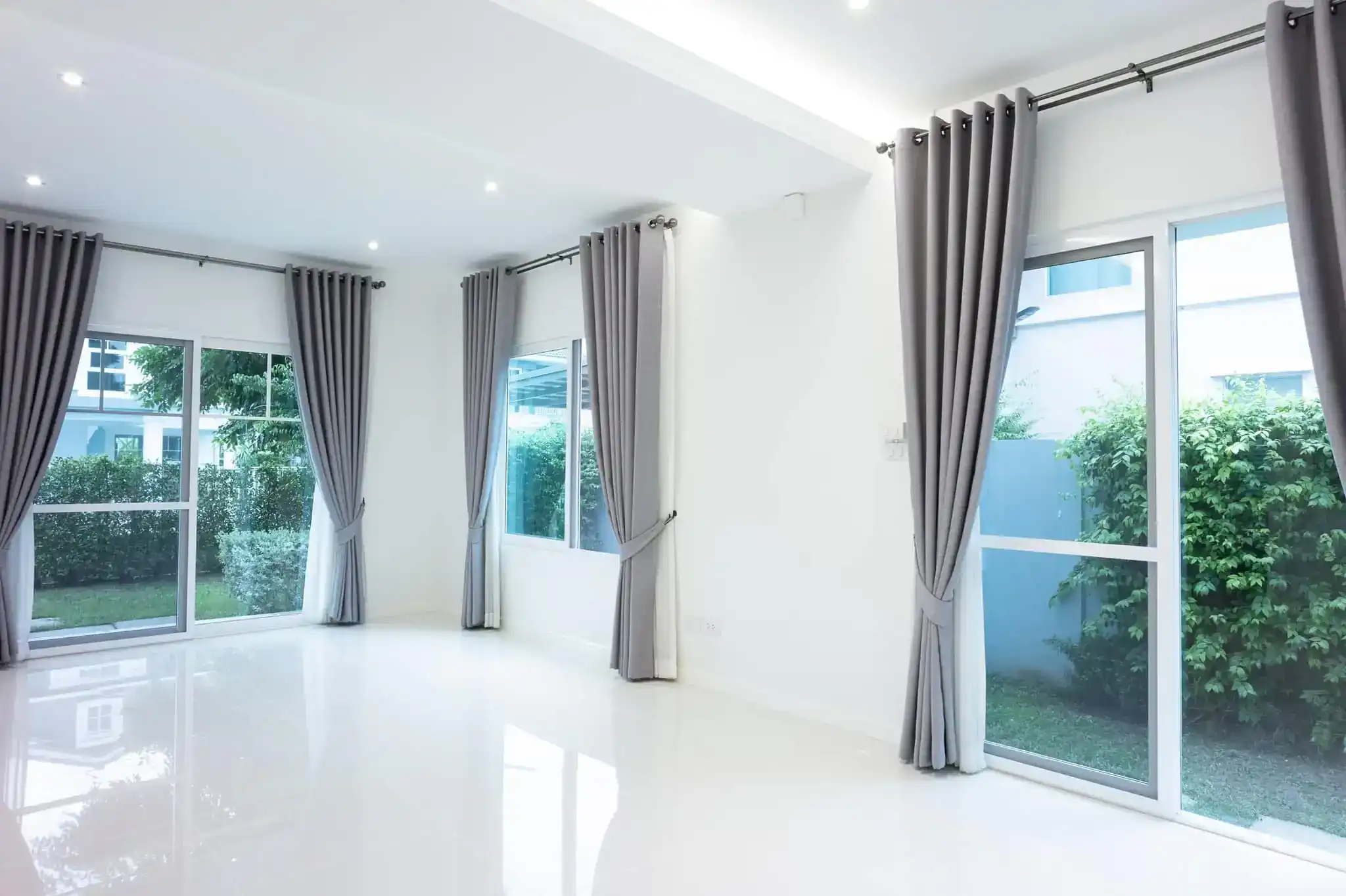
Miami’s unique combination of intense sun, humidity, and hurricane risk requires window treatments that go beyond standard solutions. With intense sun, year-round heat, and humidity that can challenge any material, the right choice of blinds, shades, or curtains is as much about function as aesthetics, which is why many homeowners are turning to custom window treatments instead of settling for off-the-shelf options that are built to handle the unique climate, architecture, and lifestyle of South Florida.
South Miami’s intense sun and humidity require specific materials and construction, with corrosion-resistant hardware and moisture-resistant fabrics that won’t warp or fade, plus hurricane-resistant options including reinforced mounting systems and impact-rated materials that meet South Florida building codes.
The investment in quality pays dividends beyond just aesthetics. Custom treatments solve the issues of poorly fitted treatments that leave gaps, warp under humidity, or fail to provide insulation against Miami’s heat, offering exact window measurements and materials that handle local conditions for longevity, energy savings, and design that actually enhances your home.
When you’re ready to explore these trends for your Miami home, we bring the expertise and product selection to make these solutions work in your specific space, handling everything from smart home integration to energy-efficient installations that qualify for federal tax credits.
Article details:
Share:
Continue learning: