From smart motorization to sustainable materials, 2025's window treatment trends blend technology with eco-conscious design for modern Miami living.
Share:
Summary:
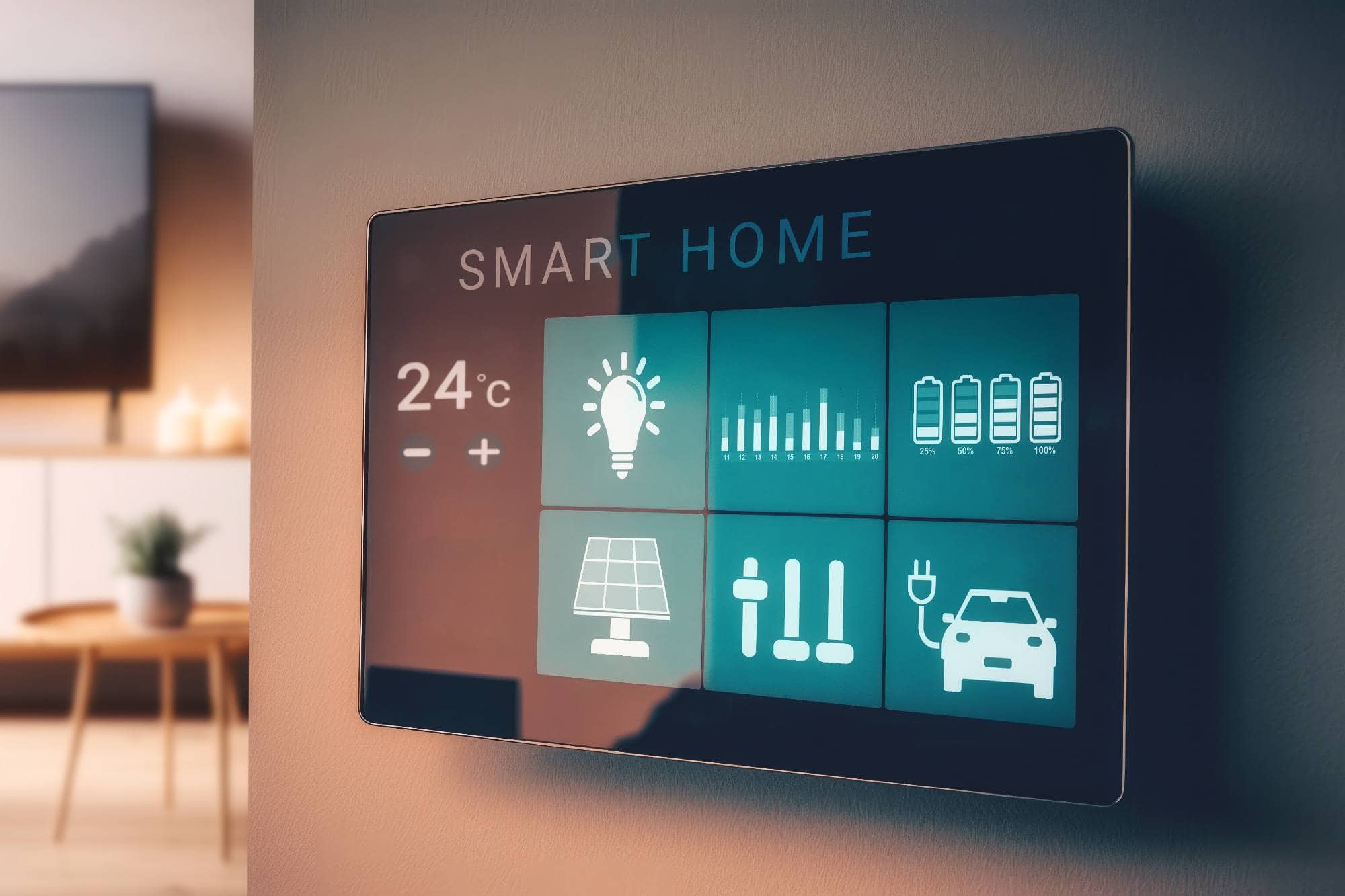
Martha Stewart’s prediction that motorized window treatments would become the standard in 2025 is proving accurate. The convenience factor has finally reached a tipping point where automation isn’t just nice to have—it’s expected.
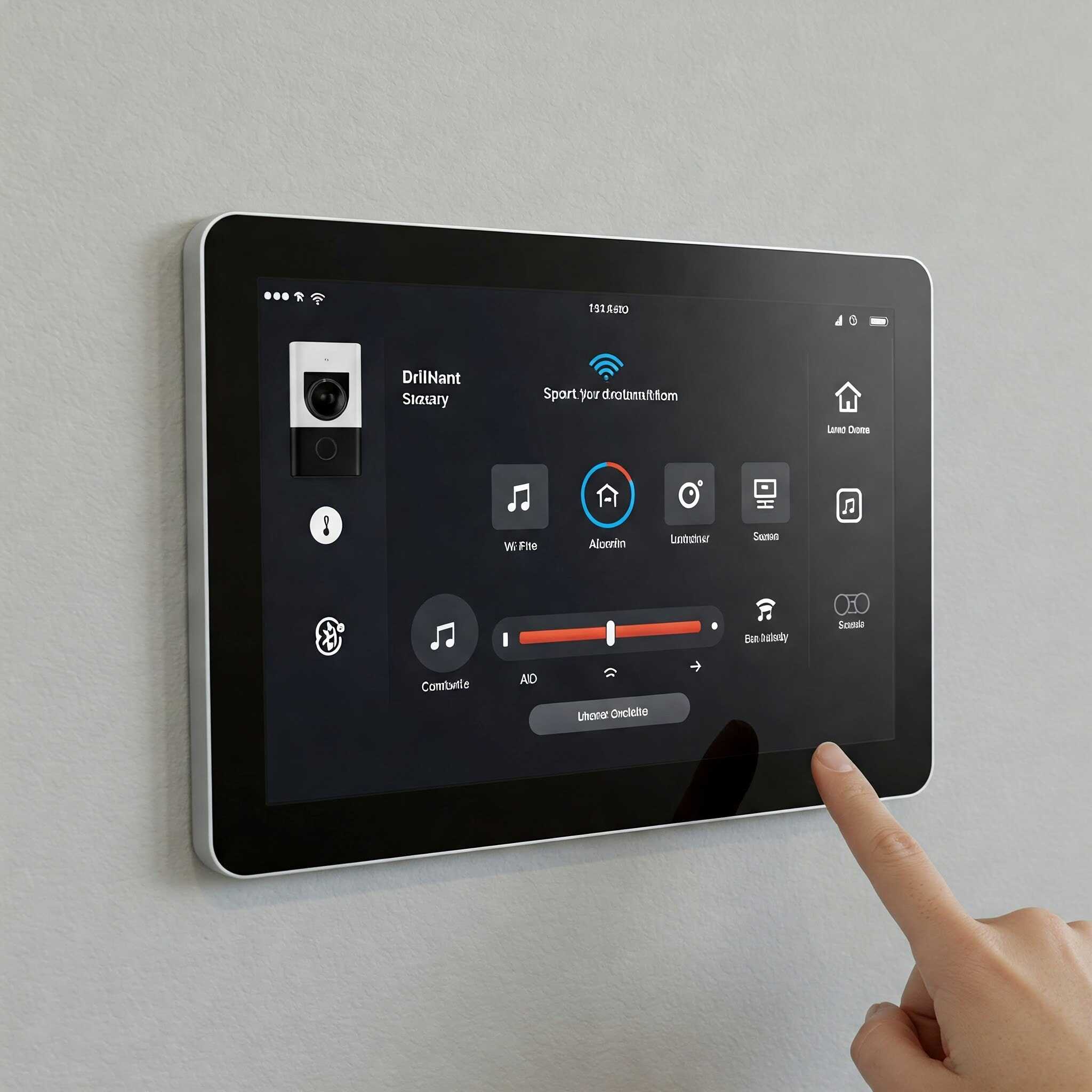
Modern motorized systems integrate seamlessly with Alexa, Google Home, and Apple HomeKit, letting you control your shades with simple voice commands. You can schedule them to open with sunrise or close during peak heat hours, creating an automated system that responds to your lifestyle.
The technology has also become more reliable and quieter. These systems eliminate the frustration of tangled cords and uneven operation that plague traditional blinds, offering smooth, precise control at the touch of a button.
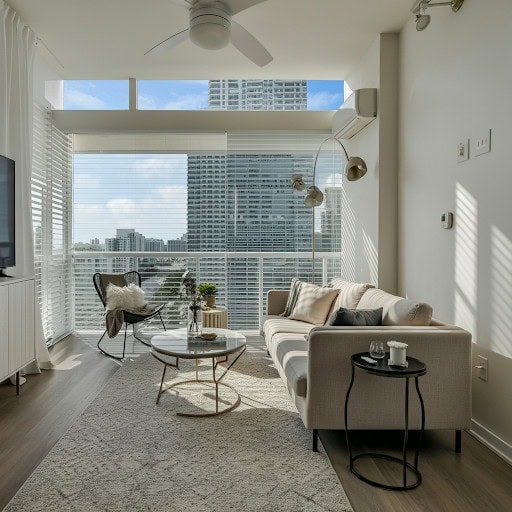
The integration capabilities of today’s motorized window treatments go far beyond basic remote control. Smart shades can be controlled via smartphone apps, tablets, or voice commands, giving you flexibility to adjust window coverings from anywhere in your home.
What makes 2025 different is the sophistication of these systems. Advanced scheduling features allow automatic adjustments throughout the day for optimal light and energy savings, with some systems reporting up to 25% energy savings. You can set different scenes for morning, afternoon, and evening, or create custom programs for weekdays versus weekends.
These systems are compatible with major home automation platforms, allowing seamless integration with your existing smart home setup. This means your window treatments can work in concert with your lighting, HVAC, and security systems to create a truly connected home environment.
The user experience has been refined to the point where even the least tech-savvy homeowners find these systems intuitive. Setup typically involves a simple app download and brief pairing process, after which the system learns your preferences and begins automating based on your patterns.
For Miami homeowners, this technology addresses specific local challenges. You can program shades to close during peak sun hours to reduce cooling costs, then automatically open in the evening to take advantage of cooler temperatures. The systems can even adjust based on weather forecasts, closing before storms or opening after they pass.
The integration capabilities of today’s motorized window treatments go far beyond basic remote control. Smart shades can be controlled via smartphone apps, tablets, or voice commands, giving you flexibility to adjust window coverings from anywhere in your home.
What makes 2025 different is the sophistication of these systems. Advanced scheduling features allow automatic adjustments throughout the day for optimal light and energy savings, with some systems reporting up to 25% energy savings. You can set different scenes for morning, afternoon, and evening, or create custom programs for weekdays versus weekends.
These systems are compatible with major home automation platforms, allowing seamless integration with your existing smart home setup. This means your window treatments can work in concert with your lighting, HVAC, and security systems to create a truly connected home environment.
The user experience has been refined to the point where even the least tech-savvy homeowners find these systems intuitive. Setup typically involves a simple app download and brief pairing process, after which the system learns your preferences and begins automating based on your patterns.
For Miami homeowners, this technology addresses specific local challenges. You can program shades to close during peak sun hours to reduce cooling costs, then automatically open in the evening to take advantage of cooler temperatures. The systems can even adjust based on weather forecasts, closing before storms or opening after they pass.
Want live answers?
Connect with a Miami Design Group expert for fast, friendly support.
Sustainability has moved from trend to standard practice in 2025, with eco-friendly materials and energy-conscious choices becoming central to window treatment design. This shift reflects both environmental awareness and the practical benefits these materials offer.
Natural materials like bamboo, hemp, and wood blinds are trending not just for their eco-friendly properties, but for their calming aesthetic and authentic warmth. These materials work particularly well in Miami’s climate, offering durability alongside environmental benefits.
The energy efficiency aspect has become more sophisticated. Modern insulated shades and thermal treatments help maintain consistent indoor temperatures, potentially lowering utility bills while reducing environmental impact. In Miami’s climate, this translates to real savings on cooling costs.
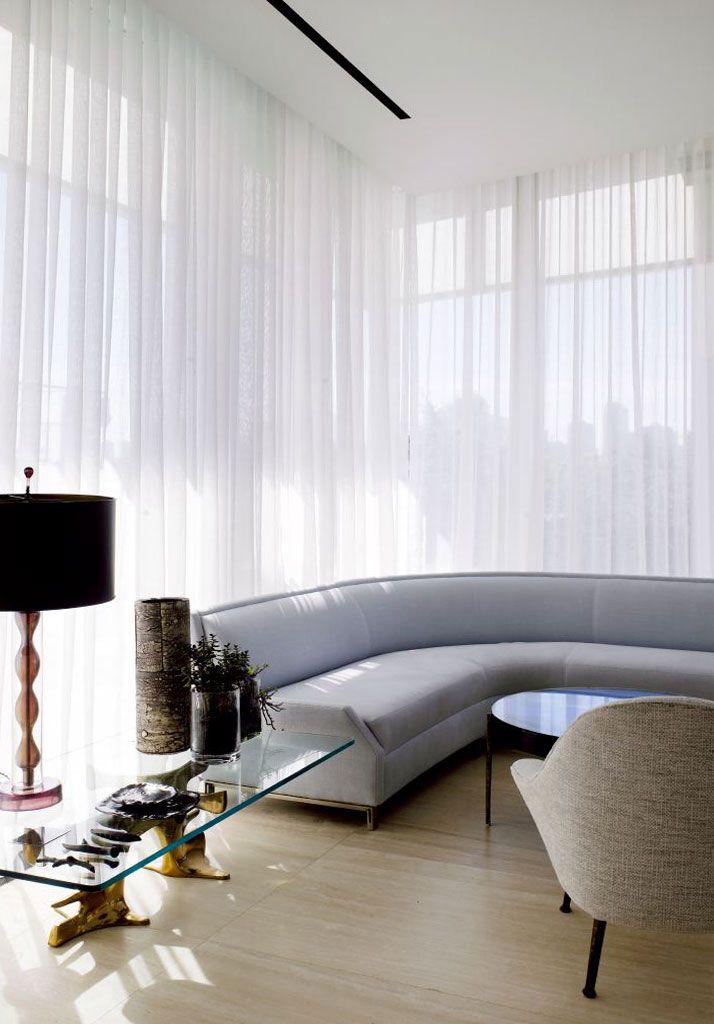
Cellular shades feature a honeycomb-shaped design engineered to trap air before it escapes through windows, providing excellent insulation properties. This design has evolved significantly, with manufacturers now offering multiple cell configurations for enhanced performance.
The insulation benefits are particularly relevant for Miami homeowners. Cellular shades with honeycomb cells can provide noticeable energy bill reductions by improving window insulation in Florida’s climate. The trapped air creates a barrier that helps keep conditioned air inside during the hot summer months.
Energy-efficient window treatments can help reduce home energy loss while providing comfort, with some homeowners seeing 15-25% savings on annual energy bills. The honeycomb structure is key to this performance, creating multiple air pockets that slow heat transfer.
Modern cellular shades also offer improved light control options. Top-down/bottom-up features, varying opacities, and room-darkening liners provide flexible light management while maintaining insulation properties. This versatility makes them suitable for different rooms and times of day.
The aesthetic appeal has improved as well. Popular styles include roller shades for sleek looks, Roman shades for elegance, and cellular shades for insulation, with pleated options offering textured appearances. The honeycomb structure is now available in various cell sizes and configurations, allowing for customization based on both performance needs and visual preferences.
Maintenance considerations have also been addressed. Sustainable materials that are durable and easy to clean ensure window treatments remain functional and attractive for years. This longevity supports both economic and environmental goals by reducing replacement frequency.
Bamboo stands out as one of the most sustainable materials available, growing incredibly fast with some species reaching a meter per day, making it a rapidly renewable resource with a smaller environmental footprint than traditional hardwoods.
Materials like bamboo, reeds, jute, and sustainably harvested real wood reduce environmental harm, with natural fibers being completely biodegradable for end-of-lifecycle disposal. This addresses the full environmental impact, not just the production phase.
Recycled materials have also advanced significantly, with faux wood blinds made from specially formulated recycled content that can be recycled again, and EcoGreen shades using PVC-free, 100% recyclable fabrics that meet LEED certification requirements.
The durability factor has improved substantially. Sustainable forestry practices ensure hardwood supplies are maintained responsibly, with nearly twice as much hardwood growing as is harvested annually, resulting in North American forests that are 90% larger today than 50 years ago.
Eco-friendly finishes made from natural plant oils and vegetable waxes provide safe alternatives to traditional chemical finishes, while penetrating deeply for durability and long-lasting color. These finishes maintain the performance characteristics homeowners expect while eliminating harmful chemicals.
GREENGUARD Gold certification ensures low chemical emissions, with products tested to ensure cleaner indoor air and fewer health risks. This certification has become increasingly important as homeowners recognize the connection between indoor air quality and health.
The aesthetic possibilities with sustainable materials have expanded dramatically. Eco-friendly options are available in wide varieties of styles, colors, and textures, from natural wood blinds and shutters to organic linen curtains and recycled polyester shades. This variety ensures that choosing sustainable materials doesn’t mean compromising on design vision.
The window treatment trends for 2025 reflect growing demand for smart, sustainable, and personalized design solutions that create homes that are stylish, functional, and environmentally responsible. The key is understanding which innovations align with your specific needs and lifestyle.
Smart motorization offers genuine convenience and energy savings, particularly valuable in Miami’s climate where automated sun control can significantly impact cooling costs. 2025 presents ideal timing for energy-efficient upgrades, with available rebates and incentives making these investments more accessible.
Sustainable materials have evolved beyond basic eco-friendly options to deliver performance and aesthetics that rival traditional materials. The combination of environmental responsibility and practical benefits makes these choices increasingly compelling for homeowners who want both style and substance.
For personalized guidance on incorporating these trends into your Miami home, we offer the expertise to navigate these options and create solutions that truly work for your space and lifestyle.
Article details:
Share:
Continue learning: