
Hear from Our Customers
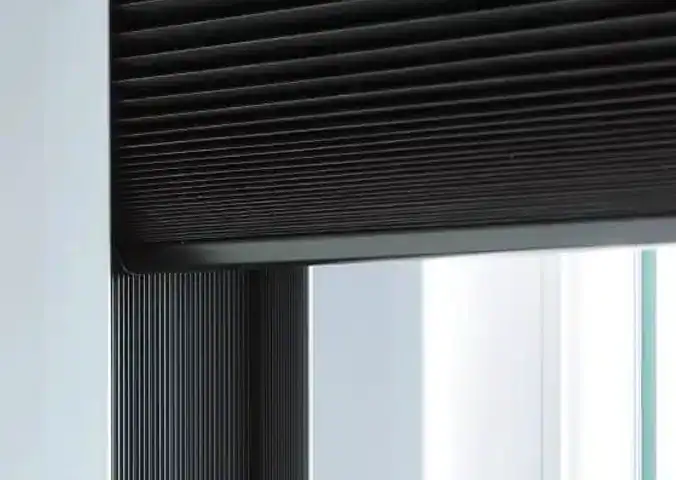
Your AC won’t run as hard. That’s the first thing you’ll notice after installing Hunter Douglas shades in your Coral Gables home.
Florida’s extended cooling season means your air conditioning works overtime for most of the year. Hunter Douglas cellular shades create an insulating barrier at your windows—the exact spots where your cooled air escapes and heat pours in. You’re looking at potential savings of $300-400 annually, and in larger homes with more window exposure, even more.
Your furniture stops fading. Your floors keep their color. UV rays are brutal in South Florida, and they don’t just make your home uncomfortable—they destroy your investment in quality furnishings. Hunter Douglas fabrics block up to 99% of harmful UV rays while still letting you control how much natural light comes through.
You get actual control over your environment. Motorized shades with PowerView automation mean you can schedule your window treatments to close during peak afternoon heat, keeping your home cooler without thinking about it. Open them in the morning for natural light, close them before the sun hits that western exposure, adjust them from your phone when you’re not home.
We’re based in Hallandale Beach, which means we understand exactly what South Florida’s climate does to window treatments. The humidity, the salt air, the temperature swings, the afternoon storms—we’ve seen what works and what fails within months.
Miami Design Group brings over 15 years of experience from our established operations in New York City and Toronto. We’re not new to high-end window treatments. We’re new to Florida, and we’re applying everything we’ve learned to homes that face unique environmental challenges.
We work exclusively with Hunter Douglas because they manufacture window shades that last in demanding climates. Coral Gables homes—especially those beautiful Mediterranean-style properties—deserve window treatments that respect the architecture while actually improving comfort and efficiency. That’s what you get when you work with an authorized Hunter Douglas dealer who understands both the product and the local market.
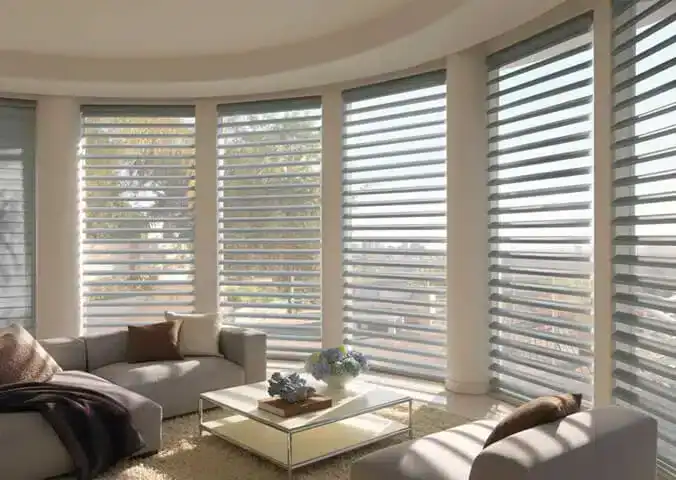
You schedule a consultation, and we come to your home in Coral Gables. We’re looking at your windows, yes, but we’re also looking at sun exposure, room usage, your cooling costs, and what you actually need these shades to do. This isn’t about showing you a catalog—it’s about understanding your specific situation.
We measure precisely. Hunter Douglas shades are custom-manufactured to your exact window dimensions, so accuracy matters. We’re also discussing fabric options, opacity levels, and whether motorization makes sense for your lifestyle and budget.
Manufacturing takes 2-3 weeks typically. Hunter Douglas builds your shades to order, which means you’re getting exactly what you specified—not something pulled from warehouse stock.
Installation happens in one visit for most homes. We’re using methods and materials designed for South Florida conditions. That means accounting for humidity, using appropriate mounting hardware, and making sure motorized systems integrate properly with your home’s setup. You’re not dealing with shades that warp, motors that fail in the heat, or installations that don’t hold up during storm season.
After installation, you get a walkthrough of operation and care. If you’ve chosen PowerView automation, we make sure you understand how to program and control your shades. Then we clean up and you’re done.
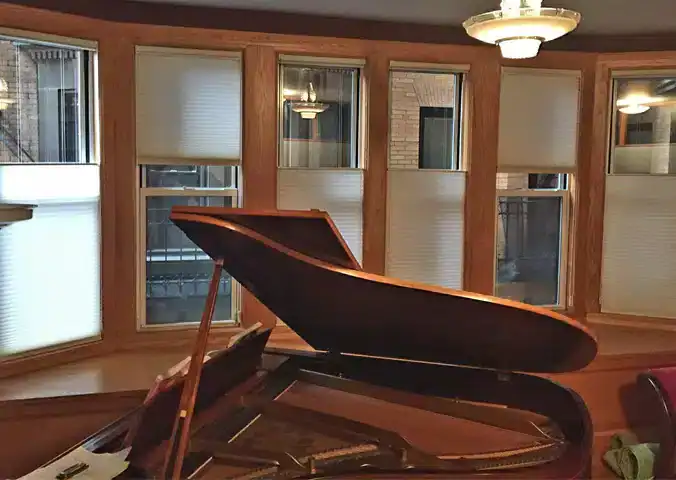
Ready to get started?
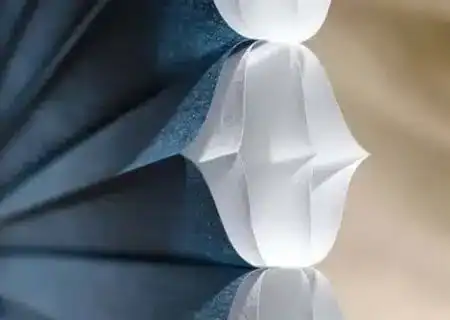
Hunter Douglas cellular shades—specifically the Duette line—are engineered with honeycomb structures that trap air. That trapped air creates insulation at your windows. In Coral Gables, where your AC runs nearly year-round, this translates to measurable energy savings. You’re not just buying window coverings. You’re buying a reduction in your monthly utility bills.
The fabric selection matters more than most people realize. You can choose sheer fabrics that filter light while maintaining your view, light-filtering fabrics that provide privacy during the day, or blackout options for bedrooms. For western exposures that get hammered by afternoon sun, solar shades with high UV protection make a noticeable difference in room temperature.
Motorization isn’t just convenient—it’s practical for Florida living. Large windows, high windows, and hard-to-reach installations become easy to operate. You can set schedules so your shades automatically adjust throughout the day, maximizing energy efficiency without requiring you to think about it. PowerView automation integrates with most smart home systems, meaning voice control and app control are both options.
Coral Gables homes often feature architectural details that require custom solutions. Arched windows, bay windows, French doors—Hunter Douglas manufactures shades for specialty shapes and sizes. You’re not compromising your home’s character to get functional window treatments.
The warranty and durability matter in this climate. Hunter Douglas backs their products, and when properly installed, these shades hold up to humidity, salt air, and temperature fluctuations that destroy lesser products. You’re making a one-time investment, not replacing window treatments every few years.
The Department of Energy estimates that cellular shades can reduce heat gain by up to 80% in summer months. In Coral Gables, where you’re running AC from March through November, that reduction translates to real money.
Most homeowners see annual savings between $300-400 on cooling costs after installing Hunter Douglas cellular shades throughout their home. Larger homes with significant window exposure can save even more. The key is the honeycomb construction—it creates an insulating air pocket between your window and your room, keeping heat out and cooled air in.
The savings are most dramatic on windows with direct sun exposure, particularly southern and western facing windows. If you’ve ever noticed certain rooms in your home are harder to cool, that’s where properly insulated window treatments make the biggest impact. You’re not just making your home more comfortable—you’re reducing the load on your HVAC system, which can extend its lifespan and reduce maintenance costs over time.
Motorized shades operate via remote control, smartphone app, or voice command through systems like Alexa or Google Home. Manual shades use a cord or cordless lift system that you operate by hand. The functional difference is convenience and automation capability.
Here’s where motorization makes practical sense in Coral Gables: you can program your shades to close automatically during peak afternoon heat, reducing your cooling costs without having to remember to do it manually. You can control hard-to-reach windows without a ladder. You can adjust all your shades at once instead of going room to room.
PowerView automation from Hunter Douglas lets you create schedules based on time of day or sun position. Your shades can open gradually in the morning for natural light, close during the hottest part of the afternoon, and open again in the evening. If you’re away from home, you can control them remotely—useful both for energy management and security.
The cost difference is significant—motorization typically adds $300-600 per shade depending on size and system. But for large windows, high installations, or homes where you want smart home integration, it’s often worth it. You can also mix manual and motorized in the same home, putting motors on the windows where they provide the most value.
From consultation to installation, you’re looking at 3-4 weeks typically. That breaks down into a few distinct phases.
The initial consultation and measuring takes about an hour for an average-sized home. We’re measuring your windows, discussing your needs, and helping you select the right fabrics and operating systems. Once you approve the quote, we place your order with Hunter Douglas.
Manufacturing takes 2-3 weeks because these are custom-made shades built to your exact specifications. Hunter Douglas doesn’t stock standard sizes—every shade is manufactured specifically for your windows. This ensures a perfect fit but requires production time.
Installation typically happens in one day for most homes. A house with 10-15 windows usually takes 4-6 hours depending on complexity. If you’re doing motorization, we’re also programming your PowerView system and making sure everything integrates properly with your smart home setup if you have one.
The timeline can be shorter for rush orders or longer if you’re ordering specialty shapes or doing a large commercial project. But for a typical Coral Gables home, plan on about a month from decision to completion.
Yes, when properly selected and installed. Hunter Douglas engineers their products for various climates, and we select materials and installation methods appropriate for South Florida conditions.
The fabrics themselves are designed to resist moisture, fading, and temperature fluctuations. Cellular shades use polyester materials that don’t warp or deteriorate in humidity the way some natural materials do. The operating mechanisms are sealed and designed to function in high-humidity environments. You’re not going to see the corrosion or failure that happens with cheaper window treatments.
Installation matters as much as the product. We use mounting hardware and techniques that account for humidity and temperature expansion. Windows in Florida homes experience more movement than windows in northern climates, and the installation needs to accommodate that. Improper installation is usually why window treatments fail prematurely in this climate.
For coastal areas where salt air is a factor, we pay extra attention to hardware selection and make sure any motorized components are properly sealed. Hunter Douglas backs their products with warranties, but those warranties assume proper installation by an authorized dealer. That’s not just marketing—it’s recognition that installation quality directly impacts product performance in demanding environments.
You should expect Hunter Douglas shades to last 10-15 years or more in Florida when properly maintained. That means occasional dusting, following care instructions, and not forcing mechanisms if something seems stuck. The investment is higher upfront than budget options, but you’re not replacing them every few years.
Yes. Hunter Douglas manufactures shades for arched windows, angle-top windows, skylights, French doors, and other specialty shapes common in Coral Gables architecture.
Arched windows are particularly common in Mediterranean-style homes, and Hunter Douglas offers several solutions. You can do a stationary shade that stays in place as a design element, or an operable shade that follows the arch and actually opens and closes. The approach depends on the window size, shape, and how you want to control light.
Skylights and ceiling windows can use motorized cellular shades that are specifically designed for horizontal installation. These are practical in Florida where skylight heat gain is significant. You’re not climbing up to manually operate them—they’re controlled via remote or automation.
Bay windows, bow windows, and corner windows can be fitted with individual shades or a unified system depending on your preference. French doors can use shades mounted directly to the door frame so they move with the door, or mounted above as a single shade covering the entire door.
The key is working with someone who measures correctly and understands what Hunter Douglas actually manufactures. Not every window treatment company has experience with specialty shapes, and incorrect specifications mean delays and potential fit issues. We measure these windows carefully, often using specialized tools for arched or angled shapes, and we verify measurements before ordering because custom specialty shades can’t be returned or easily modified.
Solar shades are designed primarily for sun control and UV protection while maintaining your view. Cellular shades are designed primarily for insulation and energy efficiency. Both reduce heat, but they do it differently and serve different purposes.
Solar shades use a screen-like fabric with varying degrees of openness. A 5% openness fabric blocks 95% of UV rays while still letting you see outside. A 1% openness blocks 99% of UV rays but reduces your view slightly. These are ideal for rooms where you want to reduce glare and heat without losing your view—living rooms with water views, home offices where screen glare is an issue, or any space where you want daytime privacy without complete darkness.
Cellular shades use a honeycomb structure that traps air for insulation. They’re better at actually reducing heat transfer through your windows, which means better energy savings. They come in sheer, light-filtering, and blackout options. You can see through sheer cellular shades during the day, but they don’t maintain your view the way solar shades do. These are ideal for bedrooms, rooms where you want more privacy, or any window where energy efficiency is the priority.
For Coral Gables homes, we often recommend using both. Solar shades on large windows with views where you want sun control without losing the view. Cellular shades on bedrooms and rooms where insulation and privacy matter more than maintaining the view. You can also layer them—solar shades for daytime sun control, cellular shades for nighttime privacy and insulation.
The cost is comparable for both, though cellular shades with motorization tend to run slightly higher. The decision comes down to what you need each window to do. We typically walk through your home and recommend specific products for specific windows based on sun exposure, room usage, and what you’re trying to accomplish.