
Hear from Our Customers
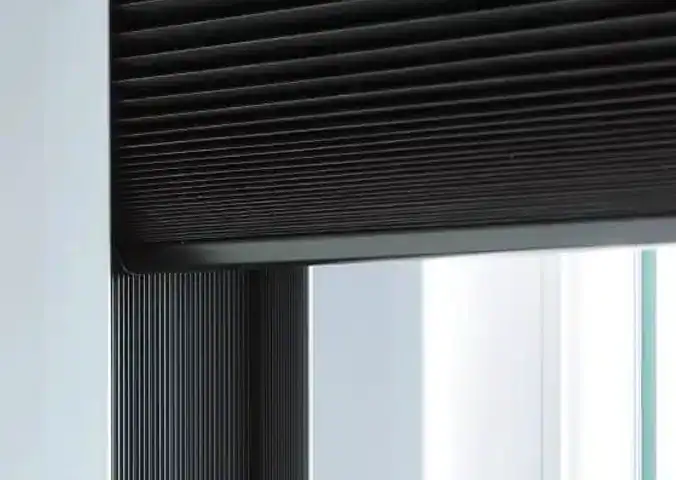
Your air conditioning stops running constantly. That’s the first thing most Coral Hills homeowners notice after we install Hunter Douglas shades—the system cycles less, the house stays comfortable, and the electric bill drops.
The second thing you’ll notice is how much cooler your rooms feel, even with Florida sun beating down on those south-facing windows. Hunter Douglas Duette Honeycomb Shades create an insulating barrier that blocks heat before it enters your home. The Department of Energy confirms homeowners save up to 15% annually on energy bills with these shades, and in South Florida’s climate, that number often climbs higher.
Then there’s the light control. You’re not choosing between darkness and glare anymore. You get soft, filtered light that doesn’t wash out your TV screen or create hot spots on your floor. Your furniture stops fading. Your artwork stays vibrant. And if you add PowerView automation, your shades adjust themselves throughout the day based on the sun’s position—no app required once you set your preferences.
Select energy-efficient models qualify for a federal tax credit worth up to $1,200. That’s not a rebate you apply for later—it’s a credit that reduces what you owe when you file taxes.
Miami Design Group is a certified Hunter Douglas dealer serving Coral Hills and surrounding South Florida communities. We’re not a franchise following a corporate playbook—we’re a local design company that understands how Mediterranean-style homes function in this climate.
We know your windows are larger than average. We know your cooling costs spike in summer. We know humidity affects how window treatments perform over time. That’s why we measure twice, custom-manufacture each shade for your exact dimensions, and install with mounting techniques that account for Florida’s storms and moisture.
Our team includes certified technicians who program PowerView systems and integrate them with your existing smart home setup. We’re also launching Roller Shade USA, our own manufacturing operation, which means faster turnaround times and direct quality control on every product we install.
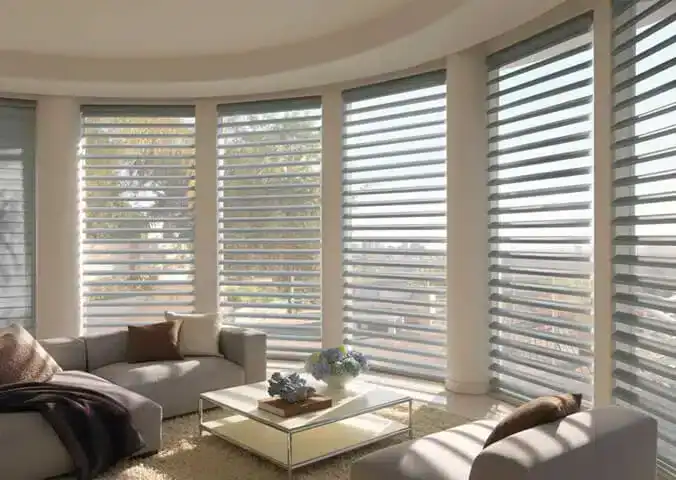
We start with an in-home consultation where we measure your windows, assess your light control needs, and discuss your budget. You’ll see physical samples of different Hunter Douglas shade styles—cellular, roller, Roman—so you understand exactly what you’re getting. We talk through motorization options if you’re interested, including PowerView automation that controls up to 60 shades from one system.
Once you approve the design and pricing, we order your custom shades manufactured to your exact window dimensions. Hunter Douglas builds each shade specifically for your home—nothing comes pre-made or gets trimmed to fit on-site.
Installation day is straightforward. Our certified technicians mount each shade with techniques designed for South Florida’s humidity and storm conditions. If you’re adding motorization, we program the entire system, set up any smart home integrations, and walk you through the controls before we leave. You’re not figuring this out from a manual—you’ll know how to operate everything before we pack up.
Every Hunter Douglas shade comes with a lifetime warranty. If something breaks, they fix it at no cost to you. We handle the warranty claim process if needed, but in most cases, these shades simply work for decades without issue.
Ready to get started?
You’re getting custom window coverings measured and manufactured for your exact window dimensions. That means better insulation, cleaner lines, and shades that last longer because they’re not fighting against improper sizing.
Coral Hills homes face specific challenges—intense afternoon sun from the west, high humidity year-round, and occasional hurricane-force winds that test every mounting point. We account for all of this during installation. Your shades get mounted securely with hardware rated for Florida conditions, and if you’re in a coastal area, we use corrosion-resistant components that won’t degrade from salt air.
Motorization is increasingly popular because the technology has improved while costs have dropped. PowerView automation learns your schedule and adjusts shades automatically. You can create scenes like “Good Morning” that opens bedroom shades gradually, or “Movie Night” that closes all shades with one command. The system integrates with Alexa, Google Home, and most smart home platforms you’re already using.
Energy efficiency is measurable with Hunter Douglas products. These aren’t marketing claims—the Attachments Energy Rating Council certifies the energy performance of Hunter Douglas shades, making them the first window covering company to secure national energy ratings. When you see potential savings of 15-25% on cooling costs, those numbers come from actual testing, not estimates.
For a standard 36″ x 72″ window, Hunter Douglas shades typically range from $300 to $2,300 per window depending on the style and features you choose. Basic manual cellular shades start around $300-400 per window. Mid-range options with upgraded fabrics and light-filtering capabilities run $600-900. Motorized shades with PowerView automation cost $1,200-2,300 per window.
Most Coral Hills homes have 10-15 windows that need treatment, putting total project costs between $6,000 and $20,000 for whole-home installations. That sounds like a significant investment until you factor in energy savings of $200-400 annually, plus the federal tax credit of up to $1,200 for qualifying energy-efficient models.
The price reflects what you’re actually getting—custom manufacturing, professional installation by certified technicians, lifetime warranty coverage, and products engineered specifically for Florida’s climate. Cheaper alternatives exist, but they won’t deliver the same energy performance or durability in South Florida’s heat and humidity.
Yes, but the savings depend on how you use them. Hunter Douglas Duette Honeycomb Shades can reduce heat gain by up to 25% when properly deployed during peak sun hours. In Coral Hills, where summer temperatures regularly exceed 90°F and humidity tops 80%, that translates to your air conditioning running significantly less.
The Department of Energy’s National Laboratories found homeowners save up to 15% annually on energy bills with energy-efficient cellular shades. For a typical Coral Hills home spending $250-350 monthly on cooling during summer, that’s $450-630 in annual savings. Motorization maximizes these savings because your shades adjust automatically based on sun position—they close before your rooms heat up, not after you notice the temperature rising.
PowerView automation also extends your HVAC system’s lifespan by reducing how often it cycles on and off. When your air conditioner isn’t fighting against solar heat gain all afternoon, it experiences less wear and requires fewer repairs. Factor in the federal tax credit of up to $1,200 for qualifying models, and most homeowners see payback within 3-5 years even on premium motorized systems.
Hunter Douglas shades aren’t hurricane shutters—they won’t protect your windows from flying debris or pressure changes during a major storm. But they’re engineered to withstand Florida’s climate conditions better than standard window treatments, and our installation techniques account for high winds and moisture.
We use mounting hardware rated for coastal environments and secure each shade with techniques designed for South Florida’s humidity and occasional severe weather. The shades themselves won’t blow off or get damaged by normal tropical storms and heavy rain. If you’re evacuating for a hurricane, you’d still need to protect your windows with shutters or impact-rated coverings.
What Hunter Douglas shades do protect against is the daily wear that comes from intense UV exposure, high humidity, and temperature fluctuations. Florida’s climate deteriorates standard window treatments quickly—fabrics fade, mechanisms corrode, and mounting points loosen from moisture. Hunter Douglas products use UV-resistant fabrics, corrosion-resistant components, and moisture-tolerant materials that maintain performance for decades in conditions that destroy cheaper alternatives within a few years.
PowerView is Hunter Douglas’s automation system that controls your shades through a central hub connected to your home’s WiFi. You set schedules and preferences through an app, and the system operates your shades automatically from that point forward. It’s not complicated—most homeowners set it up once and rarely touch the app again.
The system learns your patterns and adjusts based on sunrise, sunset, and your daily routine. You can control up to 60 individual shades from one hub, creating scenes that operate multiple shades simultaneously. “Leaving Home” might close all shades for security and energy efficiency. “Working From Home” might adjust office shades to reduce screen glare while keeping living room shades open for natural light.
PowerView integrates with Alexa, Google Home, Apple HomeKit, and most major smart home platforms. You can add voice control or incorporate shade adjustments into broader automation routines—like having your shades open gradually when your smart thermostat detects you’re awake, or closing automatically when your security system arms at night. The system runs on rechargeable batteries that last 3-5 years, or you can hardwire shades during installation for permanent power.
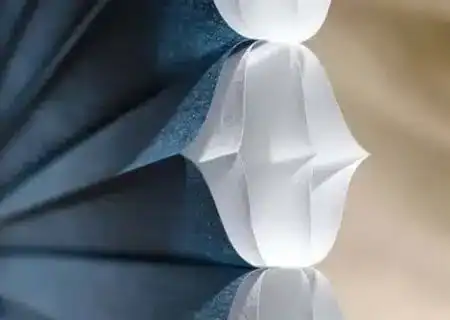
Cellular shades (also called honeycomb shades) have a distinctive hexagonal structure that traps air and creates insulation. They’re the most energy-efficient option Hunter Douglas offers and the best choice for Coral Hills homeowners focused on reducing cooling costs. The cellular design blocks heat transfer in both directions—keeping hot air out during summer and conditioned air in year-round.
Roller shades are simpler—a single piece of fabric that rolls up and down on a tube mechanism. They offer cleaner lines and work well for modern homes or large windows where you want unobstructed views when the shades are open. Hunter Douglas roller shades come in various opacities from sheer (filters light while maintaining views) to blackout (complete darkness and privacy).
For South Florida’s climate, cellular shades deliver better energy performance because of that insulating air pocket. But roller shades are easier to clean, more durable in high-traffic areas, and often less expensive. Many Coral Hills homeowners use cellular shades on south and west-facing windows where heat gain is highest, then install roller shades on north and east windows where energy efficiency matters less than aesthetics and view preservation.
No—only specific energy-efficient models qualify for the federal tax credit, and you need to verify current eligibility before purchasing. As of recent tax years, select Hunter Douglas Duette Honeycomb Shades qualify for up to $1,200 in tax credits under energy efficiency incentive programs, but the models and credit amounts change as legislation updates.
The credit applies to shades that meet specific energy performance standards certified by the Attachments Energy Rating Council. Hunter Douglas was the first window covering manufacturer to secure these national energy ratings, which is why their products qualify when most competitors’ don’t. You’ll need documentation proving the shades meet efficiency requirements—we provide this paperwork at installation.
This is a tax credit, not a deduction, which means it directly reduces what you owe the IRS dollar-for-dollar. If you owe $3,000 in taxes and claim a $1,200 credit for qualifying shades, you now owe $1,800. You claim it when filing your annual return, and it applies to the year you installed the shades. We recommend consulting your tax professional to confirm current eligibility and ensure you’re claiming it correctly, but we’ll provide all the product documentation and proof of installation you need to support your claim.