
Hear from Our Customers
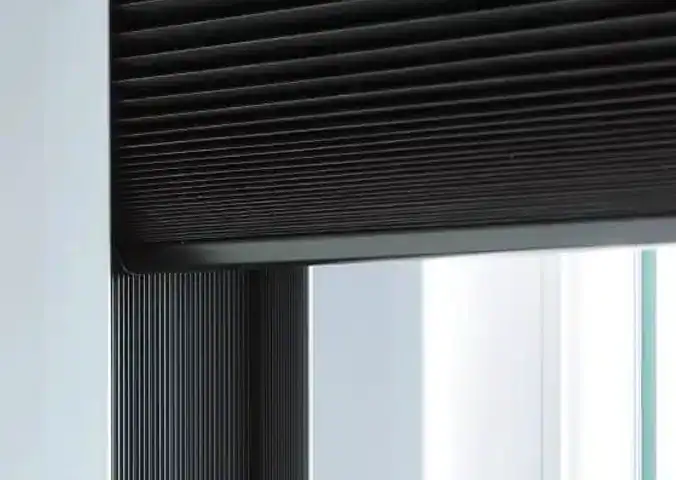
You’ll notice the difference in your home’s temperature within days. Rooms that used to feel like greenhouses by afternoon stay comfortable. Your air conditioner doesn’t run constantly trying to fight the sun pouring through every window.
The fading stops. That couch you bought two years ago doesn’t develop those telltale bleached spots on the armrests. Your hardwood floors keep their color evenly across the room instead of creating a patchwork of sun damage.
Your energy bills drop because cellular honeycomb shades reduce heat transfer through windows by over 60%. That’s not marketing talk—it’s measurable. When windows account for nearly 30% of your home’s cooling costs in Florida, that reduction matters. You’re not just buying window coverings. You’re installing a layer of climate control that works every single day.
We bring over 20 years of window treatment experience from our established businesses in New York and Toronto to South Florida. We’re based in Hallandale Beach, and we understand what Lake Belvedere Estates homeowners deal with—the relentless sun, the humidity that warps cheaper materials, the need for solutions that last longer than a few seasons.
We’re an authorized Hunter Douglas dealer, which means you’re getting genuine products with real warranties and professional installation. Not knockoffs. Not “comparable” alternatives that fail in two years.
We’ve worked with families in Lake Belvedere Estates who were tired of replacing window treatments every few years because they bought materials that couldn’t handle the climate. We’ve also worked with new homeowners taking advantage of the area’s median $359,000 home prices who want to protect their investment from day one. Both need the same thing: window shades that work in Florida’s environment, installed correctly the first time.
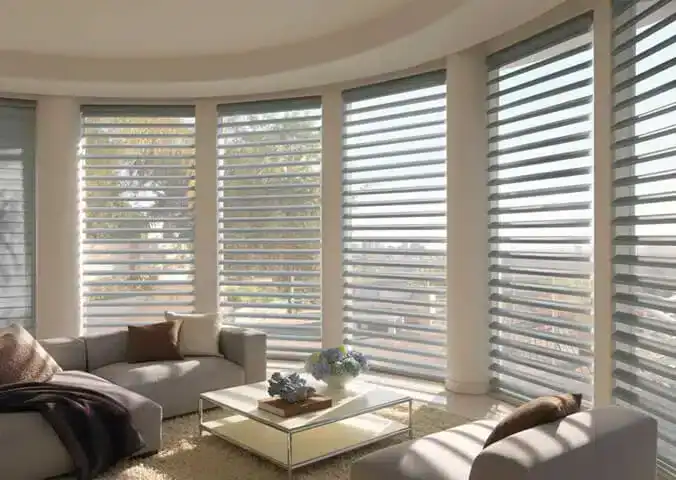
You start with a consultation where we actually measure your windows and talk about what’s not working now. Too much heat in certain rooms? Furniture fading? Trying to automate your home? We need to know what you’re dealing with to recommend the right Hunter Douglas shades for your situation.
We bring samples so you can see the actual materials, not just pictures on a screen. You’ll feel the difference between standard fabric and the moisture-resistant composites that hold up in Florida humidity. We’ll show you how cellular shades create insulating air pockets and how PowerView automation works if you want motorized control.
Once you decide, we handle the installation using techniques designed for South Florida homes. That means accounting for settlement, humidity, and the specific challenges of your window frames. The shades get installed correctly so they operate smoothly and seal properly. You’re not left with gaps that let heat pour in or mechanisms that jam after three months. We also walk you through operation and maintenance so you know exactly how to use what you just invested in.
Ready to get started?
Hunter Douglas offers different shade types because different windows need different solutions. Duette honeycomb shades are the energy efficiency workhorses—they’re the ones that qualify for up to $1,200 in federal tax credits. They trap air in cellular pockets to block heat transfer, which matters when Lake Belvedere Estates sees 237 days of sun annually and temperatures consistently above 90°F.
Silhouette and Pirouette shades give you light control with UV protection. You get natural light without the furniture damage. Roller shades work for large windows and sliding doors, especially when motorized—common in Florida homes with architectural windows or high ceilings.
The motorization isn’t just convenience. PowerView automation lets you schedule shades to close during peak sun hours automatically. You’re not home at 2 PM to manually close every shade, but your system is. That’s daily energy savings without thinking about it. Voice control through Alexa or Google integrates with smart home systems many Lake Belvedere Estates residents already use.
Materials matter here. We recommend moisture-resistant and humidity-proof options because real wood warps in Florida. Composite materials and PVC alternatives outlast traditional choices in coastal air and constant moisture. You’re seven miles from West Palm Beach—salt air is a factor even if you’re not directly on the water.
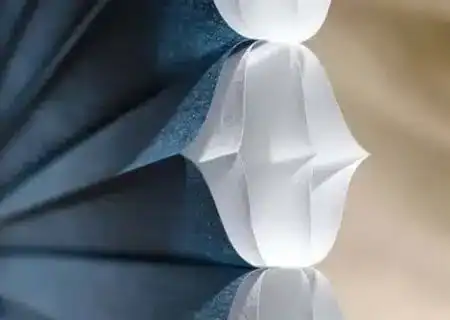
Cellular honeycomb shades can reduce heat gain through windows by over 60% when properly installed and used. In real terms, if your windows are responsible for 25-30% of your cooling costs—which is typical in residential homes—you’re looking at measurable monthly savings during Florida’s long cooling season.
The savings depend on how many windows you cover, which shades you choose, and how you use them. Motorized shades programmed to close during peak sun hours perform better than manual shades that stay open all day because you forgot to close them. South and west-facing windows see the biggest impact.
Hunter Douglas Duette honeycomb shades qualify for federal energy efficiency tax credits up to $1,200, which offsets some of your upfront cost. The long-term savings come from reduced AC runtime. Your system isn’t fighting solar heat gain all afternoon, which extends its lifespan and cuts your monthly bills.
Hunter Douglas shades are engineered with materials designed for extreme climates, including Florida’s constant humidity and intense UV exposure. The key is choosing the right product line and materials for your specific environment.
Cellular shades use synthetic fabrics that resist moisture, mold, and fading. They won’t warp like real wood blinds or trap moisture like heavy fabric drapes. Composite materials in products like their shutter lines are built specifically for humid coastal areas. We don’t recommend real wood in South Florida unless you’re willing to accept warping and cracking within a few years.
The installation method also affects longevity. We use climate-appropriate mounting techniques that account for Florida’s humidity and building settlement. Poor installation creates gaps where moisture enters and mechanisms fail. Proper installation means your shades operate smoothly years later, not just the first few months. We’ve seen too many DIY installations or cheap competitor work fail within two years because corners were cut.
Yes. Hunter Douglas PowerView automation integrates with most major smart home systems including Alexa, Google Assistant, Apple HomeKit, and others. You control your shades through the PowerView app, voice commands, or automation schedules you set up once and forget about.
The practical benefit is automatic operation during peak heat hours. You program shades to close when the sun hits certain windows, then reopen later. You’re not manually adjusting every shade multiple times daily. For large windows or hard-to-reach installations, motorization isn’t luxury—it’s practical.
Hunter Douglas recently launched Aura Illuminated shades in January 2025, which combine LED lighting with smart home compatibility. The technology keeps advancing, but the core PowerView system has been reliable for years. We install it regularly in Lake Belvedere Estates homes where residents want integrated smart home control. Setup takes a few minutes, and the system runs on rechargeable batteries or hardwired power depending on your preference.
Installation time depends on how many windows you’re covering and the complexity of your setup. A typical home with 8-10 windows usually takes 4-6 hours. Larger homes or motorized installations take longer. We’re not rushing through your project to get to the next job.
You should expect us to protect your floors and furniture, measure twice before mounting anything, and test every shade’s operation before we leave. For motorized shades, we’ll program your system and show you how to use the app and voice controls. You’re not left guessing how to operate what you just paid for.
We schedule installations when it works for your schedule, not just ours. Most Lake Belvedere Estates homeowners prefer weekday installations when they’re working from home or can take a few hours off. We communicate clearly about timing and show up when we say we will. If we find any issues with your window frames or measurements during installation, we address them then—not after we’ve already mounted something incorrectly.
The difference shows up in how long they last and how well they perform in Florida’s climate. Cheaper shades use thinner fabrics, lower-grade materials, and simpler mechanisms. They work fine initially, but they fade faster, the cords fray, the cells collapse, and the mounting hardware fails within a few years.
Hunter Douglas uses UV-resistant fabrics, corrosion-resistant hardware, and designs tested in extreme conditions. Their cellular shades maintain their insulating properties for years, not months. The lift mechanisms operate smoothly after thousands of cycles. You’re not replacing them in three years because they look worn or stopped working.
The warranty matters too. Hunter Douglas backs their products with comprehensive coverage because they’re confident in the manufacturing quality. Cheaper alternatives often have limited warranties with so many exclusions they’re basically worthless. When you’re installing window treatments in a climate as demanding as South Florida’s, durability isn’t optional. You either buy quality once or buy cheap options repeatedly. The lifetime cost usually favors quality, especially when you factor in the energy savings and UV protection you’re actually getting.
Yes, when you choose the right opacity and UV-blocking fabrics. Hunter Douglas shades are designed to block harmful UV rays while still allowing natural light into your rooms. The level of protection depends on which product line and fabric you select.
Sheer shades like Silhouette and Pirouette filter light while blocking UV rays that cause fading. You maintain your view and natural light without the damage. Room-darkening and blackout cellular shades block nearly all UV when closed. For maximum protection on south and west-facing windows in Lake Belvedere Estates, we typically recommend higher UV-blocking options.
Fading happens gradually, so you don’t notice until you move furniture and see the color difference. By then, the damage is done. Quality window shades prevent that uneven fading across your hardwood floors, that bleached spot on your couch armrest, that artwork that lost its vibrancy. In Florida, where you’re getting intense sun 237 days a year, UV protection isn’t cosmetic—it’s preservation of everything inside your home.