
Hear from Our Customers
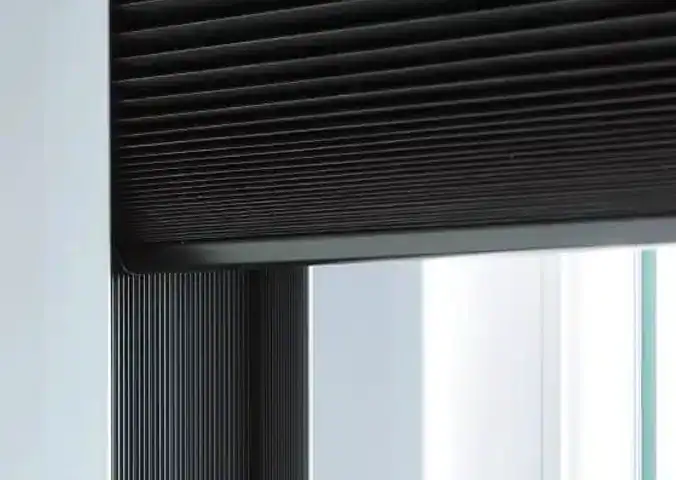
You’re paying too much to cool your Sanders Park home. Every window without proper shading is letting heat pour in, forcing your AC to run longer and harder. Hunter Douglas cellular shades create insulating air pockets that block heat transfer before it reaches your living space. Most homeowners see their FPL bills drop within the first month.
The same UV rays driving up your cooling costs are also destroying your floors, furniture, and artwork. You’ve probably noticed uneven fading on your couch or discoloration where sunlight hits hardwood. Hunter Douglas solar fabrics block up to 99% of harmful UV rays while still letting you see outside. Your investment in quality furniture and finishes stays protected.
Motorized Hunter Douglas shades adjust automatically throughout the day. They close when the afternoon sun hits hardest, open when you want natural light, and respond to voice commands through Alexa or Google Assistant. You’re not climbing on furniture to reach high windows or walking room to room adjusting cords. Everything happens on schedule or with a simple voice command.
We bring window treatment expertise from New York City and Toronto to Sanders Park. We’re authorized Hunter Douglas dealers, which means you’re getting genuine products, full manufacturer warranties, and installers who’ve been factory-trained on these specific systems.
We understand what South Florida’s climate does to window treatments. Sanders Park homes deal with intense UV exposure, high humidity, and the need for hurricane-resistant mounting. We spec components that handle moisture, use UV-stable fabrics designed for coastal climates, and install reinforced mounting systems that won’t fail when you need them most.
Your installation includes complete programming and smart home integration. We connect your Hunter Douglas shades to your existing automation system, set up voice control, configure schedules, and test every function before we leave. You’re not figuring out the technology yourself or dealing with systems that don’t talk to each other properly.
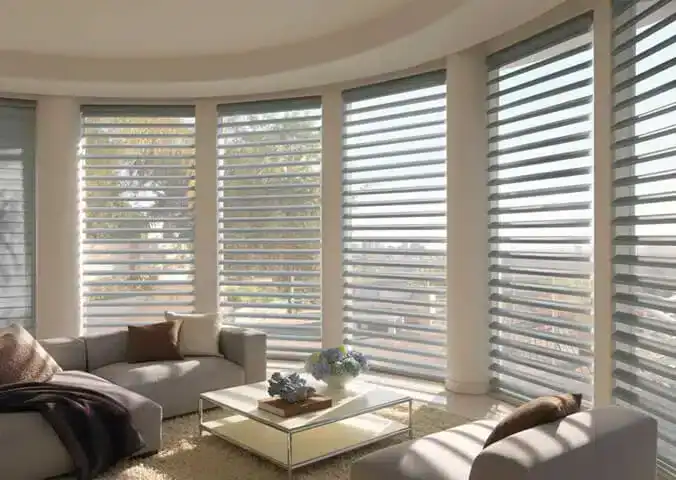
You schedule a consultation at your Sanders Park home. We measure every window, discuss which rooms have the worst heat gain or UV damage, and show you fabric samples so you can see opacity levels and colors in your actual lighting. We’re looking at window orientation, existing smart home systems, and whether you need inside mount or outside mount installation.
We provide a detailed quote that breaks down every component. You’ll see exactly what you’re paying for each shade, the motorization system, installation labor, and programming services. No surprises, no hidden fees for things like smart home integration or warranty coverage.
Our licensed installers handle the entire installation. They mount the shades, run any necessary wiring, install the motors, and program everything to work with your schedule and smart home system. You’ll get training on manual controls, app controls, voice commands, and how to adjust schedules as your needs change. The motors come with three-year warranties, fabrics are covered for five years, and we handle any service calls if something isn’t working right.
Ready to get started?
Every Hunter Douglas shades installation includes professional measuring, which matters more than most people realize. Sanders Park homes have settling issues, windows that aren’t perfectly square, and architectural details that affect mounting options. We’re measuring for exact fit and identifying potential installation challenges before ordering anything.
Your shades come with PowerView automation capability. This isn’t an add-on or upgrade—it’s built into the system. You can control everything from your smartphone, set schedules for different times of day, create scenes that adjust multiple rooms at once, and integrate with Alexa, Google Home, or Apple HomeKit. We handle all the programming during installation.
The fabrics are specifically chosen for Florida performance. We’re recommending materials that block heat and UV rays without making your home dark, that resist moisture and mildew in Sanders Park’s humidity, and that won’t break down under constant sun exposure. These aren’t standard fabrics that work fine in moderate climates but fail in South Florida.
You’re also getting reinforced mounting for hurricane resistance. Sanders Park is in a hurricane zone, and your window treatments need to stay secure during storms. We use heavy-duty brackets, proper anchoring into studs or concrete, and installation techniques that account for wind pressure and impact concerns.
Most Sanders Park homeowners see cooling cost reductions between 15-25% after installing Hunter Douglas cellular or solar shades. The exact savings depend on your home’s window orientation, how much glass you have, and your current AC efficiency.
South-facing and west-facing windows create the most heat gain in Sanders Park. If you’re installing Hunter Douglas solar shades on these exposures, you’re blocking up to 90% of solar heat before it enters your home. Your AC isn’t fighting against constant heat influx, which means shorter run cycles and lower energy consumption.
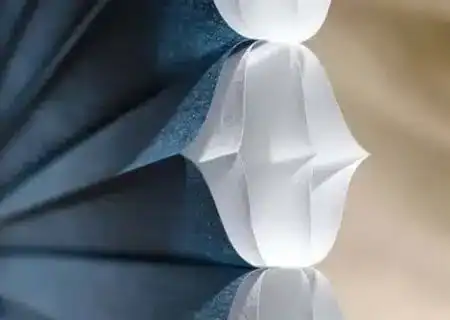
Cellular shades work differently but deliver similar results. They create insulating air pockets that slow heat transfer in both directions. During summer, they keep hot air out. The honeycomb structure traps air and creates a barrier between your window glass and your living space. When you combine this with motorized automation that closes shades during peak heat hours, you’re optimizing energy efficiency without thinking about it.
The payback period typically runs 3-5 years for most Sanders Park installations. You’re spending more upfront than you would on basic blinds, but you’re recouping that investment through lower FPL bills every single month.
Hunter Douglas PowerView automation integrates with virtually every major smart home platform. If you’re running Alexa, Google Home, Apple HomeKit, Control4, Crestron, or Savant, your shades will connect and respond to commands through your existing system.
We handle the integration during installation. You’re not downloading apps, troubleshooting connection issues, or trying to figure out which hub talks to which device. Our installers program everything, test all the commands, and make sure your shades respond correctly to voice controls, app controls, and automated schedules.
The system uses your home’s WiFi network, so you don’t need additional hubs or bridges in most cases. Your shades connect to the PowerView hub, which then communicates with your smart home system. You can create scenes that adjust lighting, temperature, and window shades simultaneously—like a “Good Morning” routine that opens shades, adjusts the thermostat, and turns on lights.
If you don’t currently have a smart home system, the PowerView app works independently. You’re still getting full scheduling, remote control from anywhere, and the ability to adjust individual shades or groups of shades. You can add smart home integration later without reinstalling anything.
Quality Hunter Douglas motorized shades typically last 10-15 years in South Florida’s climate when properly installed and maintained. The motors are specifically designed for frequent use and coastal humidity, with sealed components that resist moisture intrusion.
Sanders Park’s UV exposure is intense, but Hunter Douglas fabrics are UV-stabilized. They’re engineered to resist fading, brittleness, and degradation from constant sun exposure. Cheaper shades start breaking down within 2-3 years in this climate—fabric fades, materials become brittle, and mechanisms fail. You’re paying more upfront for Hunter Douglas because the materials are actually designed for environments like ours.
The motorization components carry a three-year warranty, and fabrics are covered for five years. Most mechanical issues show up within the first year if they’re going to happen at all. After that, you’re looking at very reliable operation. The motors are rated for thousands of cycles, which translates to years of daily use.
Maintenance is minimal. You’re wiping down shades occasionally with a dry cloth, checking that tracks stay clean, and making sure nothing is blocking the shade’s movement. No lubrication needed, no parts to replace regularly, no complicated upkeep. The systems are designed to run maintenance-free for years.
Cellular shades and solar shades solve different problems, and most Sanders Park homes benefit from using both in different locations. Cellular shades excel at insulation and privacy. Solar shades specialize in UV blocking and view preservation.
Hunter Douglas cellular shades use a honeycomb structure that traps air and creates an insulating barrier. They’re most effective on windows where you want maximum energy efficiency and don’t need to see outside. Bedrooms, bathrooms, and rooms with less desirable views are ideal locations. They provide excellent privacy when closed and come in blackout options if you need complete light blocking.
Solar shades are designed for rooms where you want to see outside while blocking heat and UV rays. They’re made from screen-like fabrics that filter sunlight but maintain your view. Living rooms with water views, home offices where you’re working during the day, and any space where natural light is important but heat gain is a problem. You’re blocking up to 90% of UV rays and significant solar heat while still being able to see your yard or neighborhood.
For Sanders Park’s climate, we typically recommend solar shades on south and west exposures where heat gain is most intense and views matter. Cellular shades work better on east-facing windows, bedrooms, and spaces where privacy is the priority. Many homeowners use both types throughout their home, choosing based on each room’s specific needs and window orientation.
Hunter Douglas shades aren’t hurricane protection in the same way impact windows or shutters are, but they’re significantly more durable than standard window treatments when properly installed. We use reinforced mounting systems specifically designed for South Florida’s wind loads and storm conditions.
The key is installation method. We’re anchoring into studs or concrete, not just drywall. The mounting brackets are heavy-duty, and we’re using proper spacing to distribute wind pressure. Sanders Park homes need window treatments that won’t rip off the wall during a storm, and proper installation makes the difference between shades that stay secure and ones that become projectiles.
During hurricane warnings, you should still close and secure your shades, but you’re not taking them down or worrying about them failing. The motorized components are sealed against moisture, and the fabrics are designed to handle wind pressure when the shades are in the closed position.
For maximum storm protection, many Sanders Park homeowners combine Hunter Douglas shades with impact windows or permanent shutters. The shades handle daily UV protection, energy efficiency, and convenience. The impact windows or shutters provide the structural protection during major storms. You’re getting the best of both—everyday functionality and storm-rated protection where it matters most.
Hunter Douglas motorized shades typically run $400-$900 per window in Sanders Park, depending on window size, fabric selection, and automation features. A whole-home installation for an average Sanders Park house with 15-20 windows usually ranges from $8,000 to $15,000.
That pricing includes the shades themselves, PowerView motorization, professional installation, complete programming, smart home integration, and warranty coverage. You’re not paying separately for someone to come back and set up the automation or troubleshoot connectivity issues—everything is included in the installation price.
Window size affects cost significantly. Standard windows cost less than floor-to-ceiling glass or wide sliding door openings. Fabric choice matters too—solar screens cost less than specialty cellular shades with blackout features. Motorization adds $200-$400 per shade compared to manual operation, but the convenience and energy optimization usually justify the upgrade for Sanders Park’s climate.
We provide detailed quotes that break down every component. You’ll see exactly what you’re paying for each window, and you can make informed decisions about where to use premium features versus standard options. Some homeowners motorize high windows and main living areas while using manual shades in less-used spaces. That’s a completely valid approach that reduces total cost while still giving you automation where it matters most.