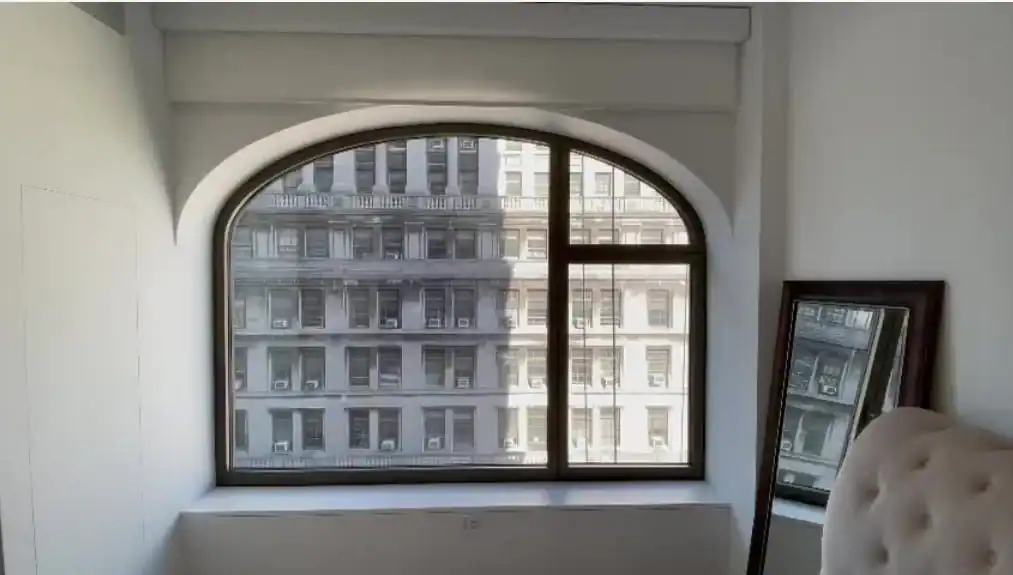
Heat-rejection window film blocks up to 80% of solar heat while preserving your view and natural light—something blinds and curtains can't do.
Share:
Summary:
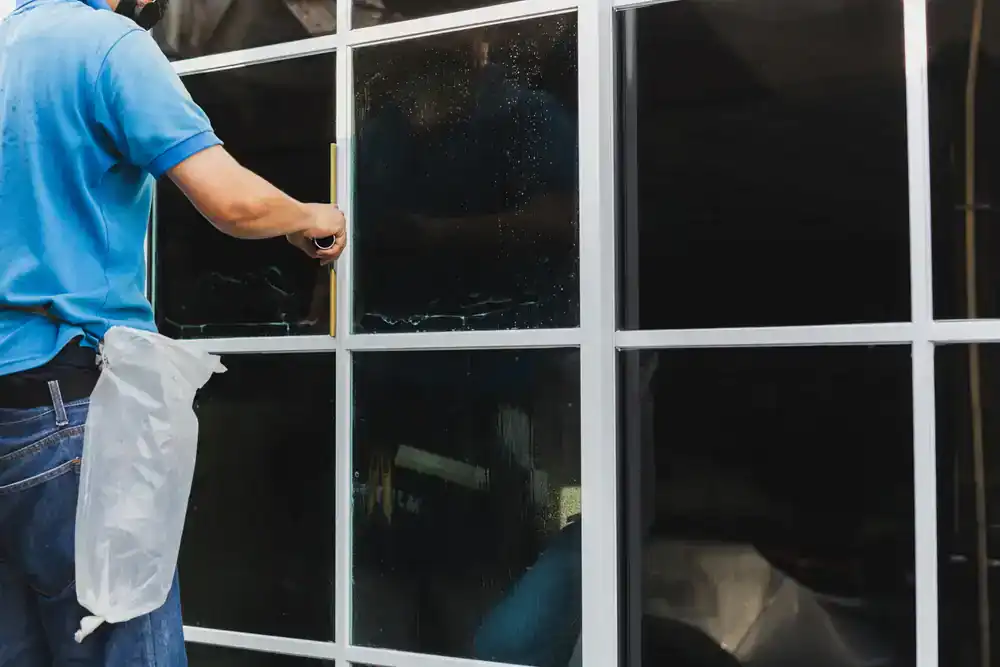
Heat-rejection window film is a thin, professionally-applied layer that bonds to your existing window glass. Think of it as an invisible shield that blocks heat and UV rays while letting visible light pass through. The technology isn’t new, but the materials have gotten significantly better over the past decade.
Modern films use ceramic particles or metalized layers to reflect and absorb infrared radiation before it enters your home. That’s the portion of sunlight that creates heat but doesn’t contribute to brightness. The result is a window that stays clear but rejects a significant amount of solar heat. Some premium films can block up to 80% of heat-producing infrared rays while still allowing natural light to fill your rooms.
This is fundamentally different from how blinds or curtains work. Those treatments physically block everything—light, heat, and your view. Window film is selective, targeting only the wavelengths you don’t want.
Not all window films are created equal, and understanding the differences will save you from choosing the wrong product for your needs. There are three main categories, each with distinct performance characteristics.
Ceramic films are the premium option for most Boca Raton homes. They use nano-ceramic technology to block heat without any metal content, which means they won’t interfere with your WiFi or cell phone signals. These films maintain excellent clarity and won’t create that mirrored look some homeowners want to avoid. They’re ideal for coastal environments because they resist corrosion and don’t fade over time, even with constant exposure to humidity and salt air. Performance-wise, quality ceramic films can reject 50-80% of solar heat while blocking 99% of UV rays.
Reflective or metalized films offer maximum heat rejection, often blocking up to 70-80% of solar energy. They work by creating a mirror-like exterior appearance during daylight hours. The trade-off is aesthetics and nighttime privacy. From the outside, your windows will have that distinctive reflective look, which some HOAs restrict. At night, when interior lights are on, the reflective effect reverses, meaning people outside can see in. These films are highly effective for extreme sun exposure but require careful consideration of your privacy needs and neighborhood restrictions.
Spectrally-selective films represent the newest technology. They’re engineered to target specific wavelengths, blocking infrared heat and UV rays while allowing maximum visible light transmission. These films can maintain 60-80% of natural light while still reducing heat gain by 60% or more. They’re perfect for rooms where brightness matters—home offices, living areas, or anywhere you want to preserve that open, sunlit feeling. The downside is cost; they typically run 20-30% more than standard ceramic options.
Not all window films are created equal, and understanding the differences will save you from choosing the wrong product for your needs. There are three main categories, each with distinct performance characteristics.
Ceramic films are the premium option for most Boca Raton homes. They use nano-ceramic technology to block heat without any metal content, which means they won’t interfere with your WiFi or cell phone signals. These films maintain excellent clarity and won’t create that mirrored look some homeowners want to avoid. They’re ideal for coastal environments because they resist corrosion and don’t fade over time, even with constant exposure to humidity and salt air. Performance-wise, quality ceramic films can reject 50-80% of solar heat while blocking 99% of UV rays.
Reflective or metalized films offer maximum heat rejection, often blocking up to 70-80% of solar energy. They work by creating a mirror-like exterior appearance during daylight hours. The trade-off is aesthetics and nighttime privacy. From the outside, your windows will have that distinctive reflective look, which some HOAs restrict. At night, when interior lights are on, the reflective effect reverses, meaning people outside can see in. These films are highly effective for extreme sun exposure but require careful consideration of your privacy needs and neighborhood restrictions.
Spectrally-selective films represent the newest technology. They’re engineered to target specific wavelengths, blocking infrared heat and UV rays while allowing maximum visible light transmission. These films can maintain 60-80% of natural light while still reducing heat gain by 60% or more. They’re perfect for rooms where brightness matters—home offices, living areas, or anywhere you want to preserve that open, sunlit feeling. The downside is cost; they typically run 20-30% more than standard ceramic options.
Want live answers?
Connect with a Miami Design Group expert for fast, friendly support.
This is the question most homeowners want answered: should I invest in window film or just upgrade my blinds and curtains? The short answer is they solve different problems, but if heat rejection is your primary goal, film outperforms traditional window treatments in almost every measurable way.
Blinds and curtains work by physically blocking sunlight. When closed, they prevent solar energy from entering, which does reduce heat gain. The problem is they also block natural light and your view. You’re essentially choosing between comfort and brightness every single day. Even thermal or cellular shades, which are specifically designed for energy efficiency, require you to keep them closed to get the benefit. That defeats the purpose of having windows in the first place.
Window film takes a completely different approach. It allows visible light to pass through while selectively blocking heat and UV radiation. You get the brightness and view you want, plus the cooling effect you need. This isn’t a small distinction—it’s the fundamental difference that makes film the better solution for most Florida homes.
Here’s the part that surprises most people: even when blinds are closed, they don’t block heat as effectively as you’d think. The reason has to do with where the heat gets stopped.
When sunlight hits a window with blinds, the solar energy passes through the glass first. Some of it is absorbed by the glass itself, which heats up and radiates warmth into your room. The rest hits the blinds, which absorb even more heat. Now you have a hot window and hot blinds creating a pocket of trapped heat between the glass and the treatment. That heat doesn’t just disappear—it radiates into your living space, warming the air despite your best efforts to block it.
Window film intercepts solar energy at the glass surface before it can enter your home. Depending on the type, it either reflects heat back outside or absorbs it within the film layer and dissipates it externally. The heat never makes it into your living space. This is why professionally installed window film can reject up to 78% of solar heat, while even the best cellular shades typically max out around 60% and only when fully closed.
There’s also the consistency factor. Blinds and curtains only work when you remember to close them, and most people don’t adjust their window treatments throughout the day. A Department of Energy study found that 75% of residential window coverings stay in the same position all day, meaning they’re either blocking light when you don’t need them to, or failing to block heat when you do. Window film works automatically, providing consistent heat rejection from sunrise to sunset without any adjustment required.
The UV protection difference is even more dramatic. Blinds and curtains might reduce some UV exposure when closed, but UV rays still penetrate fabric and pass through gaps. Quality window film blocks 99% of UV radiation no matter if your treatments are open or closed. That’s critical protection for your furniture, flooring, and artwork, which can fade and deteriorate from sun exposure even when you think they’re protected.
Absolutely, and in many cases, combining both gives you the best of everything. Window film handles heat rejection and UV protection, while blinds or curtains give you privacy control, decorative options, and complete light blocking when you need it.
This layered approach is particularly smart for bedrooms, where you want heat control during the day but complete darkness for sleeping. Install window film for constant solar heat rejection and UV protection, then add blackout shades or curtains for nighttime privacy and light control. You get energy efficiency 24/7, plus the flexibility to adjust your environment based on time of day or activity.
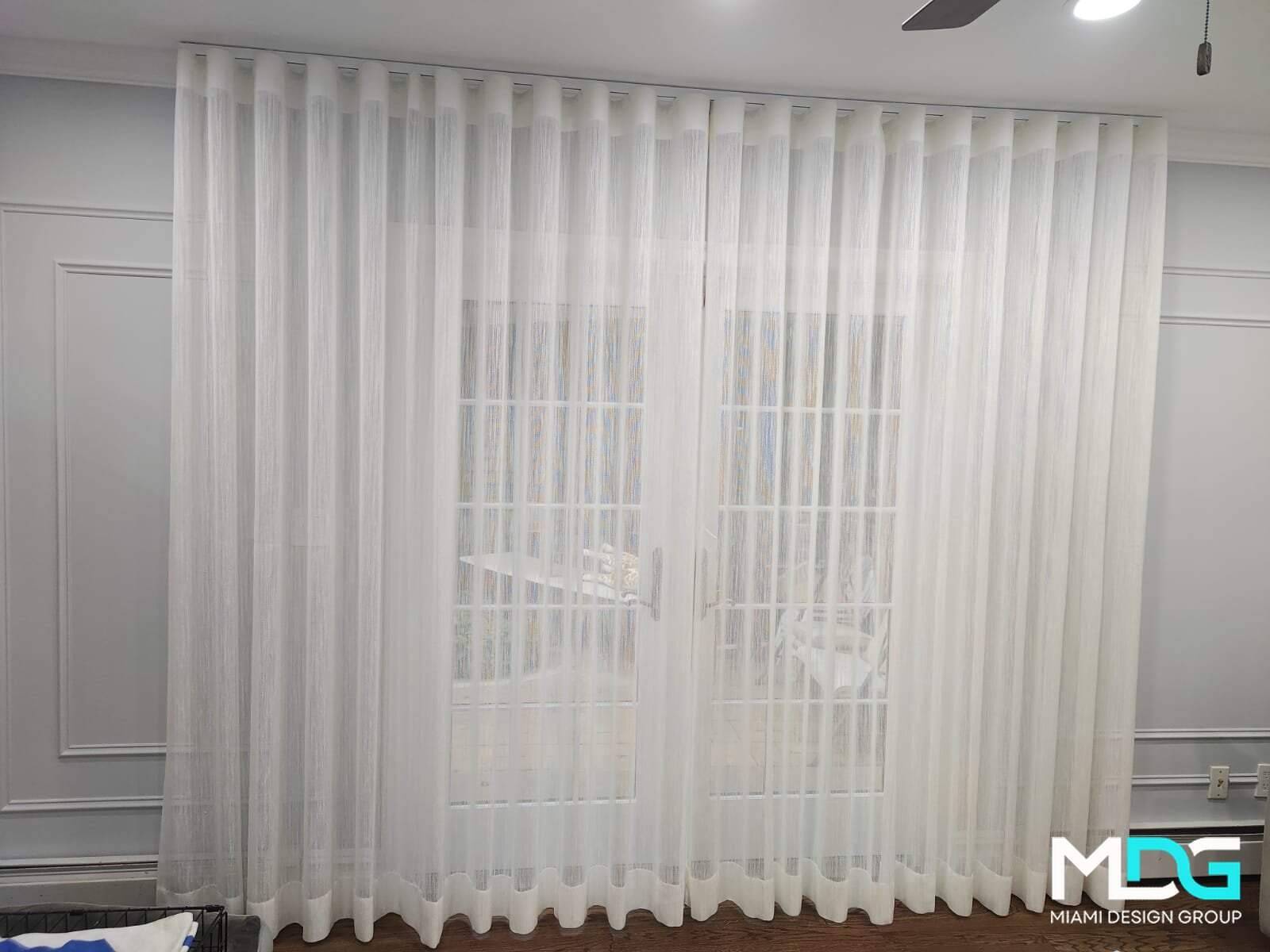
The same logic applies to living areas and home offices. Film keeps the space comfortable and protects against glare on screens, while sheer curtains or decorative treatments add style and can be drawn for privacy during evening hours when interior lights make you visible from outside. You’re not choosing between function and aesthetics—you’re getting both.
There’s a practical benefit too. Window film extends the life of your window treatments by blocking the UV rays that cause fabric fading and deterioration. Those expensive custom drapes or plantation shutters will look better longer when they’re not taking direct sun exposure day after day. It’s an investment that protects your other investments.
From a design perspective, this combination opens up more options. You can choose lighter, more decorative treatments without worrying about their heat-blocking performance, because the film is handling that job. Want sheer linen curtains that filter light beautifully but offer zero solar protection? No problem—the film underneath is doing the heavy lifting for temperature control.
Cost-wise, you’re looking at a higher initial investment when combining both solutions, but the energy savings add up quickly. A typical Boca Raton home might spend $2,000-4,000 on quality window film for main living areas, plus another $1,500-3,000 on complementary treatments. But if that combination cuts your cooling costs by $600-1,000 annually, you’re looking at a 3-5 year payback period, after which it’s pure savings for the 10-20 year lifespan of the film.
Heat-rejection window film isn’t the only solution for managing Florida’s intense sun, but it’s one of the most effective options available when you want to keep your view, maintain natural light, and reduce the heat coming into your home. The technology has improved dramatically, with modern ceramic and spectrally-selective films offering performance that wasn’t possible a decade ago.
The decision comes down to what matters most in your daily life. If you value natural light, want to protect your furnishings from fading, and are tired of choosing between comfort and brightness, window film solves all three problems simultaneously. It works passively, requires virtually no maintenance, and delivers consistent energy savings for 10-20 years when professionally installed.
For Boca Raton homeowners dealing with year-round cooling costs and intense sun exposure, the ROI is clear. Most homes see noticeable comfort improvements immediately and measurable energy savings within the first billing cycle. When you factor in furniture protection and the elimination of hot spots that make certain rooms unusable, the value extends well beyond just the utility bill.
We specialize in helping South Florida homeowners find the right window film solutions for their specific needs, regardless of if that’s maximum heat rejection, UV protection, or a balanced approach that preserves brightness while improving comfort. With experience in both residential and commercial applications, plus integration with home automation and comprehensive design services, we can help you create a complete solution that works for your home and your lifestyle.
Article details:
Share:
Continue learning: