Hear from Our Customers
Your AC runs constantly in Harbor Village. Summer heat pours through your windows, your energy bills climb, and your furniture fades from UV exposure. You’re paying to cool air that’s fighting against inefficient windows.
Hunter Douglas cellular shades change that equation. The honeycomb structure traps air between your window and your room, creating an insulation barrier that keeps heat out during our brutal summers. You’ll feel the difference within days—rooms stay cooler, your AC cycles less, and your monthly electric bill drops.
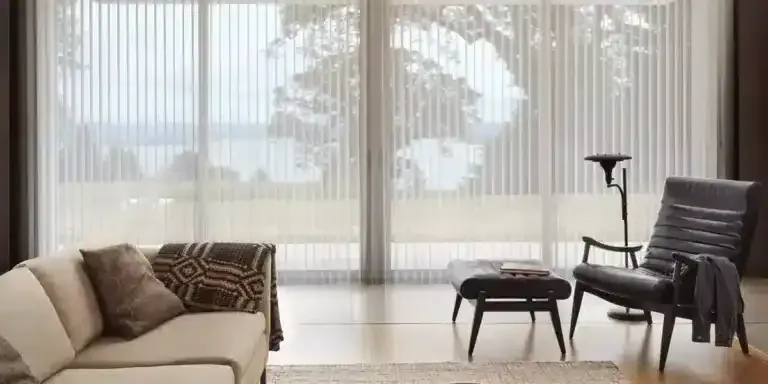
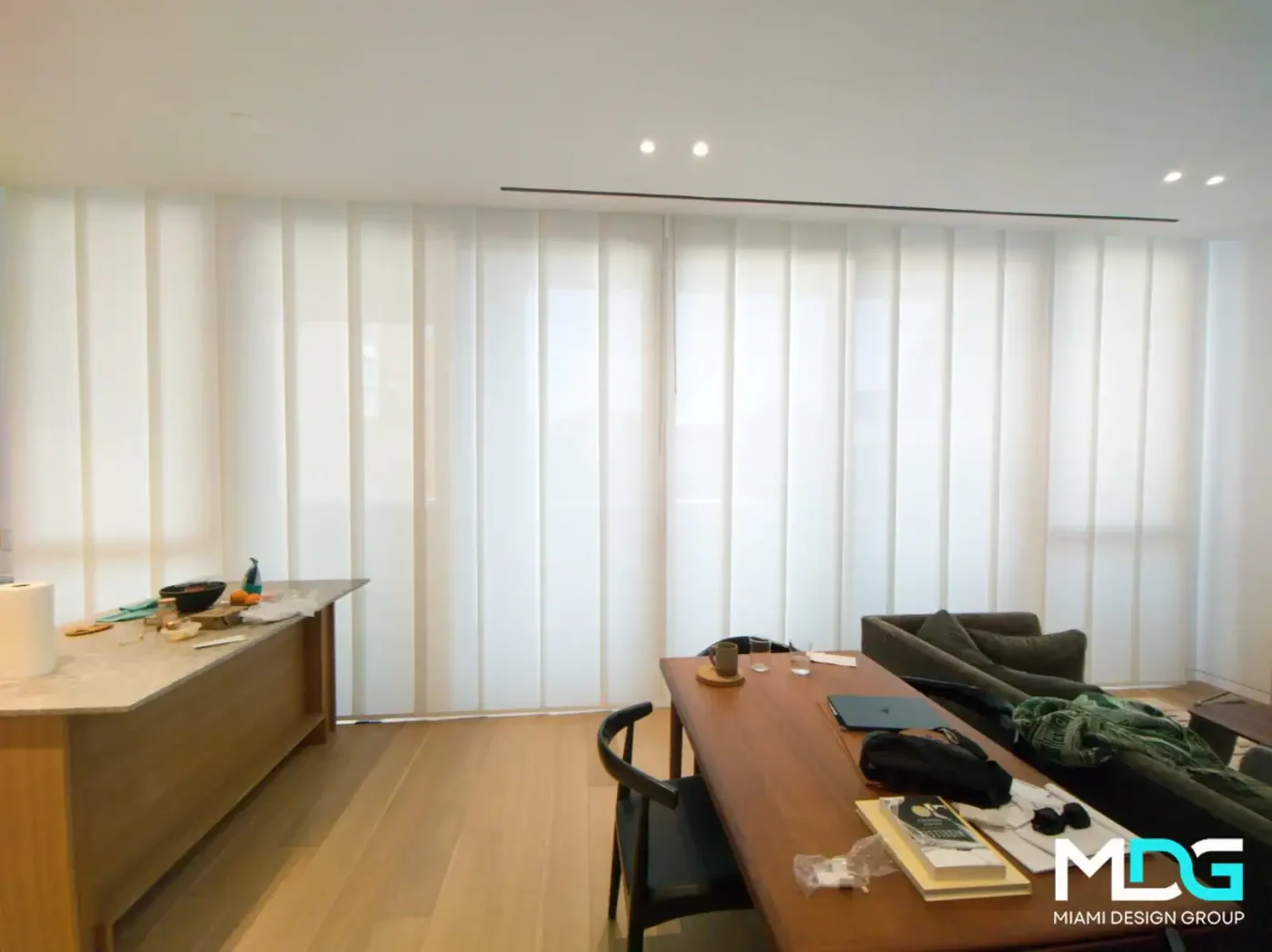
Beyond energy savings, you get real control over Florida’s intense sunlight. Silhouette sheer shades let you diffuse harsh rays while keeping your view of the water. You can adjust them throughout the day as the sun moves, or set them on PowerView automation to handle it for you. No more squinting at your TV during afternoon glare or watching your hardwood floors bleach out over time.
These aren’t basic window coverings. They’re engineered for durability in humid, high-UV environments where cheaper options warp, fade, or fail within a few years. Hunter Douglas uses materials that withstand South Florida’s climate—fabrics that resist moisture, mechanisms that don’t corrode, and construction that holds up to daily use.
We bring Hunter Douglas window treatments to Harbor Village homeowners who want quality without the typical dealer markup or pushy sales tactics. We measure, order, and install—handling the entire process so you don’t have to coordinate multiple companies or worry about incorrect sizing.
We’re based in Hallandale Beach and work throughout Broward County. That means we understand what Harbor Village homes need—hurricane preparedness, energy efficiency in our year-round heat, and window treatments that complement waterfront properties without looking dated in five years.
You’re not getting a franchise following a corporate script. You’re working with a local team that knows the difference between what works in South Florida versus what works everywhere else. We stock Hunter Douglas because they engineer products for climates like ours, and because their warranty actually means something when you need service years down the road.
You start with an in-home consultation where we measure your windows and discuss what you actually need—not what we’re trying to push. If you want blackout shades for your bedroom, energy-efficient cellular shades for your living areas, and motorized options for hard-to-reach windows, we’ll map that out with specific products and pricing.
Once you approve the quote, we order your custom Hunter Douglas shades. Manufacturing typically takes two to three weeks depending on the product line and any motorization features. We’ll give you a realistic timeline upfront, not an optimistic guess that gets pushed back repeatedly.
Installation happens on a scheduled day that works for you. Our installers show up on time, mount everything properly, and test all functions before they leave—especially important for motorized or PowerView automated shades. You’ll know how to operate everything, how to pair it with your smart home system if applicable, and who to call if you ever need service.
The whole process usually takes three to four weeks from consultation to completion. If you’re on a tighter timeline for a specific reason, let us know during the consultation and we’ll tell you honestly whether we can accommodate it.
Ready to get started?
Every installation includes professional measuring—not the kind where you follow online instructions and hope for the best. We measure each window individually because even in newer Harbor Village homes, dimensions vary more than you’d expect. That precision matters when you’re ordering custom shades that need to fit exactly.
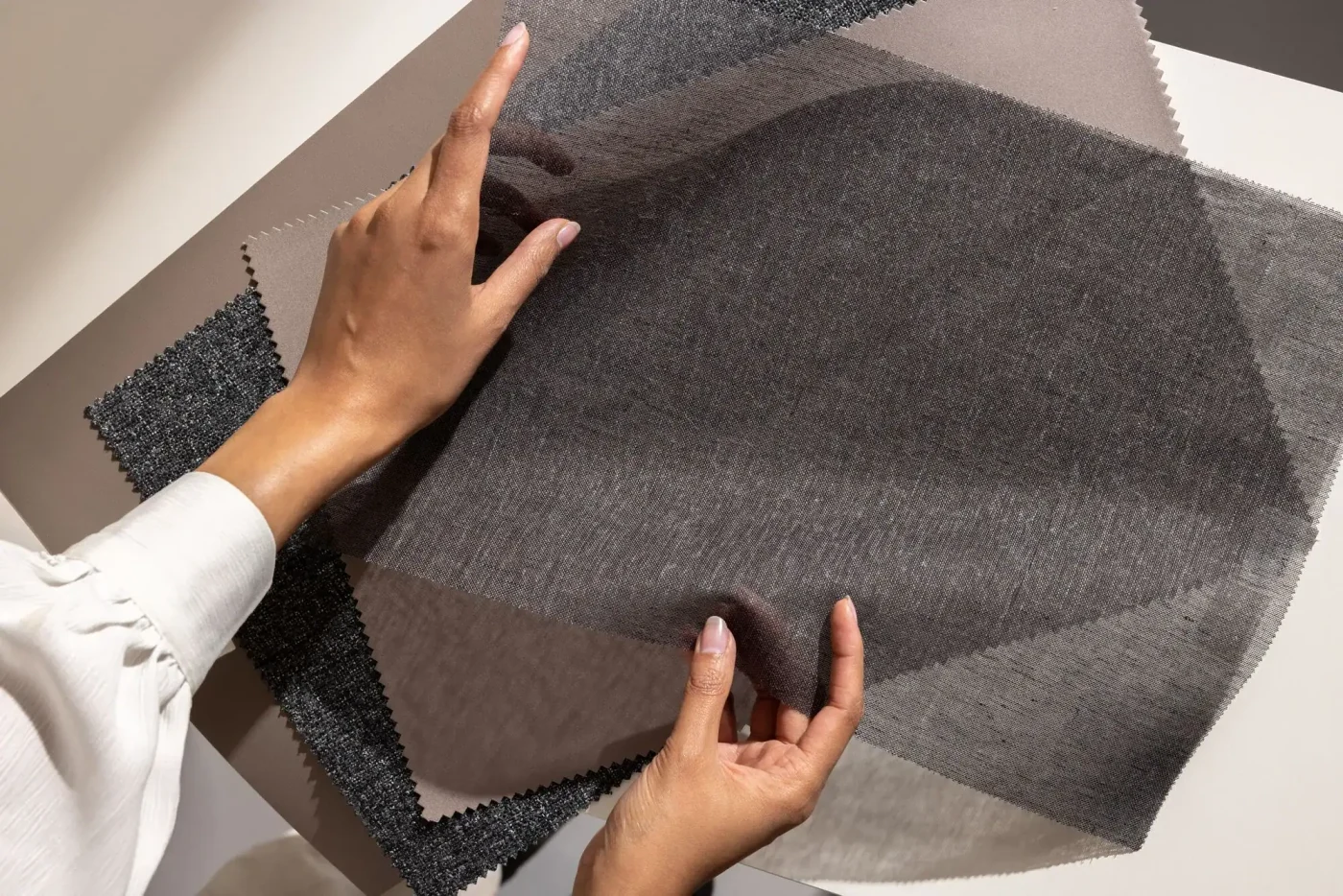
You get Hunter Douglas products manufactured specifically for your windows. That means custom widths, lengths, fabric choices, and operating systems. Cellular shades come in different cell sizes depending on your window size and insulation needs. Silhouette shades offer various fabric opacities. Motorized options integrate with PowerView automation for scheduling and remote control.
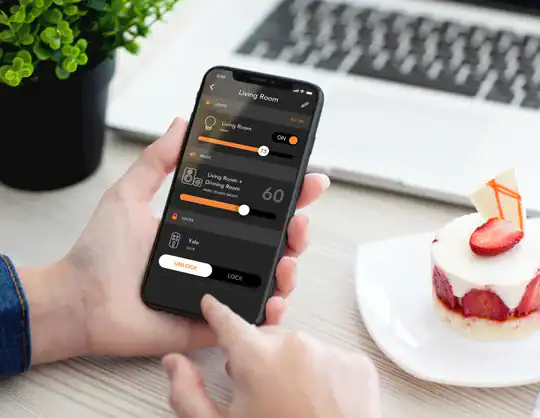
Installation covers mounting, leveling, and functional testing. For motorized shades, that includes programming and connecting to your home’s WiFi network. If you’re adding PowerView, we’ll set up the app on your phone and show you how to create schedules—like automatically closing shades during peak afternoon heat to reduce cooling costs.
You also get Hunter Douglas’s warranty, which varies by product but typically covers defects in materials and workmanship. The motorization components carry separate coverage. We handle warranty claims if anything goes wrong, so you’re not dealing directly with a manufacturer’s customer service line.
Harbor Village homeowners often ask about hurricane protection. Hunter Douglas shades aren’t a replacement for storm shutters or impact windows, but they do provide an extra layer of protection for your interior. During hurricane season, you can close them completely to shield furniture and flooring from any water that might seep through window seals.

Cellular shades can cut your cooling costs by 20-30% depending on your home’s window exposure and how consistently you use them. The honeycomb design traps air, creating an insulation pocket that blocks heat transfer. That matters significantly in Harbor Village where your AC runs year-round.
The biggest savings come from windows with direct sun exposure—especially west-facing windows that get hammered by afternoon heat. If you’re currently using basic blinds or no window treatments at all, you’ll notice the temperature difference within a day or two of installation. Your AC won’t cycle as frequently, and rooms will hold their temperature better.
For a typical Harbor Village home with 15-20 windows, homeowners report saving $60-120 monthly during summer months. That’s $720-1,440 annually, which means your investment in quality shades pays for itself within a few years. After that, you’re just banking savings while also protecting your furniture and flooring from UV damage that would cost thousands to repair or replace.
Yes, through Hunter Douglas PowerView automation. You can control your shades from your phone, set schedules for automatic adjustments throughout the day, or integrate with Alexa, Google Home, or other smart home platforms. It’s not a gimmick—it’s genuinely useful in South Florida’s climate.
Here’s how Harbor Village homeowners typically use it: Set your east-facing shades to close automatically when morning sun gets intense, usually around 9 AM. Program west-facing shades to close during peak afternoon heat between 2-5 PM. Open everything in the evening when temperatures drop and you want to enjoy sunset views. You can override any schedule manually when you want, but the automation handles daily patterns without you thinking about it.
The system runs on rechargeable batteries or hardwired power depending on your preference. Battery-powered options last 6-12 months per charge. You’ll get low-battery notifications through the app, and recharging takes a few hours using the provided USB cable. If you’re building or renovating, hardwired power eliminates battery maintenance entirely.
PowerView also lets you create scenes—one-touch settings that adjust multiple shades simultaneously. “Leaving Home” can close all shades for security and energy efficiency. “Movie Time” can blackout your living room. “Good Morning” can open bedroom shades gradually to wake you naturally. You set these up once and use them daily.
Cellular shades prioritize insulation and light blocking, while silhouette shades balance light control with maintaining your view. Your choice depends on which matters more for each specific window in your home.
Cellular shades have a honeycomb structure that traps air for maximum energy efficiency. They’re your best option for bedrooms where you want blackout capability, or for any window where reducing heat transfer is the priority. In Harbor Village’s climate, they’re particularly effective on west-facing windows that absorb intense afternoon sun. You can get them in single-cell or double-cell construction—double-cell provides better insulation but costs more. The tradeoff is that when closed, you lose your view completely.
Silhouette shades use soft fabric vanes suspended between sheer panels. You can tilt the vanes to control light while the sheer fabric diffuses harsh rays and maintains your view. They’re ideal for living areas or any room where you want to see outside while managing glare and UV exposure. Many Harbor Village homeowners use them in waterfront-facing rooms where the view is part of why you bought the house. They still provide privacy—people outside see diffused shapes, not clear views into your home.
For most homes, the answer is both. Use cellular shades in bedrooms and rooms where energy efficiency matters most. Use silhouette shades in living spaces where you want flexibility between light control and maintaining views. We’ll recommend specific products during your consultation based on each window’s orientation, size, and how you use that room.
Hunter Douglas shades typically last 10-15 years in South Florida’s climate when properly maintained, significantly longer than budget alternatives that fail within 3-5 years. The difference comes down to materials engineered specifically for high-humidity, high-UV environments.
The fabrics resist moisture absorption that causes warping and mold growth in cheaper materials. The operating mechanisms use corrosion-resistant components—critical in Harbor Village’s salt air environment where metal parts on inferior products corrode quickly. The headrails and mounting brackets are constructed from materials that don’t degrade under constant UV exposure.
You’ll need to dust them periodically and occasionally vacuum with a brush attachment, but there’s no intensive maintenance. For cellular shades, compressed air works well to clean inside the honeycomb cells without damaging the structure. Silhouette shades can be gently vacuumed or dusted. Motorized components are sealed against humidity and rarely need service beyond battery replacement for battery-powered options.
The warranty coverage varies by product line but generally includes several years of protection against manufacturing defects. More importantly, replacement parts remain available years after installation—unlike budget brands that discontinue products quickly, leaving you unable to repair a single broken shade without replacing the entire set.
Harbor Village’s climate is genuinely tough on window treatments. Cheap shades fade, warp, or develop mechanical failures within a few years. Hunter Douglas products cost more upfront because they’re built to handle exactly these conditions for a decade or longer. You’re not replacing them every few years, which makes them less expensive long-term.
Hunter Douglas shades provide interior protection during hurricanes but aren’t a substitute for storm shutters or impact windows. They protect your furniture, flooring, and belongings from water damage if your windows leak, and they add a layer of defense against shattered glass if a window does break.
During a hurricane, closed shades contain broken glass and debris if your window fails. Instead of glass shards spreading across your room, they’re caught by the shade fabric. That’s not their primary purpose, but it’s a real benefit during severe weather. They also block wind-driven rain that seeps through window seals—common in Harbor Village during major storms even with impact windows.
Some homeowners see insurance benefits from having quality window treatments as part of their overall hurricane preparedness. While shades alone won’t reduce your premiums the way impact windows do, they demonstrate that you’re taking reasonable steps to protect your property. Check with your insurance provider about whether window treatments factor into your coverage or deductibles.
The more significant everyday benefit is UV protection and energy efficiency. Hurricane season is a few months per year. The heat, humidity, and intense sunlight are year-round problems in Harbor Village. Hunter Douglas shades address those daily issues while providing some additional protection during storms. They’re not marketed as hurricane protection because that’s not their primary function, but they do help when severe weather hits.
If you don’t have impact windows or storm shutters, those should be your first priority for hurricane protection. Once you’ve handled structural protection, quality interior shades add another layer of defense for your belongings and help manage the everyday challenges of South Florida’s climate.
Motorized Hunter Douglas shades typically cost $200-400 more per window compared to manually operated versions, depending on the shade style and whether you add PowerView automation. For most Harbor Village homes with 15-20 windows, full motorization adds $3,000-6,000 to the total project cost.
That sounds like a lot until you consider how you’ll actually use them. Manually adjusting 15-20 windows twice daily to manage heat and light becomes a chore you’ll skip. Motorized shades with scheduling handle it automatically—closing during peak heat, opening for views and natural light when temperatures drop. You get the energy savings and UV protection consistently because the system doesn’t forget or get lazy.
The cost makes more sense for specific situations: hard-to-reach windows above staircases or high ceilings, large or heavy shades that are difficult to operate manually, or windows you adjust frequently throughout the day. Many Harbor Village homeowners motorize their main living areas and leave bedrooms manual to balance cost with convenience.
PowerView automation adds another $50-100 per shade but enables scheduling and smart home integration. Without PowerView, you’re using individual remotes for each shade or zone. With PowerView, you control everything from your phone and create automated schedules. For most people adding motorization, PowerView is worth the incremental cost because it’s what makes the system genuinely useful rather than just a remote-controlled version of manual operation.
Battery-powered motorization costs less to install since there’s no electrical work, but you’ll recharge batteries every 6-12 months. Hardwired motorization requires running power to each window—more expensive upfront but eliminates battery maintenance. If you’re building or renovating with walls open, hardwired makes sense. For existing homes, battery-powered is usually more practical unless you want to fish wires through walls.