Hear from Our Customers
Your AC runs less. That’s the first thing you’ll notice.
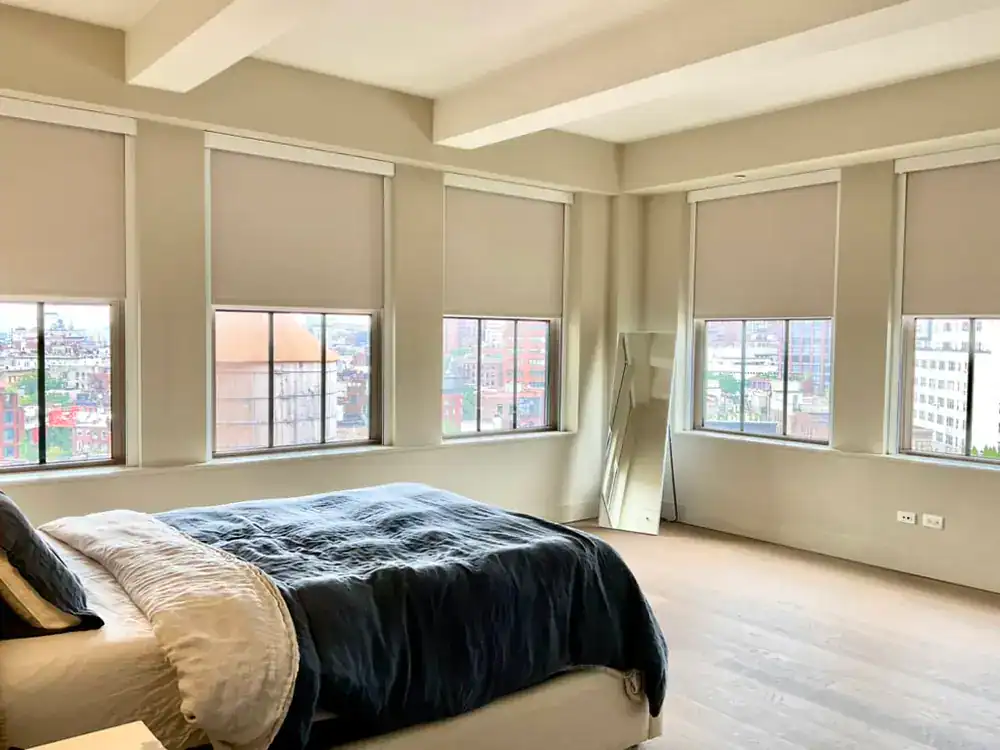
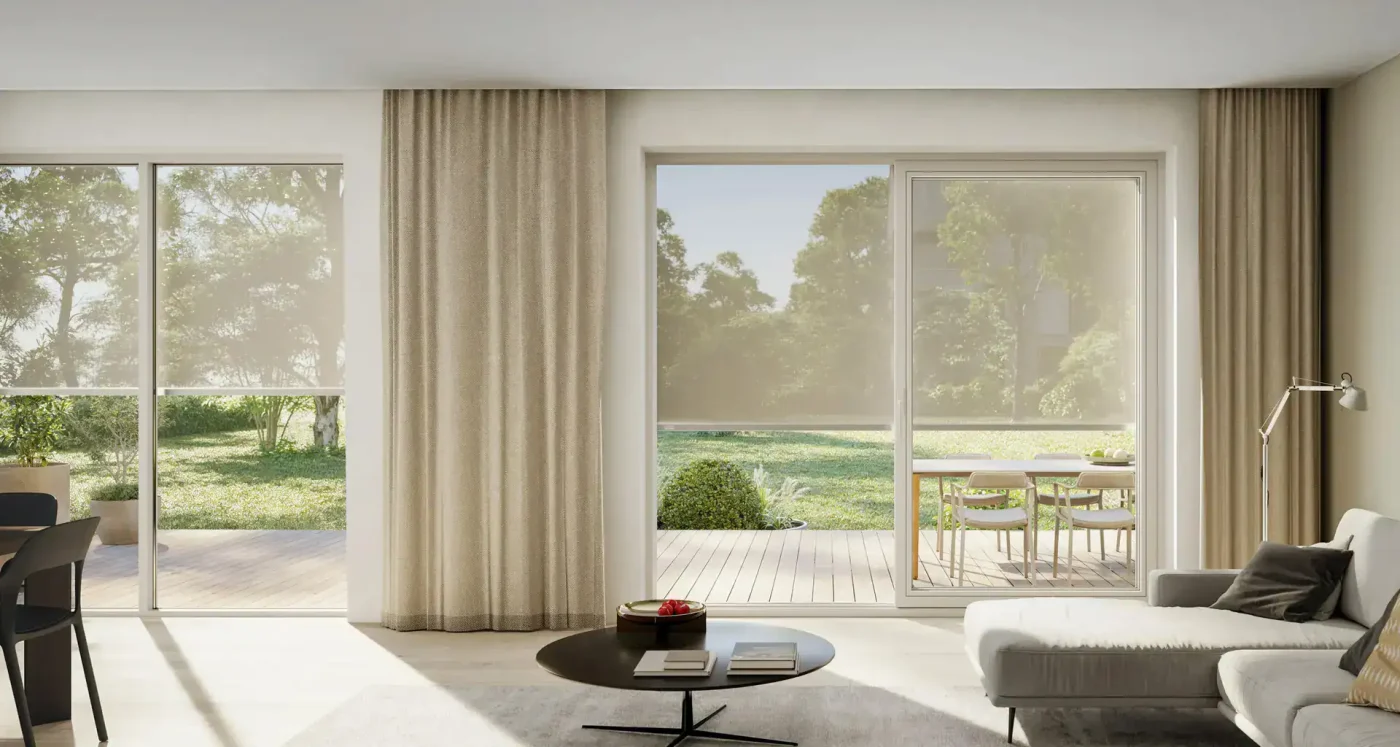
Hunter Douglas Shades use honeycomb construction that traps air and blocks heat before it enters your home. In The Crossings, where summer temps regularly hit the high 80s and 90s, that insulation can reduce your cooling costs by 15 to 25 percent. You’re not just covering windows—you’re controlling how much heat gets in.
The second thing? Your furniture stops fading. UV rays are relentless in Florida, and they destroy upholstery, wood finishes, and flooring over time. Hunter Douglas fabrics block up to 99% of harmful UV light, which means your investment in your home’s interior actually lasts.
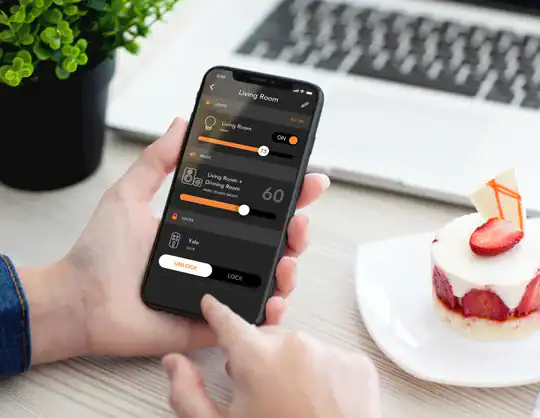
Then there’s the automation. PowerView motorization lets you schedule your shades to close during peak sun hours and open when temperatures drop. No app-checking. No manual adjusting. It just happens, and your home stays comfortable without you thinking about it.
You also get noise reduction—up to 55 decibels depending on the product. If you live near Flamingo Road or SW 8th Street, that makes a difference. And if you care about resale value, energy-efficient window treatments are one of those upgrades buyers notice and appreciate.
We’re a Hunter Douglas dealer serving The Crossings and surrounding areas. We measure, order, and install—so you’re working with one team the entire way through.
We also handle motorization and smart home integration. If you want your shades to sync with Alexa, Google, or your existing automation system, we set that up during installation. No third-party techs. No coordination headaches.
Most of our clients come to us because they’re tired of high energy bills or they’re renovating and want something that actually performs in Florida’s climate. We work with homeowners in The Crossings who understand that window treatments aren’t just decorative—they’re functional, and they should work as hard as the rest of your home systems.
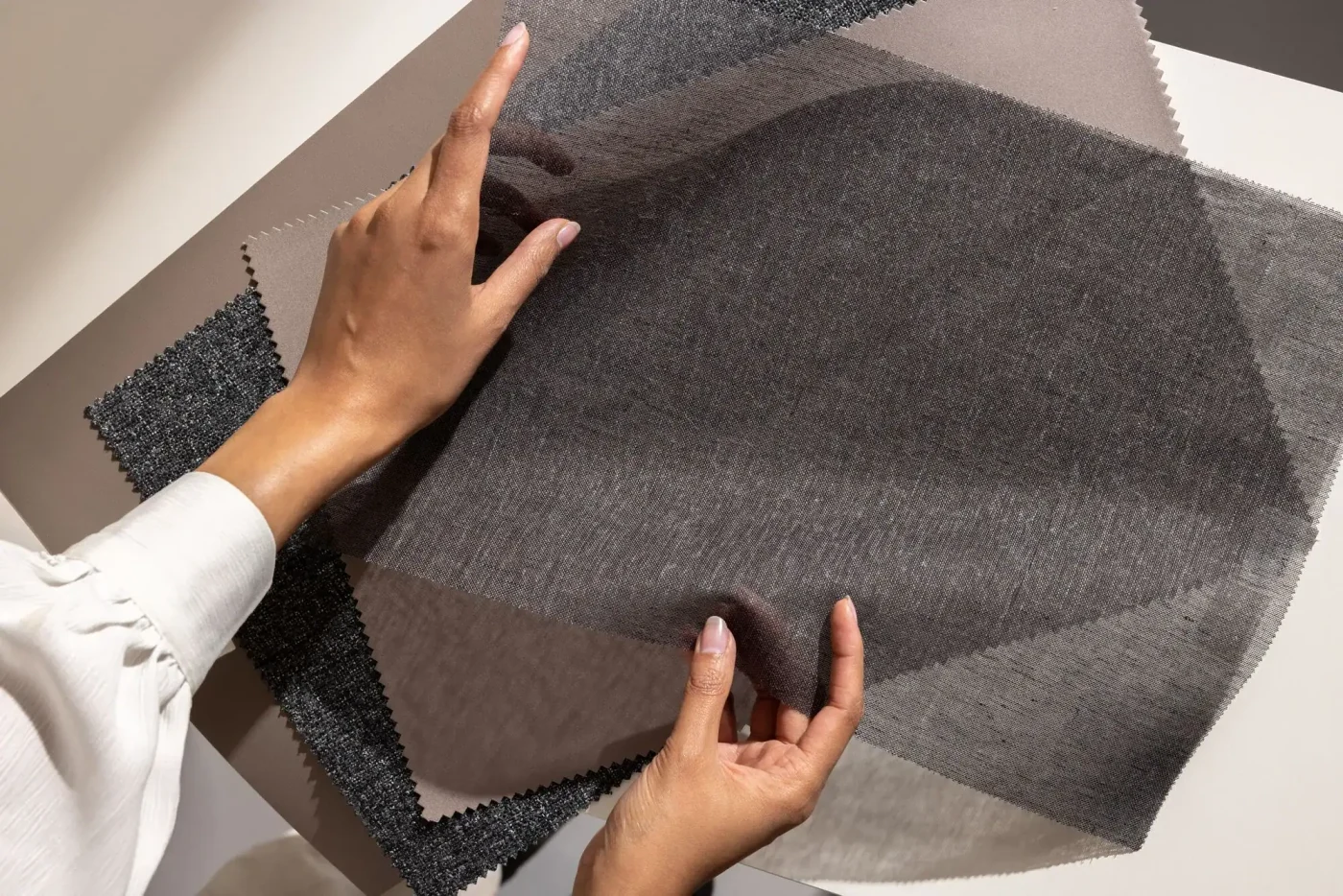
First, we come to your home in The Crossings for an in-person consultation. We measure your windows, talk through your goals—whether that’s energy savings, light control, privacy, or automation—and show you fabric samples so you can see how they look in your actual lighting.
Next, we walk you through the product options. Hunter Douglas makes several lines—Duette honeycomb shades for insulation, Designer Roller Shades for clean modern looks, Silhouettes for soft light diffusion. We explain what works best for your situation, not what we’re trying to move. If motorization makes sense, we discuss PowerView and how it integrates with your smart home setup.
Once you choose, we place the order. Hunter Douglas manufactures in the U.S., so lead times are typically two to four weeks depending on customization. When your shades arrive, we schedule installation at a time that works for you.
Installation usually takes a few hours depending on how many windows we’re covering. We mount the shades, test the operation, and if you opted for motorization, we program the system and make sure it’s connected to your network and any voice assistants you use. Before we leave, we show you how everything works and answer any questions. You’re not figuring this out on your own.
Ready to get started?
You get custom-measured shades built specifically for your windows. Hunter Douglas doesn’t do one-size-fits-all. Every shade is made to your exact specifications, which means it fits right, operates smoothly, and looks clean.
You also get access to the full Hunter Douglas product line. That includes Duette honeycomb shades, Vignette Modern Roman Shades, Pirouette shadings, Silhouette shadings, Designer Roller Shades, and more. Each product is designed for different needs—some prioritize insulation, others focus on light control or view-through. We help you pick what actually matches your priorities.
Motorization is available on most products through the PowerView system. You can control shades from your phone, set schedules based on time of day or sunrise/sunset, and integrate with Alexa, Google Assistant, or Apple HomeKit. For homes in The Crossings with large windows or hard-to-reach installations, motorization isn’t just convenient—it’s practical.
Every Hunter Douglas product comes with a limited lifetime warranty. That covers materials and workmanship for as long as you own your home. If something breaks under normal use, it gets fixed or replaced. That’s the kind of backing you want when you’re spending more than you would at a big-box store.
And because we’re local, you’re not calling a 1-800 number if you need service. You call us, and we come back if there’s ever an issue. That’s how it should work.
Hunter Douglas Shades typically cost two to three times more than budget options like those from big-box retailers. A standard window might run $300 to $800 per shade depending on size, fabric, and whether you add motorization.
That’s not a small difference. But the price reflects U.S.-based manufacturing, premium materials, and engineering that actually performs in Florida’s climate. Cheaper shades often use thinner fabrics, less durable mechanisms, and they don’t offer the same energy efficiency or UV protection.
If you’re planning to stay in your home and you care about long-term performance—lower energy bills, furniture protection, smooth operation for years—the upfront cost makes sense. If you’re flipping the property or you just need something temporary, there are less expensive options that’ll work fine. It depends on what you’re optimizing for.
Yes, but not because they’re motorized. The energy savings come from the shade itself—specifically, how well it insulates and blocks heat.
Motorization helps you maximize those savings by making it easier to use your shades consistently. You can program them to close automatically during peak sun hours when heat gain is highest, and open in the evening when temperatures drop. Most people don’t manually adjust their shades that often, so automation ensures your windows are actually protected when it matters.
In The Crossings, where afternoon sun can spike indoor temps fast, having your shades close at 1 PM and reopen at 6 PM can make a noticeable difference in how hard your AC works. The PowerView system can also respond to temperature sensors or integrate with your smart thermostat for even tighter control. It’s not magic—it’s just consistent, smart operation that you don’t have to think about.
From consultation to installation, you’re usually looking at three to five weeks. That breaks down into a few stages.
The consultation and measuring happen first—that’s typically scheduled within a few days of your initial call. Once you choose your products, we place the order with Hunter Douglas. Manufacturing takes about two to four weeks depending on the product line and how customized your order is. Standard colors and sizes move faster than specialty fabrics or complex motorization setups.
When your shades arrive, we schedule installation. For most homes in The Crossings, installation takes a few hours if we’re covering five to ten windows. Larger projects or homes with motorization on every window can take a full day. We don’t rush it—everything gets mounted correctly, tested, and programmed if you’re using PowerView.
If you’re on a tight timeline—maybe you’re finishing a renovation or you have a specific move-in date—let us know upfront. We can sometimes expedite orders or prioritize scheduling, but it’s easier if we know your constraints from the start.
Yes. Hunter Douglas engineers their products specifically for durability in varying climates, and Florida’s heat and humidity are well within their performance range.
The honeycomb shades, for example, use fabrics that resist moisture, mold, and mildew. The cellular structure doesn’t trap humidity the way some fabric blinds can. Motorized components are sealed and designed to operate in high-heat environments without degrading. And because everything is custom-fit to your windows, there’s less warping or misalignment over time compared to off-the-shelf products that might expand or contract with temperature swings.
That said, if you’re installing shades in a space with extreme moisture—like right next to a pool or in a bathroom with poor ventilation—we’ll recommend specific products that handle those conditions better. Not every shade is suited for every environment, and part of our job is making sure you get the right product for the right space. Florida homeowners deal with enough maintenance headaches. Your window treatments shouldn’t add to that list.
Duette shades use a honeycomb structure that traps air and provides insulation. They’re the best option if energy efficiency is your priority. The cellular design creates a barrier between your window and your room, which reduces heat transfer in both directions—keeping cool air in during summer and warm air in during winter.
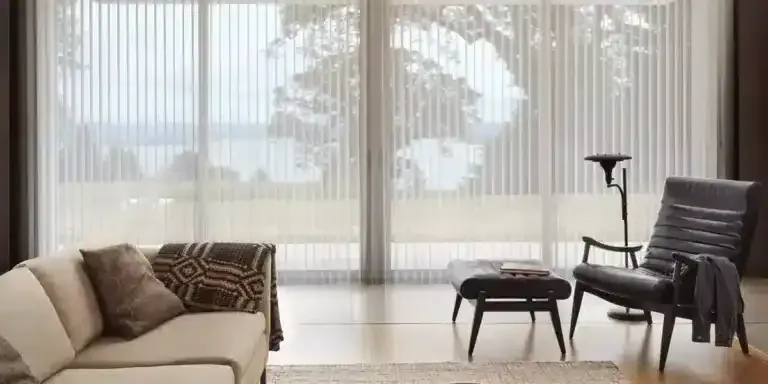
Designer Roller Shades are a single layer of fabric that rolls up into a cassette. They’re sleek, modern, and offer excellent light control, but they don’t insulate the way Duette shades do. They’re better suited for spaces where you want a clean look and you’re more concerned with glare, privacy, or UV protection than thermal performance.
In The Crossings, most homeowners dealing with high energy bills or rooms that get uncomfortably hot choose Duette. If you’re outfitting a media room, home office, or any space where you need precise light control and aesthetics matter, Designer Roller Shades make more sense. You can also mix products throughout your home—Duette on sun-facing windows, rollers in bedrooms or living areas. It’s not one-or-the-other. We help you figure out what works best for each room based on how you actually use the space.
No. PowerView works as a standalone system right out of the box. You control it through the PowerView app on your phone or tablet, and you can set schedules, create scenes, and operate your shades from anywhere without needing any other smart home equipment.
That said, PowerView does integrate with most major smart home platforms—Alexa, Google Assistant, Apple HomeKit, Control4, Savant, and others. If you already have a smart home setup, we can connect your shades so they work with your existing routines and voice commands. For example, you could say “Alexa, good morning” and have your shades open, lights turn on, and thermostat adjust all at once.
If you don’t have a smart home system and you’re not planning to build one, that’s fine. PowerView still gives you full automation and control. The app is intuitive, and once you set your schedules, the system runs on its own. You’re not locked into buying additional hubs or devices unless you want that level of integration. It’s flexible, and it works however you want to use it.