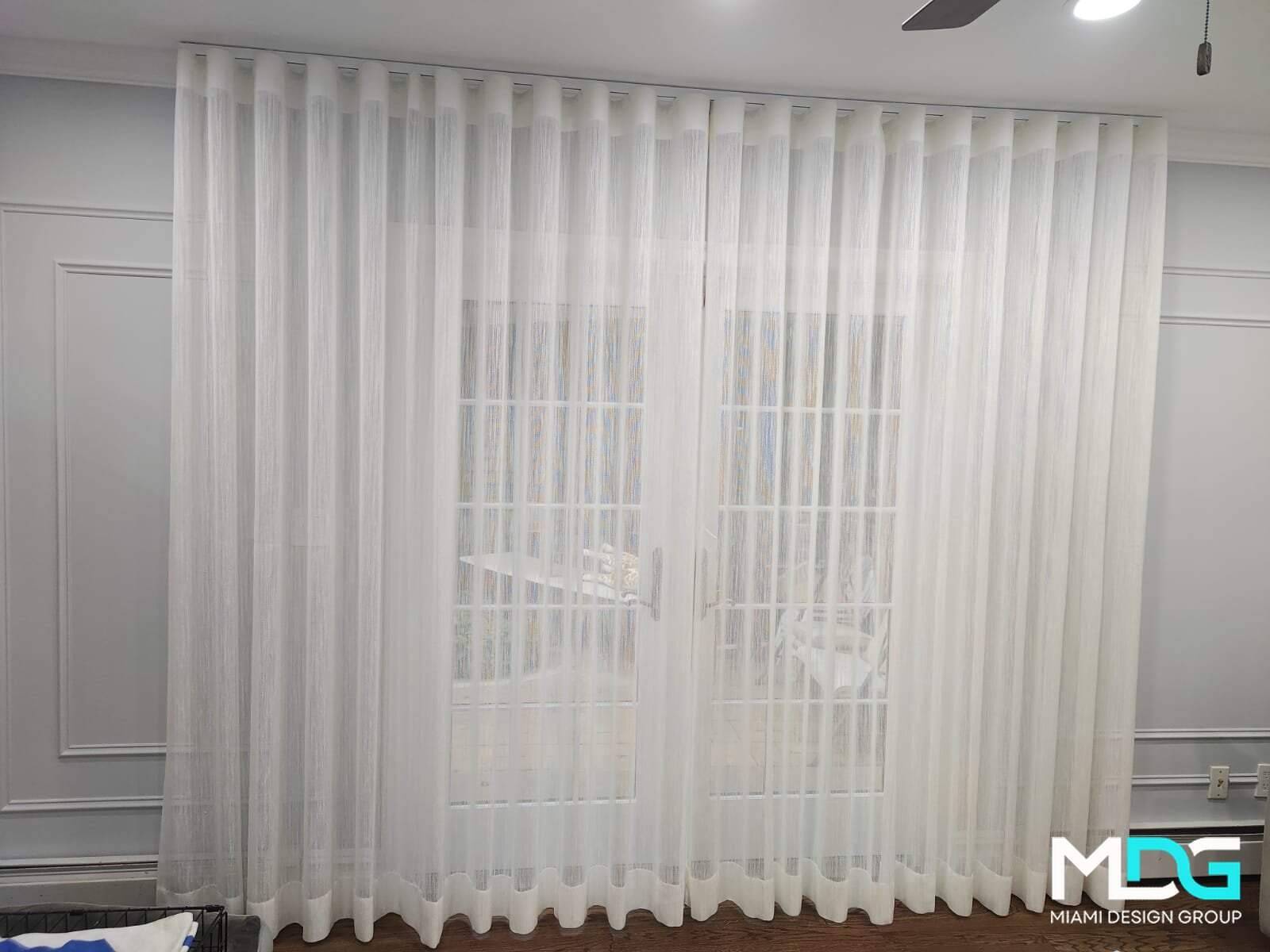
Discover the ideal cleaning frequency for your Miami window treatments and extend their lifespan with proper maintenance.
Share:

Summary:
Miami’s coastal environment creates the perfect storm for window treatment challenges. The constant moisture in the air can lead to the accumulation of dirt, mold, and damage, with excess moisture causing condensation on window surfaces.
Your blinds and shades aren’t just decorating your windows—they’re actively filtering out humidity, salt particles, and UV rays that would otherwise damage your furniture and flooring. This protective role means they’re constantly collecting contaminants that can break down materials over time.
High moisture levels can cause mold and mildew growth, discoloration, offensive smells, and warping when materials are exposed to excessive moisture. Without proper maintenance, what started as a beautiful window treatment investment can quickly become an eyesore that needs premature replacement.

Here’s what most homeowners don’t realize: the cost of regular cleaning is a fraction of replacement costs. When you skip maintenance, you’re not just dealing with dirty window treatments—you’re looking at potential structural damage to the mechanisms, fabric degradation, and health issues from mold and allergen buildup.
Metal components can rust and degrade, shortening your window coverings’ lifespan. In Miami’s humid environment, this process accelerates significantly. What might take years in a dry climate can happen in months here.
The financial impact goes beyond just replacement costs. Dust, dirt, grime, and allergen buildup may accumulate, creating an unsightly appearance and could even trigger allergies. Poor indoor air quality can lead to increased medical expenses and reduced quality of life for your family.
Professional cleaning services in Miami typically charge $5–$10 per window, while replacement costs for quality window treatments can run hundreds or thousands of dollars per room. The math is simple: regular maintenance pays for itself many times over.
Consider also the energy efficiency factor. Dirty window treatments don’t regulate light and temperature as effectively, potentially increasing your cooling costs in Miami’s year-round warm climate. Clean, properly functioning blinds and shades can significantly reduce your energy bills.
Here’s what most homeowners don’t realize: the cost of regular cleaning is a fraction of replacement costs. When you skip maintenance, you’re not just dealing with dirty window treatments—you’re looking at potential structural damage to the mechanisms, fabric degradation, and health issues from mold and allergen buildup.
Metal components can rust and degrade, shortening your window coverings’ lifespan. In Miami’s humid environment, this process accelerates significantly. What might take years in a dry climate can happen in months here.
The financial impact goes beyond just replacement costs. Dust, dirt, grime, and allergen buildup may accumulate, creating an unsightly appearance and could even trigger allergies. Poor indoor air quality can lead to increased medical expenses and reduced quality of life for your family.
Professional cleaning services in Miami typically charge $5–$10 per window, while replacement costs for quality window treatments can run hundreds or thousands of dollars per room. The math is simple: regular maintenance pays for itself many times over.
Consider also the energy efficiency factor. Dirty window treatments don’t regulate light and temperature as effectively, potentially increasing your cooling costs in Miami’s year-round warm climate. Clean, properly functioning blinds and shades can significantly reduce your energy bills.
Want live answers?
Connect with a Miami Design Group expert for fast, friendly support.
The “how often” question depends entirely on what type of window treatments you have and where they’re installed in your home. Clean your blinds and shades every two weeks to keep them looking their best, with regular dusting to prevent the buildup of grime and allergens.
However, this general guideline needs adjustment based on your specific situation. High-traffic areas, rooms with cooking or bathing activities, and windows facing the ocean require more frequent attention than bedroom windows that stay closed most of the time.
The key is establishing a routine that prevents buildup rather than waiting until cleaning becomes a major project. Regular light maintenance is always easier and more effective than infrequent deep cleaning sessions.
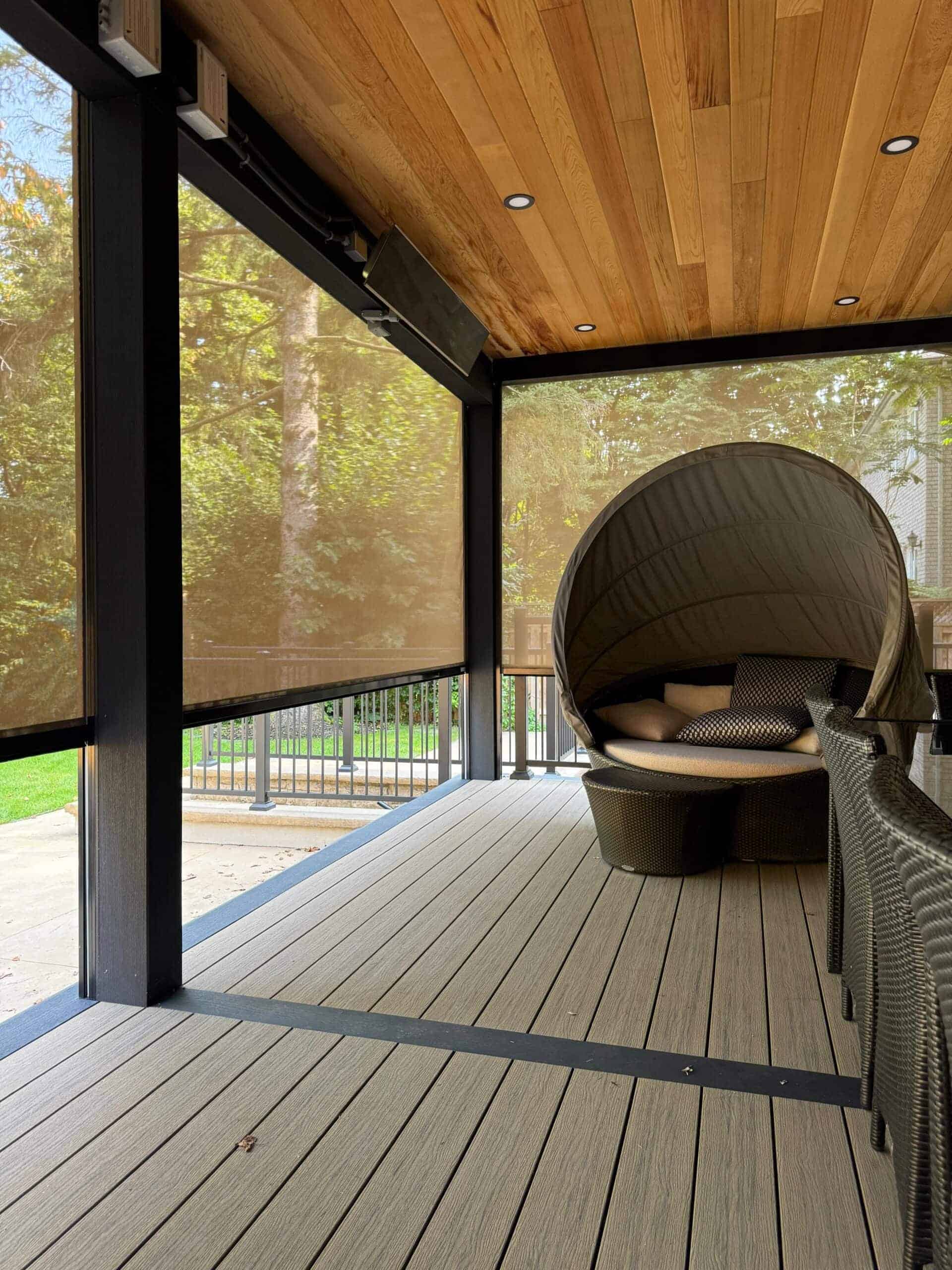
Fabric-based shades including roller shades, zebra shades, cellular shades, outdoor shades, dual shades, and Roman shades should be dusted at least once a month, with deeper cleaning recommended twice per year.
For roller shades and solar shades, the smooth surface makes them relatively easy to maintain. Quick maintenance cleans once or twice a month will keep your window shades looking as fresh and bright as the day they were installed. Use a vacuum with brush attachment or microfiber cloth for regular dusting.
Roman shades require more careful attention due to their pleated design. Use a lint roller to remove dust and stubborn hairs, then dampen a clean cloth in fresh water for spot cleaning dirt or stains, dabbing rather than rubbing.
Cellular or honeycomb shades present unique challenges. Their open cell shape collects a lot of dust, requiring the brush attachment on your vacuum cleaner to remove dust from the outside, followed by using a hairdryer on a cool setting to blow dust and dirt from inside the cells.
For outdoor fabric shades, the schedule intensifies significantly. A weekly cleaning schedule is recommended for exterior solar shades as they’re exposed to more dirt, dust, pollen, and other debris. This prevents buildup that becomes much harder to remove over time.
When deeper cleaning becomes necessary, avoid the temptation to machine wash fabric shades. If your fabric shades are very dirty, take them to a dry cleaner to ensure they are cleaned properly without getting damaged.
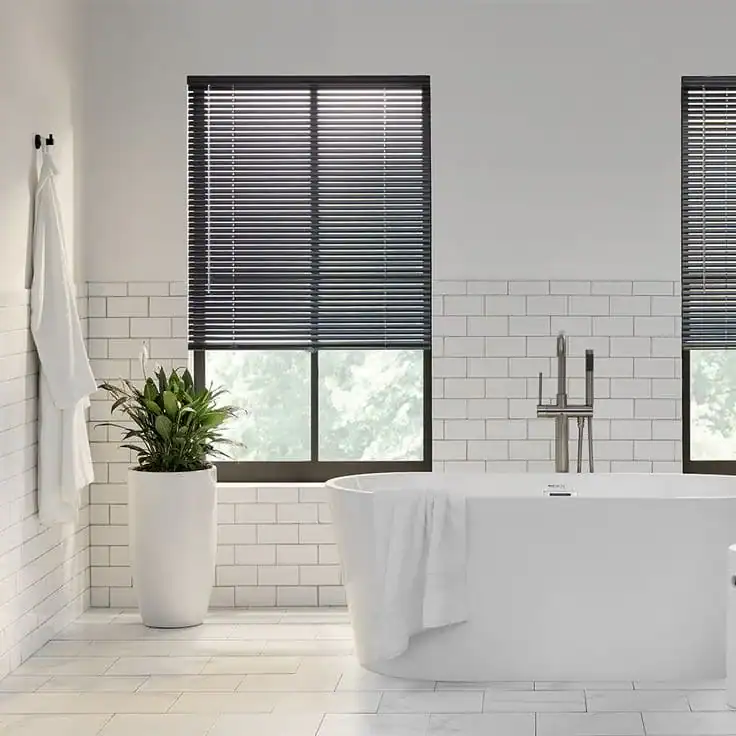
Hard surface blinds generally require less frequent deep cleaning but benefit from more regular light maintenance. Dust them weekly with a duster to keep surface dust from settling on the material, and don’t forget to dust any strings, wands, or cords.
Wood blinds need the most careful approach in Miami’s climate. Limit moisture to an amount that can evaporate relatively quickly and do not allow excessive moisture to remain on wood products or stay on the wood for a prolonged period. Monthly dusting with occasional damp cloth cleaning works best.
Faux wood blinds are your most forgiving option. Faux wood blinds and shutters are ideal for areas like kitchens and bathrooms that require frequent cleaning, as these window treatments repel stains caused by moisture or humidity and can simply be wiped with a damp cloth.
For aluminum and vinyl blinds, you can be more aggressive with cleaning. They can be dusted or wiped occasionally with a damp sponge containing a very mild solution of soap and warm water, starting at the top and working your way down to avoid getting dust on slats you already cleaned.
Woven wood shades should be vacuumed weekly to prevent the buildup of dust and dirt, with deep cleaning every two months to remove accumulated debris. The natural texture of these materials tends to trap particles more than smooth surfaces.
Professional maintenance becomes important when you notice issues beyond surface cleaning. If your window treatments exhibit mold or mildew that is not resolved by routine cleaning, or if you observe warping or other damage, it may be time to get expert assistance.
The right cleaning schedule for your blinds and shades isn’t just about appearance—it’s about protecting a significant investment in your home’s comfort and value. Regular cleaning and maintenance of your blinds and shades are essential for longevity and appearance, so assess their condition, follow cleaning guidelines, and take preventive measures to keep them looking their best.
Remember that professional house cleaners or dry cleaners can get all of your window treatments spotless once or twice per year, making it much easier to keep up with weekly maintenance. This professional touch, combined with your regular care routine, ensures maximum longevity.
When you’re ready to upgrade or need expert advice on maintaining your current window treatments, we understand the unique challenges of our coastal climate and can help you choose solutions that will stand the test of time while requiring minimal maintenance.
Article details:
Share:
Continue learning: