Miami homeowners often make preventable mistakes when choosing window treatments. Learn the pitfalls to avoid and expert solutions for blackout shades, custom coverings, and more.
Share:
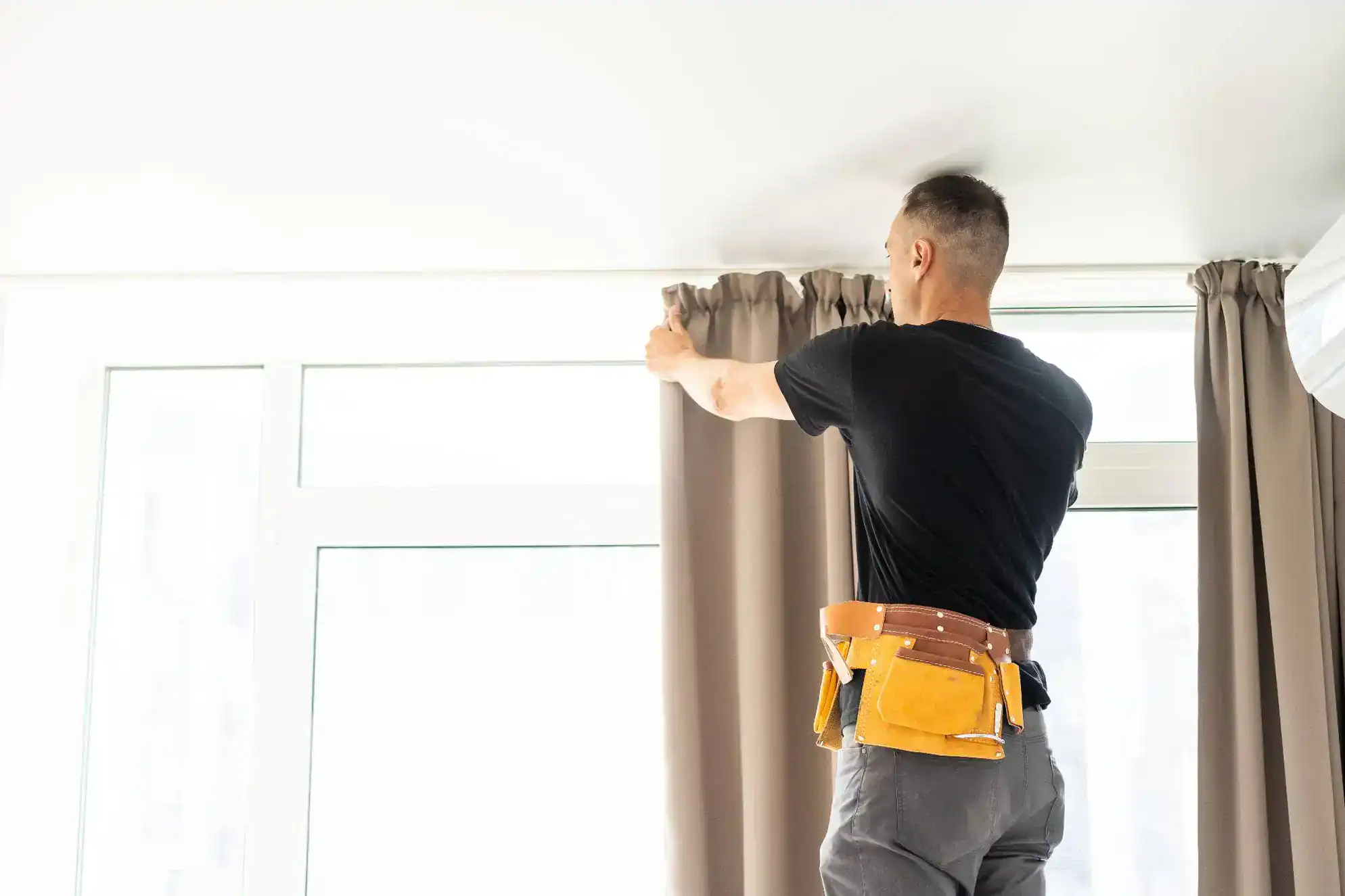
Summary:
Measuring seems straightforward until you realize how precise it needs to be. Custom window treatments are manufactured to the exact dimensions you provide. A quarter-inch error isn’t a minor detail—it’s the difference between a perfect fit and a product that makes your window look like it’s wearing “hand-me-down” clothes.
Research shows that 78% of installation failures come from measurement errors larger than a quarter inch. The culprit is often something simple: using the wrong tools, assuming windows are identical, or trying to measure existing blinds instead of the actual window opening.
Here’s the truth about Miami homes: windows settle differently over time. Even in newer construction, there can be slight variations. If you measure one window and assume the other five in the room are identical, you’re essentially gambling with your decor. One shade will hang perfectly, while the next will leave a light gap that lets the sun wake you up at 6 AM like an unwanted alarm clock.
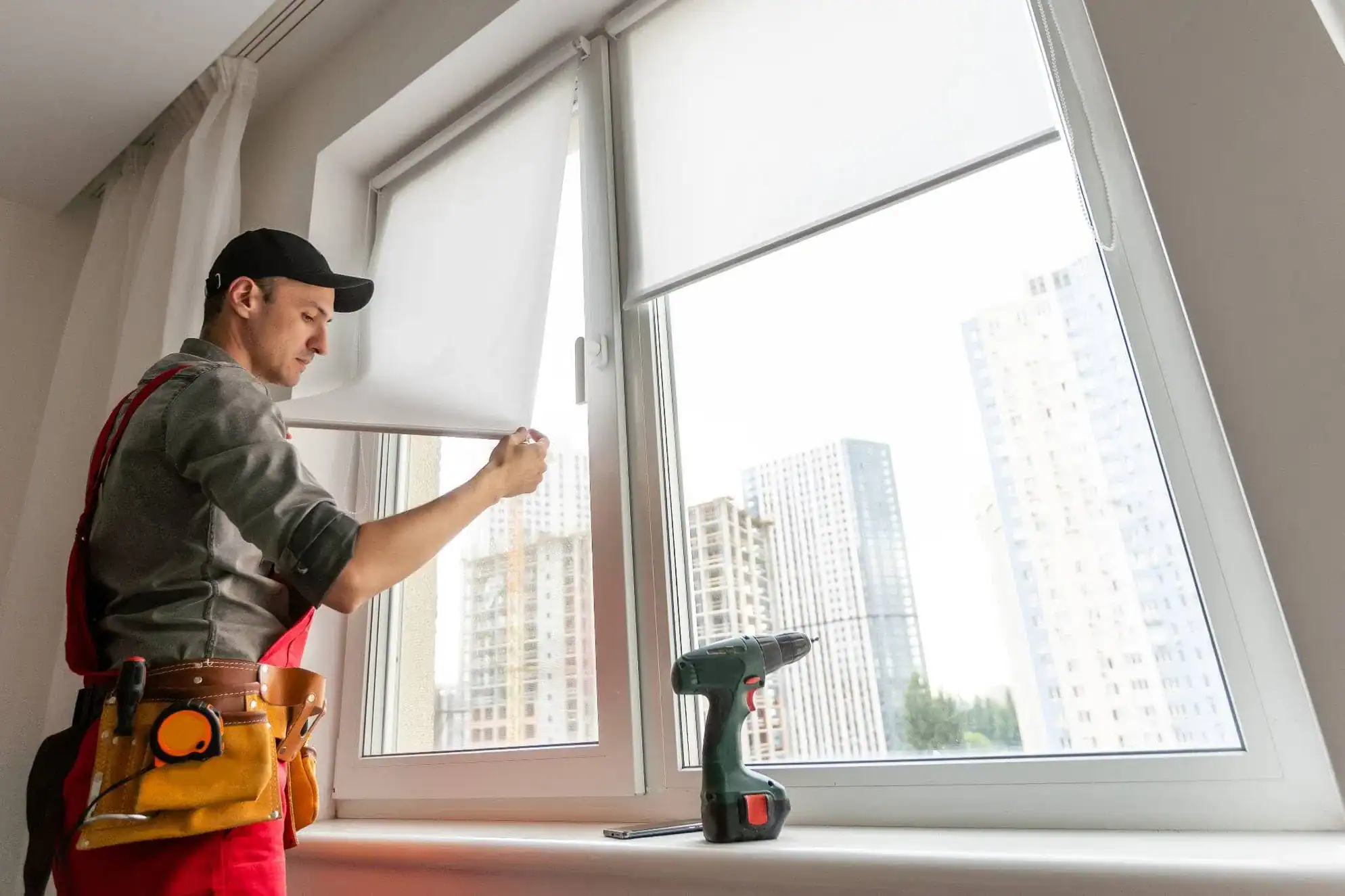
Cloth tape measures are fine for sewing a summer dress, but they’re terrible for windows. Fabric stretches, sags, and gives inconsistent readings—which is why nearly 25% of all measuring mistakes come from using the wrong tape. Using a cloth tape for a 72-inch window is like trying to measure a marathon with a piece of cooked spaghetti.
Cloth tape measures are fine for sewing a summer dress, but they’re terrible for windows. Fabric stretches, sags, and gives inconsistent readings—which is why nearly 25% of all measuring mistakes come from using the wrong tape. Using a cloth tape for a 72-inch window is like trying to measure a marathon with a piece of cooked spaghetti.
Want live answers?
Connect with a Miami Design Group expert for fast, friendly support.
Fabric choice in Miami isn’t just about what looks good on Pinterest—it’s about survival. Our climate is essentially a giant humidity chamber designed to test the limits of home decor.
Natural fabrics like cotton and linen look beautiful, but in South Florida, they act like giant sponges. They absorb moisture, leading to mold, mildew, and warping. Choosing 100% natural linen for a Miami bathroom is like inviting a science experiment to live on your window.
Synthetic fabrics—like polyester and acrylic blends—handle our conditions much better. They resist moisture, don’t warp, and hold up to UV exposure without turning into a pile of dust in three years. Faux wood blinds also outperform real wood every time here; they won’t crack or swell when the humidity hits 90%, which, let’s be honest, is every Tuesday.

Miami gets over 250 days of sunshine a year. To your window shades, that’s not “beach weather”—it’s a material stress test. About 76% of sunlight that hits a standard window turns into heat inside your home. If your shades can’t handle it, they will fade faster than your summer tan. UV rays are the silent enemy of your home. They don’t just fade the shades; they eat your furniture and flooring for breakfast. Blackout shades are designed to block up to 99% of those rays, serving as a bodyguard for your expensive rug.
Pro tip: direction matters. West-facing windows take the brunt of the afternoon “broil.” If you don’t use heavy-duty blackout or solar fabric there, that room will feel like a sauna by 4 PM. Also, remember that light-colored backings reflect heat better. It might feel counterintuitive, but a light-colored shade with a white backing can actually keep a room cooler than a dark one that just absorbs the heat.
Not every room needs to be a sensory deprivation tank. Blackout shades are essential for bedrooms and nurseries, but in a living room, they might make you feel like you’re living in a bunker.
Window treatment mistakes are common, but they are entirely avoidable. The secret is matching the right material to Miami’s unique environment and making sure the fit is perfect. Accurate measurement and climate-proof fabric are the baseline for a comfortable home.
Don’t let your windows become a “pane” in your neck. If you’re ready to skip the trial and error and get straight to the “perfect fit” part of the process, we can help. We handle everything from the first measurement to the final installation, making sure your shades perform exactly as promised.
Article details:
Share:
Continue learning: