Explore 2026's trending retractable awning styles and colors that boost curb appeal while keeping your Boca Raton home cool and comfortable year-round.
Share:
Summary:
Awnings aren’t what they used to be. The stiff, dated structures from a decade ago have been replaced by systems that integrate with your phone, adjust automatically based on weather, and come in colors that don’t look like they belong on a 1980s storefront.
The shift toward automation stands out most. Motorized awnings with built-in sensors now extend when the sun hits and retract before wind becomes a problem. You’re not manually cranking anything or rushing outside during a storm.
Materials have improved too. Modern awning fabrics block up to 77% of solar heat gain on west-facing windows, which translates to real savings when your AC doesn’t have to work as hard. And the frames? They’re lighter, stronger, and designed to handle Florida’s humidity without rusting or warping over time.

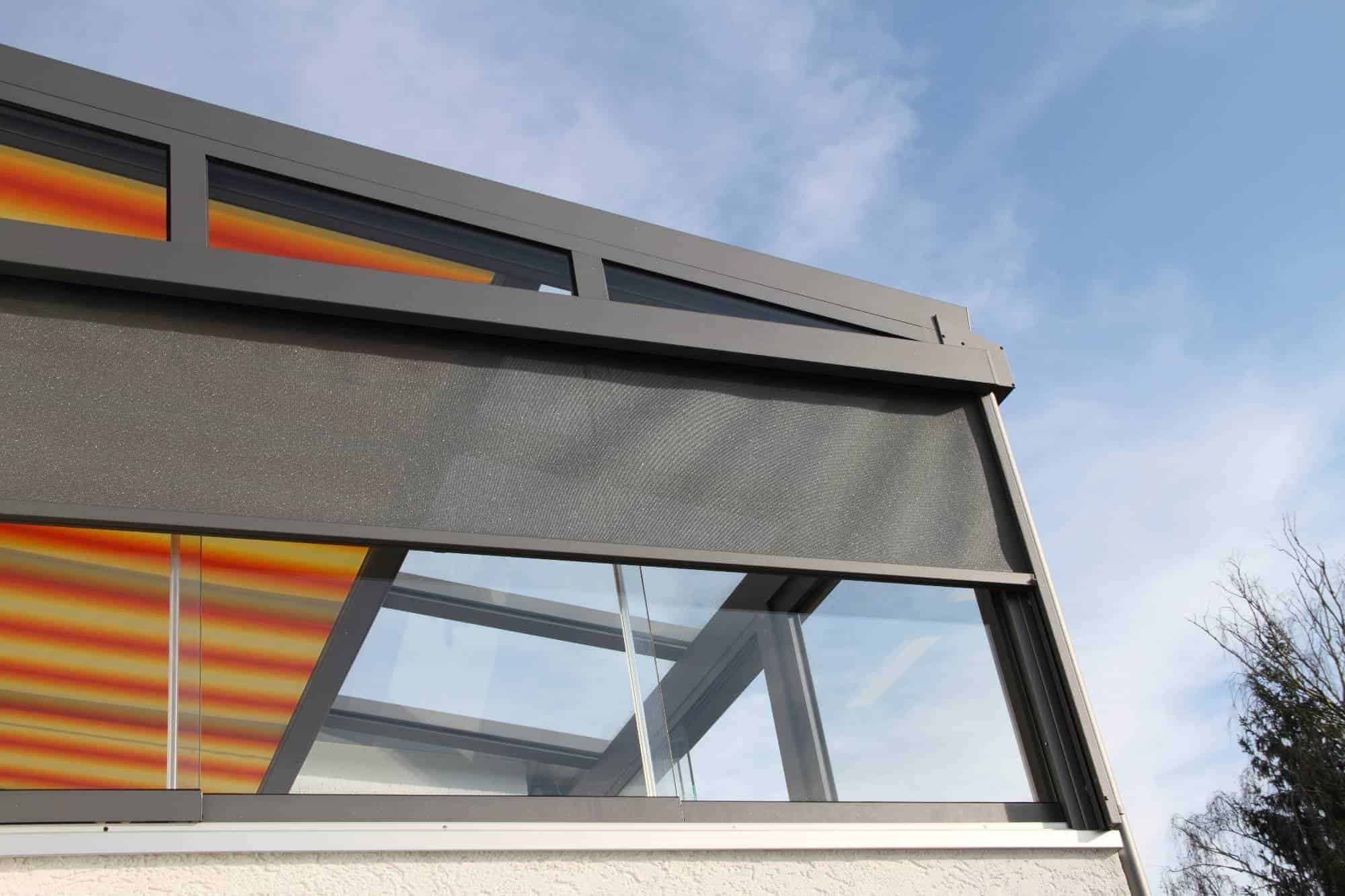
Beige is out. So are the muted earth tones that used to dominate patio awnings across Boca Raton. Homeowners in 2026 are choosing canary yellow, royal blue, and crimson red—colors that make a statement without looking cartoonish.
Black-and-white awnings remain a classic choice for those who want elegance without the pop of color. The contrast creates a luxury feel that works especially well on contemporary homes with clean lines and large glass doors. It’s bold in a different way.
But here’s what matters beyond aesthetics: color affects how much heat your awning traps or reflects. Light colors like white and pastels push sunlight away from your home, keeping your patio cooler and reducing the load on your air conditioning. Darker colors absorb more heat, which means they’ll warm the space underneath rather than cool it.
If energy savings drive your decision, stick with lighter shades. Navy and hunter green work if you want depth without sacrificing too much cooling performance. Just know that darker fabrics will fade faster under Florida’s relentless sun, so factor replacement timelines into your choice.
Patterns are making a comeback too, but not the busy stripes from decades past. Think modern geometric designs or subtle color blocking that adds visual interest without overwhelming your home’s exterior. The key is choosing something that complements your architecture rather than fighting against it.
And if you’re unsure? Look at your home’s trim, your outdoor furniture, and even your landscaping. Your awning should tie into that existing palette, not stand apart from it. When done right, it feels like it was always meant to be there.
Beige is out. So are the muted earth tones that used to dominate patio awnings across Boca Raton. Homeowners in 2026 are choosing canary yellow, royal blue, and crimson red—colors that make a statement without looking cartoonish.
Black-and-white awnings remain a classic choice for those who want elegance without the pop of color. The contrast creates a luxury feel that works especially well on contemporary homes with clean lines and large glass doors. It’s bold in a different way.
But here’s what matters beyond aesthetics: color affects how much heat your awning traps or reflects. Light colors like white and pastels push sunlight away from your home, keeping your patio cooler and reducing the load on your air conditioning. Darker colors absorb more heat, which means they’ll warm the space underneath rather than cool it.
If energy savings drive your decision, stick with lighter shades. Navy and hunter green work if you want depth without sacrificing too much cooling performance. Just know that darker fabrics will fade faster under Florida’s relentless sun, so factor replacement timelines into your choice.
Patterns are making a comeback too, but not the busy stripes from decades past. Think modern geometric designs or subtle color blocking that adds visual interest without overwhelming your home’s exterior. The key is choosing something that complements your architecture rather than fighting against it.
And if you’re unsure? Look at your home’s trim, your outdoor furniture, and even your landscaping. Your awning should tie into that existing palette, not stand apart from it. When done right, it feels like it was always meant to be there.
Want live answers?
Connect with a Miami Design Group expert for fast, friendly support.
Color isn’t just about looks. It determines how much heat your awning blocks, how long the fabric lasts, and how much you’ll save on cooling costs over the next decade.
Light-colored awnings reflect sunlight away from your home. White, cream, light gray—these shades keep the space underneath cooler and reduce the amount of heat that reaches your windows and doors. Studies show they can lower indoor temperatures by up to 15 degrees, which means your air conditioner runs less and your energy bills drop.
Dark colors absorb heat instead of reflecting it. A black or deep brown awning will trap warmth, making the shaded area beneath it feel hotter rather than cooler. If you’re choosing an awning primarily for temperature control, darker shades work against you.

Boca Raton’s climate demands colors that can handle intense UV exposure without fading into something unrecognizable within two years. Not all fabrics hold up equally.
Lighter yellows, blues, and greens tend to be more fade-resistant than deeper, richer tones. If you’re drawn to bold colors, look for solution-dyed acrylic fabrics where the color is embedded into the fiber itself rather than applied as a coating. These hold their vibrancy longer, even under Florida’s harsh sun.
Neutrals remain the safest bet for longevity. Grays, beiges, and whites show less visible fading over time, and they complement virtually any home exterior. They’re also easier to coordinate with future changes to your patio furniture or outdoor decor.
For traditional-style homes, forest green and navy blue offer classic appeal without the energy penalties of darker shades. These colors provide enough depth to add visual interest while still reflecting a reasonable amount of heat.
Modern homes with clean lines and contemporary architecture look best with monochromatic schemes. Black, white, or charcoal gray awnings create that sleek, sophisticated look without clashing with the minimalist aesthetic. Just remember that black will absorb more heat, so if your patio faces west and gets afternoon sun, you might want to reconsider.
Striped patterns are making a comeback, but with a twist. Instead of the narrow, busy stripes from decades past, modern striped awnings feature wider bands of color that create visual impact without looking dated. The rule of thumb: the larger the awning, the wider the stripe should be. Narrow stripes on a big awning look overwhelmed and lose their effect.
And here’s something most people don’t consider: your awning’s cassette housing (the part that holds the rolled-up fabric when it’s retracted) can match your home’s exterior color to make it nearly invisible when not in use. This matters if you care about maintaining clean sightlines and don’t want a visible box on your wall year-round.
You can pick the perfect color, but if the fabric quality is poor, you’ll be replacing it within a few years. South Florida’s combination of intense UV exposure, humidity, and occasional storms destroys inferior materials quickly.
Solution-dyed acrylic fabrics represent the current standard for quality awnings. The color is part of the fiber itself, which means it won’t fade, peel, or wash out. These fabrics typically last 8 to 12 years with proper maintenance, and they resist mold and mildew better than cheaper alternatives.
Sunbrella remains one of the most recognized premium fabric brands, offering 98% UV protection and excellent colorfastness. The fabrics are engineered to repel water, resist fading, and maintain their appearance even in harsh climates. They come with 10-year warranties, which tells you something about their durability.
Laminated fabrics offer 100% waterproof protection if you need your awning to double as rain coverage. They’re heavier and more expensive than woven acrylics, but they create a true barrier against water rather than just water resistance. The trade-off is that they don’t breathe as well, so heat can build up underneath if air circulation is limited.
Cheaper vinyl or canvas options might save money initially, but they fade faster, tear more easily, and often need replacement within 3 to 5 years. When you factor in the cost of removing the old fabric and installing new material, plus the labor involved, you end up spending more over time than if you’d chosen quality fabric from the start.
Thread matters too. UV-stable thread prevents seams from degrading before the fabric itself wears out. Cheap thread breaks down under sun exposure, causing the awning to separate at the seams even when the fabric looks fine. Quality manufacturers use thread specifically designed for outdoor use.
And don’t overlook the warranty. A full warranty that covers the entire fabric for the warranty period protects you better than a prorated warranty where you pay an increasing percentage of replacement costs as time goes on. Read the fine print before you buy.
The best awning for your home depends on how you’ll actually use it. If you’re outside every morning with coffee and every evening for dinner, a motorized system with smart controls makes sense. If you want something that extends once in spring and retracts once in fall, manual might work fine.
Color should balance your aesthetic preferences with practical considerations like heat reflection and fade resistance. Light colors keep you cooler and last longer. Bold colors make a statement but require higher-quality fabrics to avoid looking washed out within a year.
And fabric quality isn’t negotiable in South Florida. The sun here destroys cheap materials fast. Invest in solution-dyed acrylics or premium brands that can actually handle the climate you’re working with.
If you’re ready to explore options that fit your home’s architecture, your budget, and your lifestyle, we can walk you through what works in Boca Raton specifically. At Miami Design Group, we understand South Florida’s unique challenges and work with the brands that hold up best in this environment.
Article details:
Share:
Continue learning: