Miami's heat and sun demand smarter solutions than manual adjustments. Explore home automation ideas that reduce energy bills, protect your furniture, and actually work with your lifestyle. It’s time your house started pulling its own weight.
Share:
Summary:
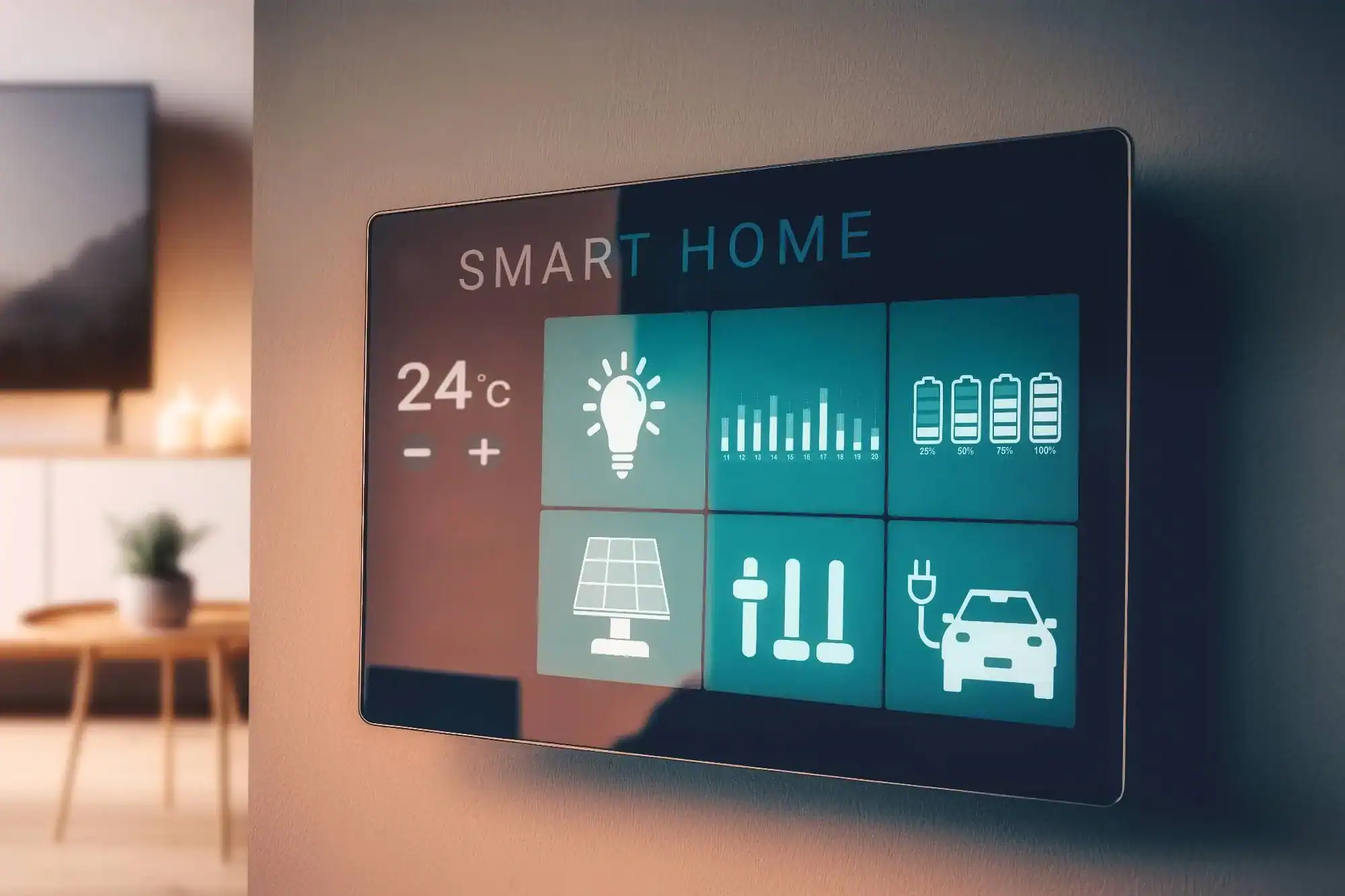
Home automation connects your devices so they communicate and respond to your routines without you having to nag them. Think of it as your home finally learning your patterns—like knowing you need the shades down at 3 PM without you having to get off the couch.
In Miami, this is practically a survival skill. Our cooling costs are already 10% higher than the national average. Solar heat gain through your windows accounts for up to 30% of those costs. Manual blinds are great in theory, but forgetting to close them once during a heatwave turns your living room into a terra-cotta oven. Smart automation fixes this in real time, so you can stop playing “Thermostat Wars” with the sun.
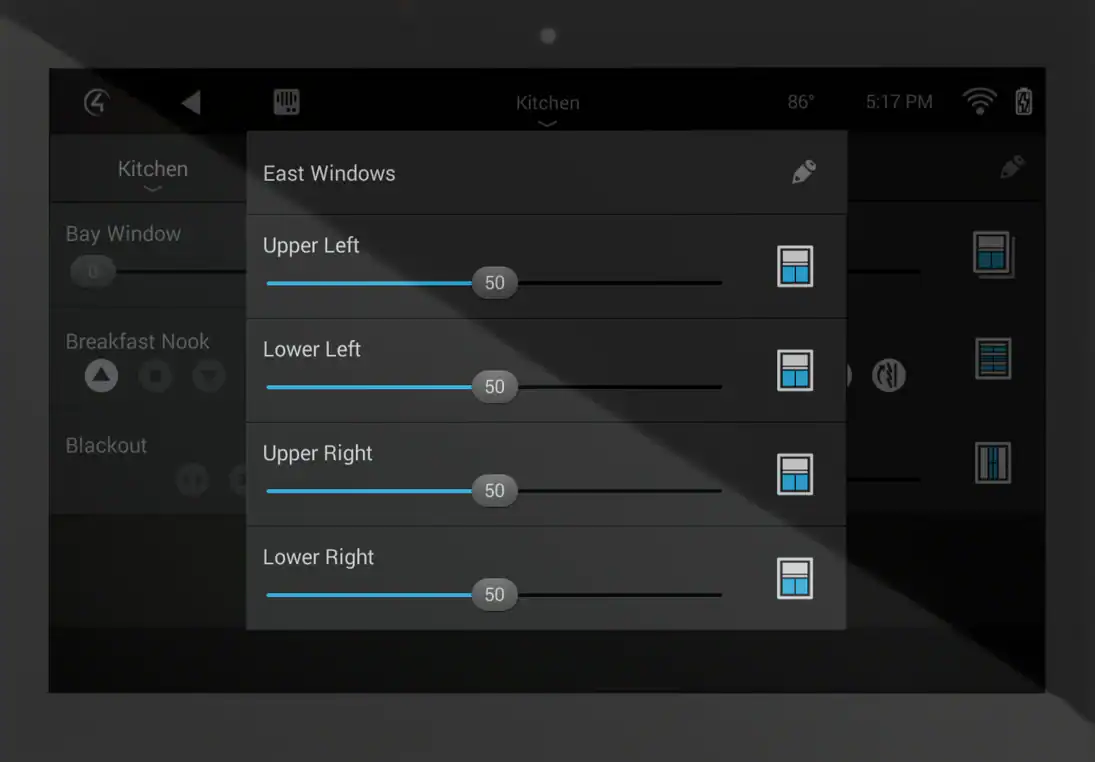
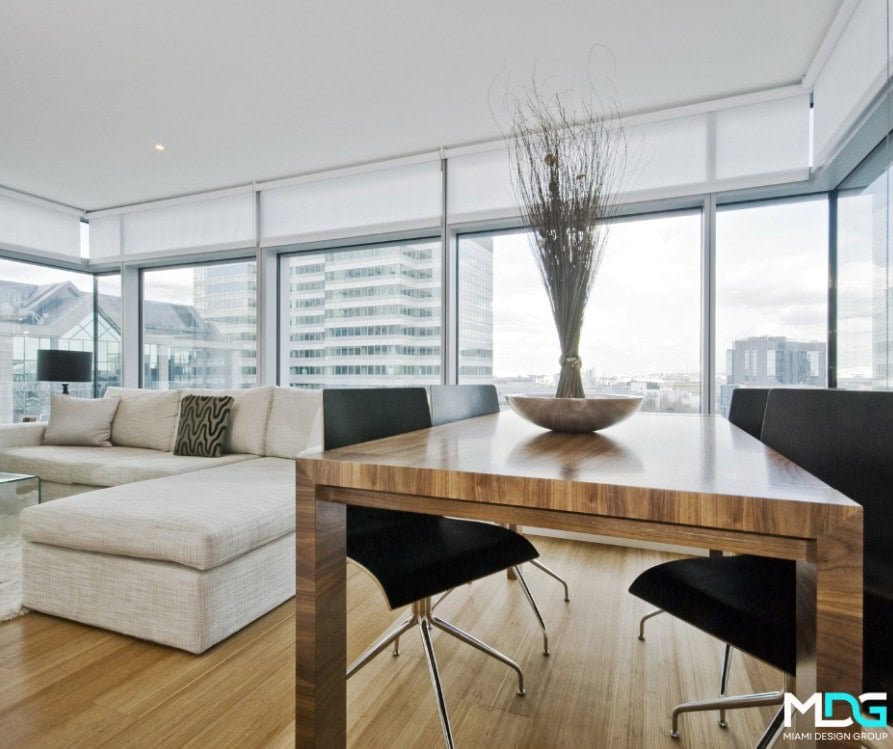
Let’s start with the heavy hitter for South Florida: motorized window shades. Homeowners here consistently see 15-25% reductions in summer cooling costs. That’s roughly $40-65 back in your pocket every month—enough to fund a very decent supply of Cuban coffee.
Manual blinds fail because nobody actually adjusts them five times a day. We’re busy (or lazy; we won’t judge). Motorized shades use sensors and schedules to do the “heavy lifting.” They close automatically between 11 AM and 4 PM when the sun is at its most aggressive. Some systems even talk to your thermostat, coordinating to keep the house at 74 degrees without your AC having a nervous breakdown.
Beyond the cash, you’re protecting your expensive rug and that leather sofa. Miami’s UV index regularly hits “Extreme” levels. Automated shades block 90% of harmful rays while still letting you see the skyline. It’s the ultimate “having your cake and eating it too,” provided the cake isn’t melting in a 90-degree sunbeam.
Let’s start with the heavy hitter for South Florida: motorized window shades. Homeowners here consistently see 15-25% reductions in summer cooling costs. That’s roughly $40-65 back in your pocket every month—enough to fund a very decent supply of Cuban coffee.
Manual blinds fail because nobody actually adjusts them five times a day. We’re busy (or lazy; we won’t judge). Motorized shades use sensors and schedules to do the “heavy lifting.” They close automatically between 11 AM and 4 PM when the sun is at its most aggressive. Some systems even talk to your thermostat, coordinating to keep the house at 74 degrees without your AC having a nervous breakdown.
Beyond the cash, you’re protecting your expensive rug and that leather sofa. Miami’s UV index regularly hits “Extreme” levels. Automated shades block 90% of harmful rays while still letting you see the skyline. It’s the ultimate “having your cake and eating it too,” provided the cake isn’t melting in a 90-degree sunbeam.
Want live answers?
Connect with a Miami Design Group expert for fast, friendly support.
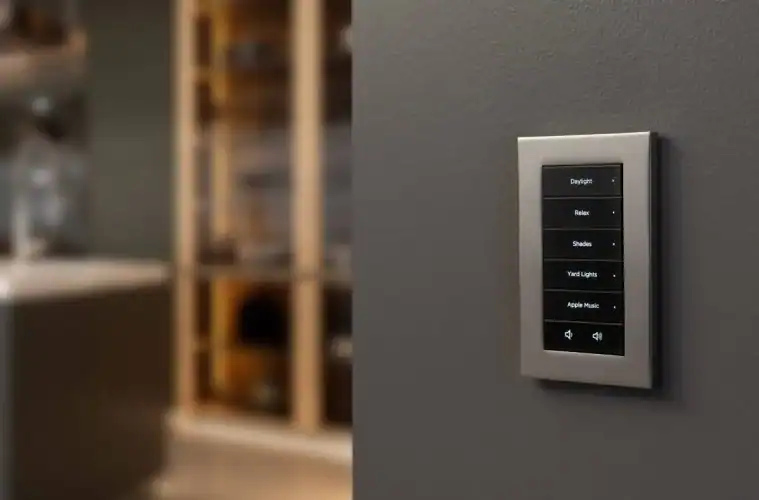
Voice assistants like Alexa, Google Assistant, and Siri have moved beyond being just fancy kitchen timers. The key to making them useful is “integration depth.” A speaker that just plays music is a toy. A system that locks your doors, adjusts the thermostat, and closes the shades when you say “Alexa, I’m leaving” is a tool. These multi-device routines are where the magic happens. It eliminates that 10-minute ritual of checking every window and switch before you can finally leave the house.
The #1 mistake? Buying devices that speak different languages. If your smart speaker uses Zigbee, your shades use Bluetooth, and your thermostat uses Wi-Fi, you’ve just created a digital Tower of Babel. You’ll end up with 15 different apps and a massive headache.
The solution: plan first. Choose an ecosystem—Google, Amazon, or Apple—and stick to it like glue. Also, check your Wi-Fi. Many smart devices struggle with Miami’s thick concrete walls. If your signal is weak, your “smart” home will act pretty “dumb.” Investing in a mesh Wi-Fi system is the secret to making sure your shades respond when you tell them to.
Also, don’t try to automate your whole life in one weekend. Start with the big wins: window treatments and climate control. Once those are saving you money, then you can move on to the smart toaster.
Security is about assurance, especially if you travel. Smart locks mean no more “hidden keys” under the mat (which everyone knows about anyway). You can give a temporary code to the house sitter and get a notification when they arrive.
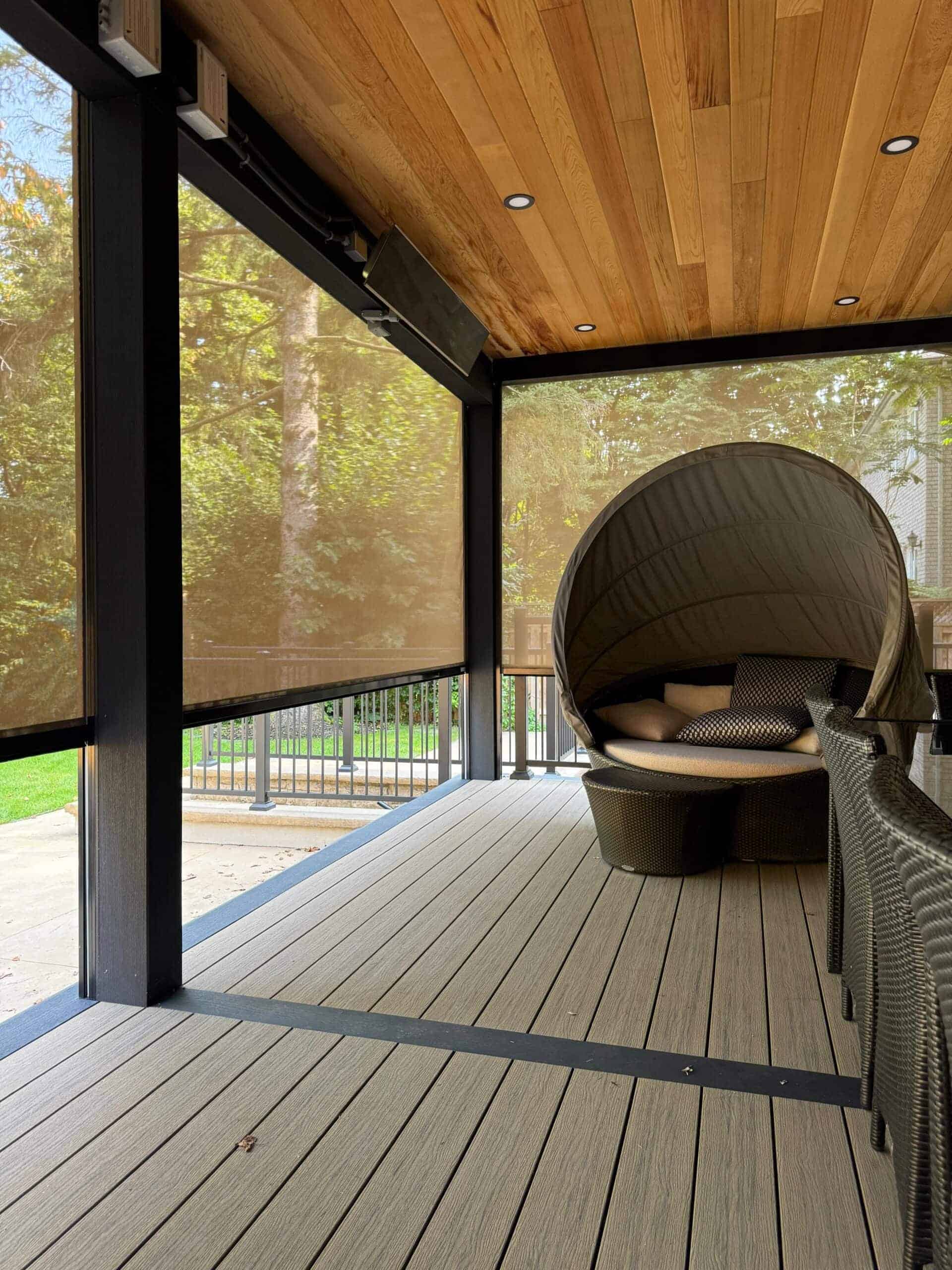
Outdoor automation is also a Miami must. Florida’s outdoor living means the patio is basically a second living room. Motorized outdoor shades can turn a sweltering 91-degree deck into a comfortable lounge area. And during hurricane season? These smart systems can be programmed to retract automatically when wind sensors detect a storm brewing. It’s much easier than sprinting outside in a downpour to save your awnings.
Home automation delivers real value when it solves actual problems. For us in Miami, that means fighting the heat, lowering the bills, and keeping the house secure while we’re at the beach.
Start with the basics—motorized shades and a smart thermostat. They pay for themselves, they protect your furniture, and they make you feel like the future has finally arrived. The technology is finally mature enough to be helpful rather than annoying.
We specialize in setting up integrated systems that actually play nice together, specifically designed for the challenges of the Miami sun.
Article details:
Share:
Continue learning: