Miami's humidity destroys basic blinds faster than a popsicle in the sun. Learn which waterproof options actually survive the "Splash Zone" in your kitchen and bathroom.
Share:
Summary:
You’ve probably noticed it already. That slight, tragic curve in your kitchen blinds near the sink that makes them look like they’re melting. Or your bathroom shades that have started growing a “science project” of mildew along the edges. It’s not you; it’s the fact that your windows are basically living in a sauna 24/7. Miami’s humidity is the ultimate uninvited guest, and it loves to hang out in your kitchen and bathroom. Between the pasta-boiling steam and the “I stayed in the shower too long” tropical fog, these rooms need window treatments that have more endurance than a marathon runner in August. The good news? You don’t have to choose between “chic” and “not-moldy.” There are materials specifically engineered to laugh in the face of a stray shower spray. You just need to know which ones are the real deal and which ones are just “wood-ish” imposters.
Walk into any South Florida home with real wood blinds in the bathroom, and you’ll see a tragedy in three acts: swelling, cracking, and eventual death by mold. Real wood is basically a sponge with a fancy coat of paint, and in Miami, that sponge is always “full.” Our local humidity hovers around “aquarium levels” most of the year, usually between 75-80%. When you add the localized steam of a hot shower or the splash-back from a frantic dish-washing session, you’re basically running a stress test on your decor. Standard materials simply weren’t built for a life in the Everglades. The right materials—like faux wood, high-grade aluminum, and vinyl—are the superheroes of the window world. They don’t absorb water, they don’t harbor mildew “colonies,” and they wipe clean faster than a spilled mojito. Choosing moisture-resistant options isn’t just a design preference; it’s an insurance policy against having to replace your blinds every time hurricane season rolls around.

Your kitchen is a battlefield where grease, steam, and rogue marinara sauce fly through the air with reckless abandon. Faux wood blinds are the reigning champions here because they offer that warm, “I’m a sophisticated chef” look without the wood-warping drama. They’re made from a sturdy polymer that won’t bow even when you’re boiling a giant pot of arroz con pollo. Aluminum blinds are the “industrial-cool” choice for windows that live dangerously close to the stove or sink. They are naturally rust-resistant and won’t turn into a pretzel when things get hot in the kitchen. Plus, their smooth surface is basically kryptonite for grease; a quick swipe with a damp cloth and they look brand new, unlike fabric shades that soak up cooking smells like a sponge. If you’re a fan of a cleaner, more modern look, vinyl roller shades are the way to go. Just make sure you’re picking a “blackout” or coated version that won’t absorb smells or steam. Standard fabric shades in a kitchen eventually start smelling like everything you’ve cooked for the last six months—and nobody wants their window to smell like fried onions on a Tuesday.
Bathrooms are essentially the “high-humidity end-boss” of your home, especially if the window is located inside the actual shower (which happens way too often in older Miami layouts). Faux wood blinds are great if they’re a few feet away, but if they’re getting hit with direct spray, they’re going to get “grimy” fast. For the ultimate “set it and forget it” bathroom vibe, look toward high-quality composite or vinyl. Composite shutters are basically the “luxury tank” of bathroom decor. They look exactly like expensive painted wood shutters, but they’re engineered to handle the steam of a thousand hot showers without ever cracking or peeling. They also give you the best privacy-to-airflow ratio, allowing you to tilt the louvers so you can vent the steam without giving the neighbors a free show. If your window is literally in the shower, you need to go full waterproof with vinyl or frosted glass film. Vinyl roller shades act like a stylish shower curtain for your window, shedding water and drying quickly to prevent any “funky” growth. Anything made of natural grass, bamboo, or untreated fabric in a Miami bathroom is just a countdown to a mildew disaster, so steer clear if you value your lungs.
Want live answers?
Connect with a Miami Design Group expert for fast, friendly support.
Not all windows are created equal, and your layout determines just how “waterproof” you actually need to be. A window that sits six feet away from the sink can get away with “moisture-resistant,” while the one inside your walk-in shower needs to be “submarine-grade.” It’s all about assessing the “Splash Zone” before you pull out the credit card. Understanding your specific floor plan helps you play “matchmaker” between your windows and the right materials. You don’t necessarily need the most expensive waterproof shutters for a tiny powder room window that only sees the occasional hand-wash splash. Saving where you can allow you to splurge on the high-traffic windows that really take a beating. Think about how you use the space; do you need to reach over a deep soaking tub or a cluttered kitchen sink to adjust the light? If so, the “how” of the installation matters just as much as the “what.” Let’s break down the most common South Florida scenarios so you can avoid a design “face-plant.”

The window above the kitchen sink is the prime real estate for “accidental soakings” and soapy splatters. Faux wood blinds are the go-to here because they can handle a stray spray from the vegetable sprayer without flinching. Plus, they give you that classic look that complements almost any countertop, from granite to quartz, without the maintenance of a high-strung natural material. Aluminum blinds are also fantastic for this spot because they are incredibly lightweight and won’t corrode. If you’re a fan of the “cordless” movement—which we highly recommend so you don’t have wet strings dangling into your dishwater—aluminum and faux wood both offer sleek, one-handed operation. They won’t absorb the moisture that inevitably rises every time you do the dishes. For the ultimate “lazy-but-smart” move, consider motorized roller shades for the sink window. There’s nothing more annoying than trying to adjust a blind while your hands are covered in soap suds. With a motorized vinyl shade, you can just tell Alexa to “lower the kitchen shade,” keeping your window treatments pristine and your hands in the sink where they belong.
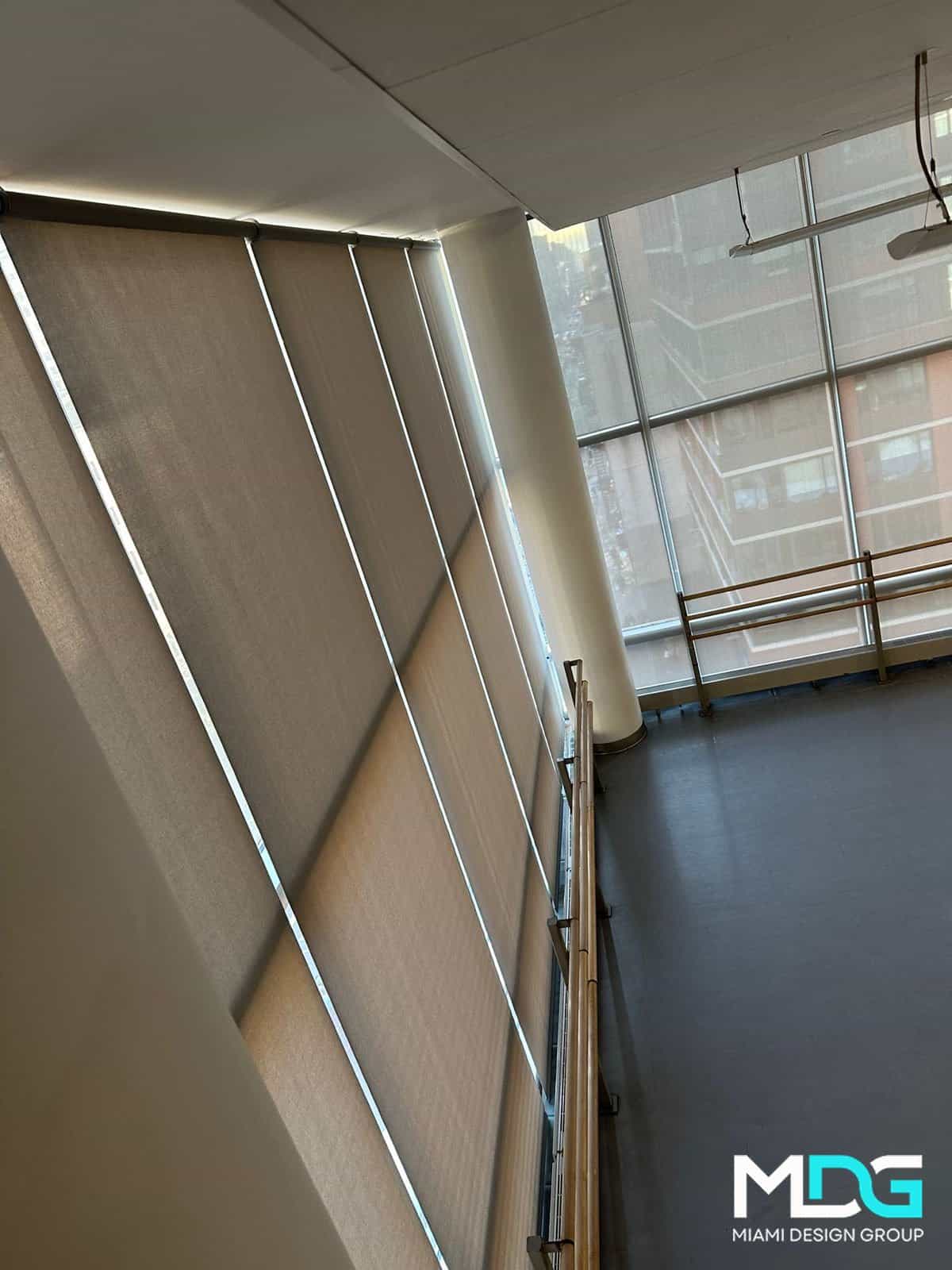
Shower windows are the most “dangerous” spots in the house for decor, as they are basically the front lines of the war against mold. Pure vinyl shutters are the undisputed heavyweights for this location because they are 100% waterproof and won’t rust, rot, or support the growth of anything “fuzzy.” They offer total privacy while you’re sudsing up, which is generally a top priority for most of us. If you want a more minimalist look, a frosted vinyl roller shade is a solid “plan B.” It provides a clean aesthetic and handles direct water contact like a champ, rolling up out of the way when you want to let the sun in to dry out the space. Just stay far, far away from aluminum blinds in the actual shower; unless they are specifically marine-grade, they can eventually corrode and leave ugly rust streaks on your tile. For those who want zero maintenance, frosted window film is the “set it and forget it” champion. It’s not technically a treatment, but it provides 24/7 privacy and doesn’t mind being soaked. However, if you want to be able to see outside occasionally to check if the UPS guy is at the door, stick with a waterproof shutter or shade that you can actually open.
At the end of the day, your kitchen and bathroom windows shouldn’t be a source of stress or “what is that smell?” mysteries. By picking materials that are born and bred for humidity, you can have a home that looks like a magazine spread even when the dew point is off the charts. Remember: faux wood, vinyl, and composite are your best friends in the 305. The key is to be realistic about your habits—if you know you’re a “messy cook” or your kids turn the bathroom into a water park every night, go for the most waterproof options available. Investing in the right materials now saves you from the “Miami double-buy,” where you have to replace cheap blinds every two years because they couldn’t handle the heat. If you’re ready to “damp-proof” your style and want to see these materials in person, we’re here to help. At Miami Design Group, we specialize in window treatments that can handle everything South Florida throws at them.
Article details:
Share:
Continue learning: