Not sure whether solar or blackout shades work best for your Miami bedroom? This guide breaks down the real differences to help you choose based on sleep, climate, and lifestyle.
Share:
Summary:
Your bedroom should be your sanctuary, but when Miami’s sunrise hits your windows at 6:00 AM like a spotlight, it feels more like an interrogation room. Choosing the right window treatment isn’t just a “design choice”—it’s a survival tactic. In a city where the sun is more aggressive than a tourist in a South Beach parking lot, the wrong shades can mean the difference between waking up refreshed or waking up in a puddle of sweat. Solar shades and blackout shades are the two heavy hitters of the window world. One acts like a pair of high-end sunglasses for your room, while the other effectively tells the sun to “go away” until you say otherwise. Both have their place in the 305, but they solve very different problems. Let’s dive into the “shade” of it all to find your perfect match. Regardless of if you’re trying to hide from the neighbors or just trying to keep your FPL bill from hitting triple digits, understanding the physics of your windows is key. We’re going to break down what works in our tropical sauna so you can finally get some shut-eye.
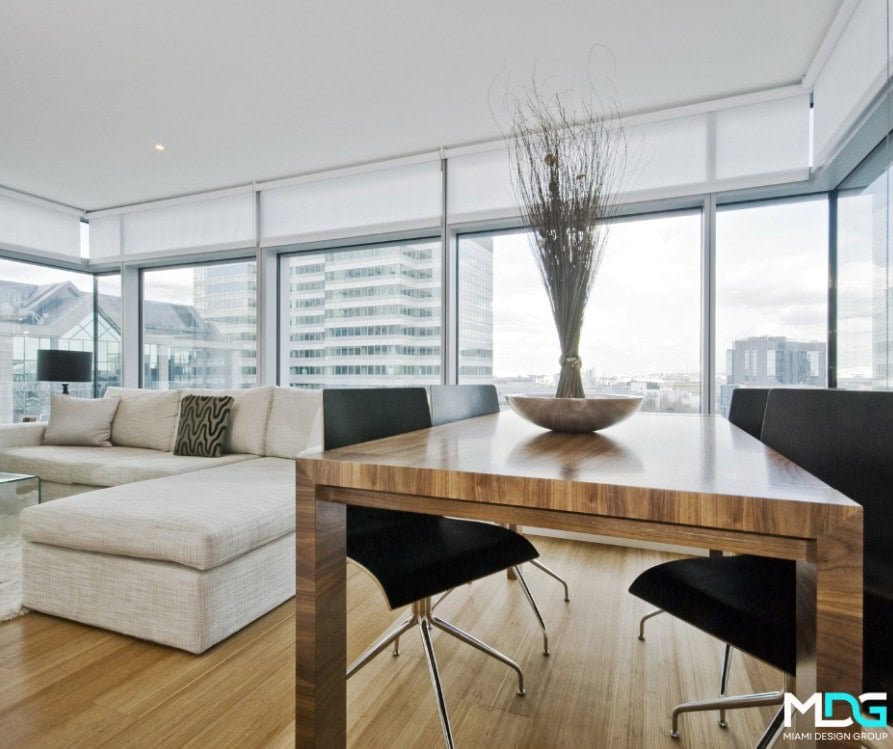
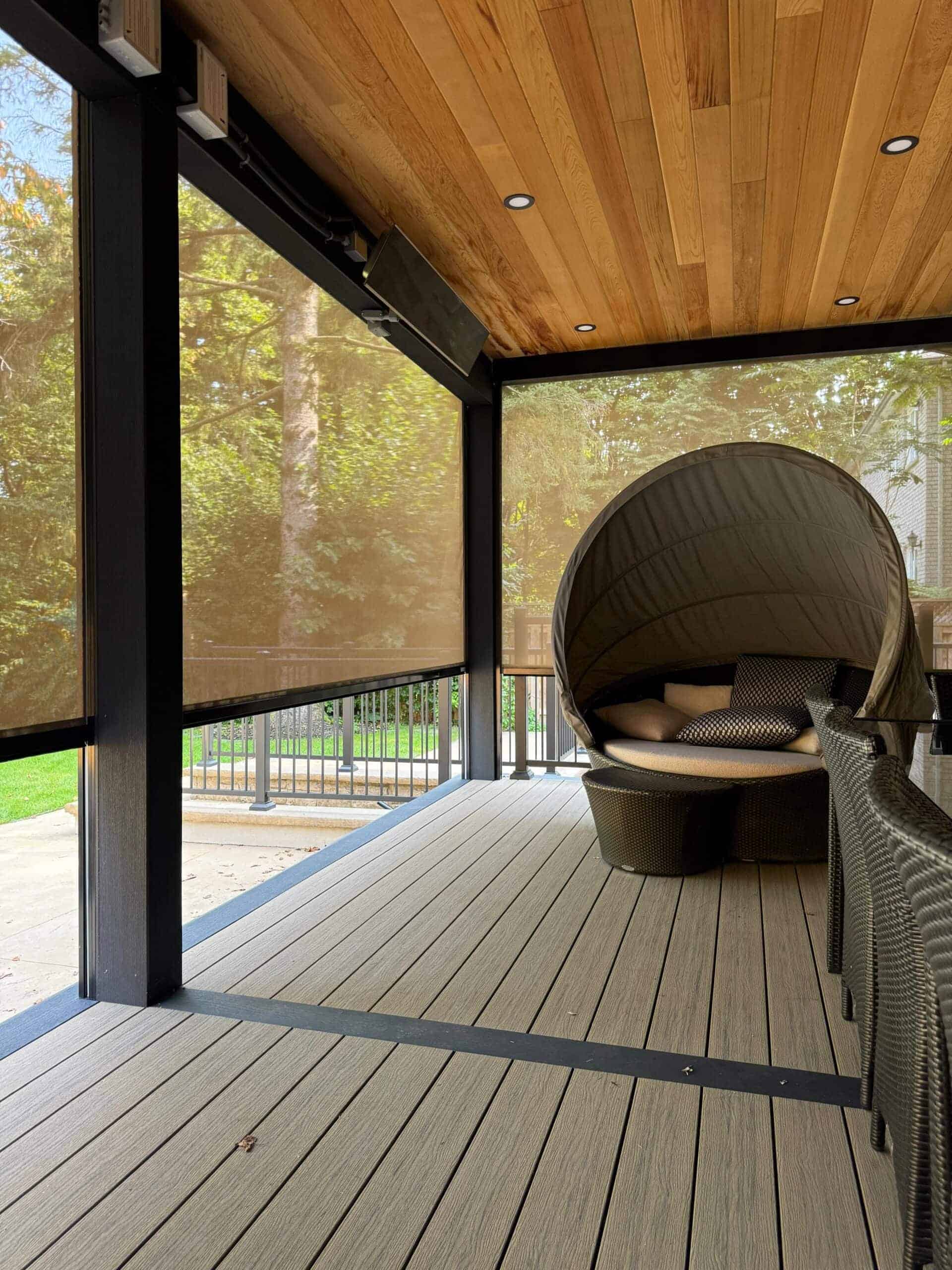
Solar shades are essentially a high-tech mesh designed to filter out the “angry” parts of sunlight. They are measured by an “openness factor,” which sounds like a personality trait but actually tells you how much you can see through the fabric. Most Miami bedrooms thrive with a 3% or 5% openness, which blocks enough heat to keep your room cool while still letting you see if your Amazon package has arrived. Think of them as SPF for your furniture. Miami’s UV index regularly hits “extreme” levels, which can turn your expensive navy blue rug into a sad, dusty gray in one summer season. Solar shades block up to 99% of those rays, preserving your interior design and your sanity. They keep the glare off your TV screen, making those Sunday afternoon football games actually watchable without closing every curtain in the house. The best part? You don’t have to sacrifice your view of the Biscayne Bay skyline. Because these shades filter light rather than blocking it entirely, you maintain a connection to the outside world. It’s the perfect compromise for the person who loves natural light but hates feeling like they’re living inside a magnifying glass held by a curious giant.

When the thermometer hits 90°F in Coral Gables, your windows become giant heaters. Solar shades respond by reflecting that solar energy back outside before it can turn your bedroom into a terrarium. Properly installed shades can reduce your cooling costs by a significant margin, meaning they eventually pay for themselves in FPL savings—which is the ultimate Miami flex. The color of your solar shades actually matters more than you’d think. Darker fabrics like charcoal or black actually provide a clearer view of the outside because they absorb more light and reduce reflection. Lighter colors like white or cream reflect more heat, keeping the room cooler, but they create a bit of a “haze” when you’re trying to look through them. It’s a classic Florida trade-off: do you want to be slightly cooler, or do you want to see the palm trees more clearly? However, there is a “gotcha” you need to know about: the Nighttime Privacy Paradox. During the day, you can see out and people can’t see in. But at night, when you turn on your bedroom lights, the effect reverses. You become the star of a shadow-puppet show for anyone walking by on the street. If you value your privacy after sunset, you’ll definitely need to layer these with curtains or go for a dual-shade system.
Solar shades are the MVP if your bedroom doubles as a home office or a yoga studio. They provide that bright, energized “Miami Vibe” without the harsh heat that makes you want to quit your Zoom call and jump in the pool. If you thrive on natural light and don’t mind a little bit of morning sun peeking through to wake you up, these are your best friends. They are also the top choice for those high-rise condos in Sunny Isles or Brickell. When you’ve paid for a floor-to-ceiling view of the ocean, the last thing you want to do is hide it behind a thick piece of vinyl. Solar shades allow you to protect your hardwood floors from the brutal afternoon sun while still enjoying the very view that cost you a small fortune. Lastly, they are incredibly durable and low-maintenance. In Miami’s humidity, fabric drapes can sometimes feel “heavy” or trap allergens. Solar shades are made from easy-to-wipe materials that don’t hold onto dust or moisture. They are a “set it and forget it” solution for the busy professional who wants a clean, modern look that doesn’t require a dry-cleaning bill every six months.
Want live answers?
Connect with a Miami Design Group expert for fast, friendly support.
Blackout shades are the ultimate “Do Not Disturb” sign for your windows. While solar shades filter light, blackout shades terminate it. They use multi-layered, opaque materials—often with a specialized backing—to ensure that not a single photon of light makes it into your room. When these are down, it’s midnight in your bedroom, even if it’s high noon on Ocean Drive. The difference in privacy is absolute. With blackout shades, you get 24/7 seclusion. No one can see in, and you can’t see out. This makes them the top choice for ground-floor bedrooms or homes that are uncomfortably close to the neighbors. It’s the closest thing you can get to living in a very stylish, very comfortable cave. Beyond just blocking light, they are heavy-duty insulators. The thick material creates a massive barrier between your room and the glass. This is especially helpful if your bedroom has older, single-pane windows that tend to leak AC like a sieve. They don’t just keep the room dark; they keep the “chill” in and the “grill” out.

If you’re a light sleeper, blackout shades are basically a medical necessity. Your brain needs darkness to produce melatonin, and even the faint glow of a streetlamp in Fort Lauderdale can mess with your sleep cycle. By creating a pitch-black environment, these shades help you fall asleep faster and stay asleep longer—no “sleep mask” required. They are also the unsung heroes of shift workers and parents of toddlers. Trying to convince a three-year-old it’s nap time when the sun is blazing outside is a losing battle. Blackout shades trick the brain into thinking it’s time to wind down, making daytime rest actually possible. It’s much cheaper than a specialized sleep therapist and much more effective than “counting sheep” in a bright room. From an energy standpoint, these shades are the “heavy armor” of window treatments. By completely blocking out the sun’s rays, they prevent the “greenhouse effect” from taking over your bedroom. You’ll notice your AC cycles off more often, which is music to any homeowner’s ears. Plus, the thick fabric acts as a sound dampener, muffling the sound of morning traffic or your neighbor’s enthusiastic leaf-blowing.
Choose blackout shades if your bedroom is your theater. If you love nothing more than a weekend binge-watch in bed, these shades eliminate the annoying glare on your TV screen that makes every movie look like it was filmed in a fog. You get that cinematic, “Vance-refrigeration-cold” room vibe that is essential for a proper Netflix marathon. They are also the correct choice for bedrooms facing East. If your window catches the very first light of the day, you’re going to be awake at 6:15 AM whether you want to be or not. Blackout shades allow you to reclaim your Saturday mornings, letting you sleep in until a more civilized hour (like noon). It’s an investment in your mental health, really. While they used to look like something out of a dark basement, modern blackout options are actually quite stylish. You can get them in various colors, textures, and styles, including elegant Roman shades or sleek rollers. You don’t have to sacrifice your aesthetic to get the darkness you crave; you just have to pick a material that knows how to keep a secret from the sun.
At the end of the day, the battle between solar and blackout shades usually ends in a tie. Many Miami homeowners are now opting for “Dual Shades,” which feature both fabrics on a single bracket. It’s the “Surf and Turf” of window treatments: use the solar shade during the day to keep the view and the cool, then drop the blackout shade at night for total privacy and deep sleep. If you have to choose just one, ask yourself: do I value my view or my sleep more? If you’re an early riser who loves the vista, go Solar. If you’re a night owl who needs a dark room to function, go Blackout. Either way, you’re making a smart move for your home’s energy efficiency and your own comfort in the Florida sun. Ready to stop squinting and start relaxing? We can help you measure and style the perfect solution for your Miami-Dade or Broward home.
Article details:
Share:
Continue learning: