Choosing motorized shades for your high-rise means balancing technology, design, and Florida's demanding climate—all while solving privacy and energy challenges unique to luxury coastal living.
Share:
Summary:
The whole point of motorized shades is convenience. If you’re going to invest in home automation, make sure it integrates with the way you already live.
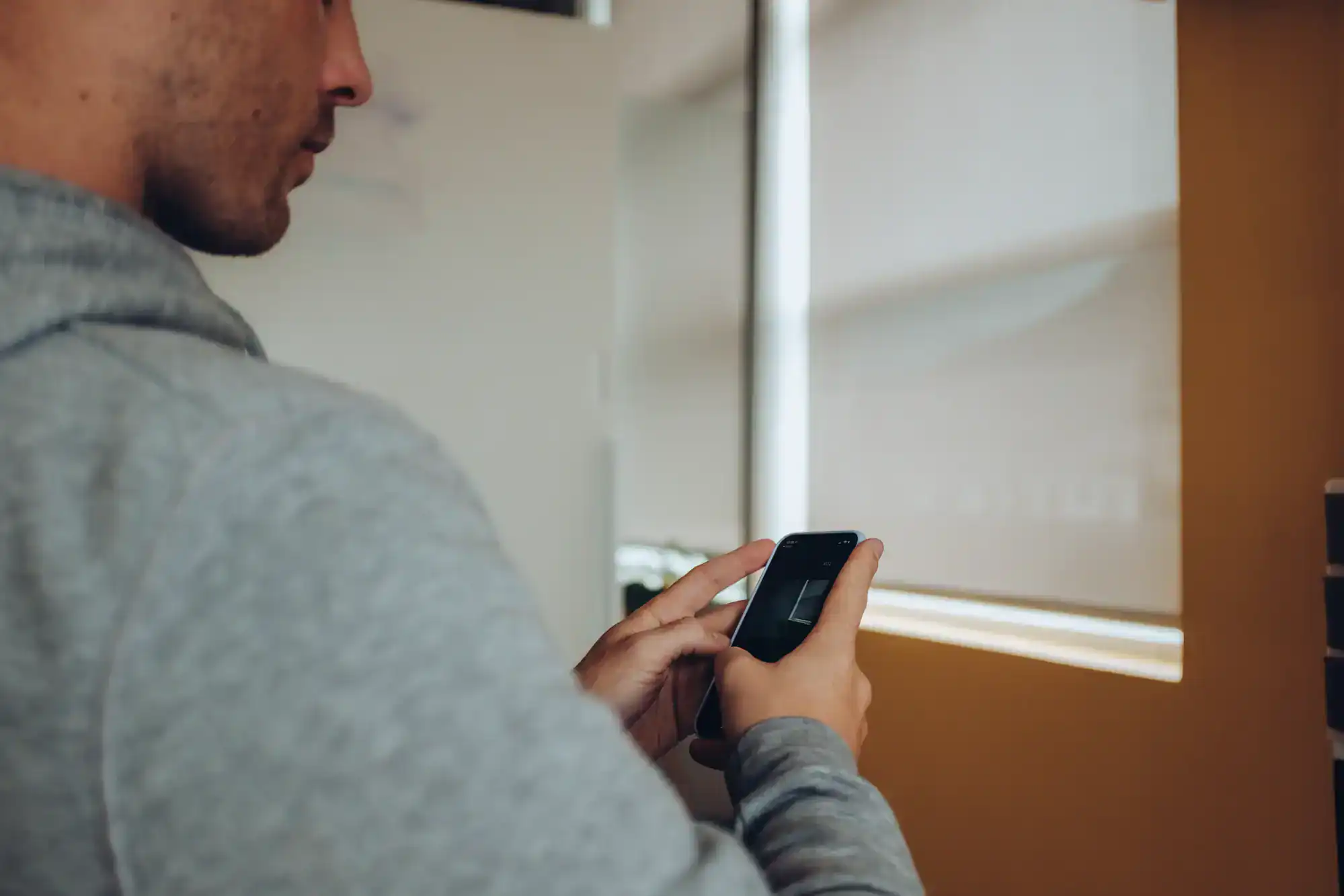
Most automated blinds today connect with Alexa, Google Home, or Apple HomeKit. That means you can control your shades with your voice, set schedules through an app, or link them to other smart devices in your home. The best setups let you create scenes—like “Good Morning,” which opens your bedroom shades gradually, or “Movie Mode,” which closes everything in the living room with one command.
But not all systems play well together. Some require proprietary hubs or specific brands of motors. If you already have a Control4 or Crestron home automation system, you’ll want motors that integrate directly without needing workarounds. If you’re just getting started, platforms like Lutron and Somfy offer the widest compatibility and the smoothest user experience.

One of the first decisions you’ll face is power source. It sounds technical, but it’s actually pretty straightforward once you understand the trade-offs.
Battery-powered motors are the go-to for retrofits. If you’re moving into an existing condo and don’t want to tear into walls or run new wiring, batteries make installation simple. Modern lithium battery packs last six months to a year on a single charge, depending on how often you use the shades. Some systems even offer solar panel add-ons that extend battery life up to three years.
The downside? You have to remember to recharge them. And if you have 10 or 15 windows, that’s a lot of motors to keep track of. For some people, that’s a minor inconvenience. For others, it’s a dealbreaker.
Hardwired motors eliminate that hassle entirely. They’re connected directly to your home’s electrical system, so they never need charging. They’re also quieter and more powerful, which matters if you have oversized or heavy shades. The catch is installation. Hardwiring requires an electrician and is best done during construction or a major renovation. If you’re in a high-rise condo in Boca Raton, FL, you’ll also need to check building rules—some associations restrict electrical work or require permits.
If you’re designing a new build or doing a gut renovation, hardwired is the smarter long-term choice. If you’re upgrading an existing space and want to avoid construction, battery-powered motors with a solar panel option give you the best of both worlds.
Most people underestimate how much the power source affects daily life. A system that requires constant recharging becomes annoying fast. A hardwired system you never think about? That’s the kind of automation that improves your routine instead of adding to your to-do list.
One of the first decisions you’ll face is power source. It sounds technical, but it’s actually pretty straightforward once you understand the trade-offs.
Battery-powered motors are the go-to for retrofits. If you’re moving into an existing condo and don’t want to tear into walls or run new wiring, batteries make installation simple. Modern lithium battery packs last six months to a year on a single charge, depending on how often you use the shades. Some systems even offer solar panel add-ons that extend battery life up to three years.
The downside? You have to remember to recharge them. And if you have 10 or 15 windows, that’s a lot of motors to keep track of. For some people, that’s a minor inconvenience. For others, it’s a dealbreaker.
Hardwired motors eliminate that hassle entirely. They’re connected directly to your home’s electrical system, so they never need charging. They’re also quieter and more powerful, which matters if you have oversized or heavy shades. The catch is installation. Hardwiring requires an electrician and is best done during construction or a major renovation. If you’re in a high-rise condo in Boca Raton, FL, you’ll also need to check building rules—some associations restrict electrical work or require permits.
If you’re designing a new build or doing a gut renovation, hardwired is the smarter long-term choice. If you’re upgrading an existing space and want to avoid construction, battery-powered motors with a solar panel option give you the best of both worlds.
Most people underestimate how much the power source affects daily life. A system that requires constant recharging becomes annoying fast. A hardwired system you never think about? That’s the kind of automation that improves your routine instead of adding to your to-do list.
Want live answers?
Connect with a Miami Design Group expert for fast, friendly support.
Fabric selection is where most people get stuck. There are hundreds of options, and if you don’t understand what you’re looking at, it’s easy to choose something that looks great in a showroom but performs terribly in real life.
In South Florida, you’re dealing with intense sun, high humidity, and salt air if you’re near the coast. That rules out delicate fabrics that fade, warp, or mildew. You need materials that can handle UV exposure without breaking down and that won’t trap moisture.
The other factor is openness—the percentage of the fabric that’s actually open versus solid. This determines how much light gets through, how much heat is blocked, and how much privacy you get during the day.

Openness is measured as a percentage. A 1% openness fabric is tightly woven and blocks most light and visibility. A 10% openness fabric is much more transparent—great for views, not great for privacy.
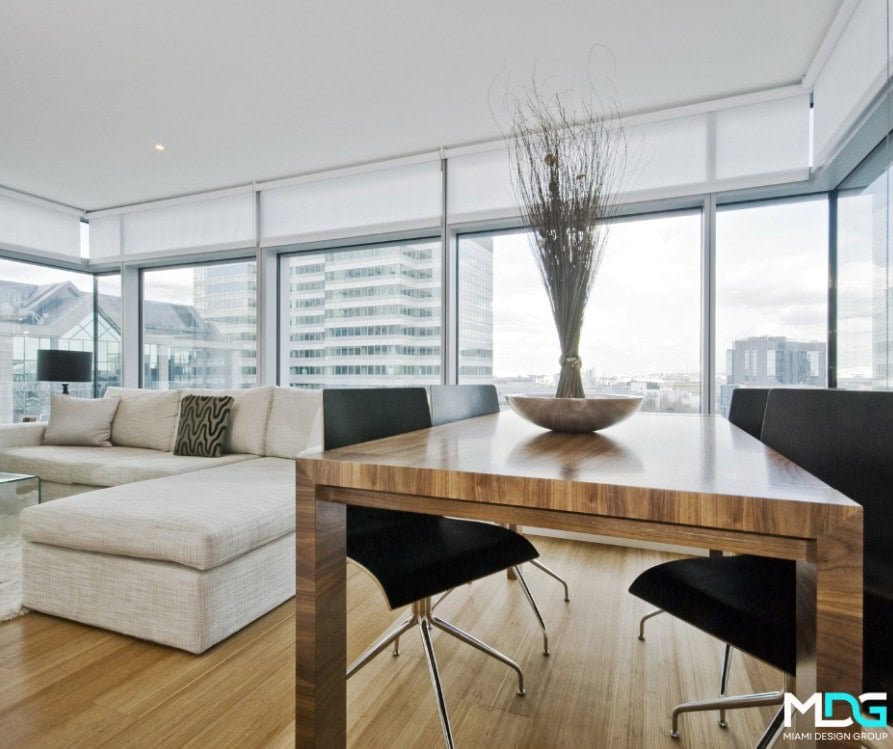
For high-rise living, 1-3% openness solar shades are usually the sweet spot. They cut glare and heat without completely darkening the room. You can still see out during the day, but people can’t easily see in. At night, though, any openness becomes a problem—if your lights are on, people outside can see through. That’s why many high-rise residents go with dual shades: a solar shade for daytime and a blackout shade for nighttime privacy.
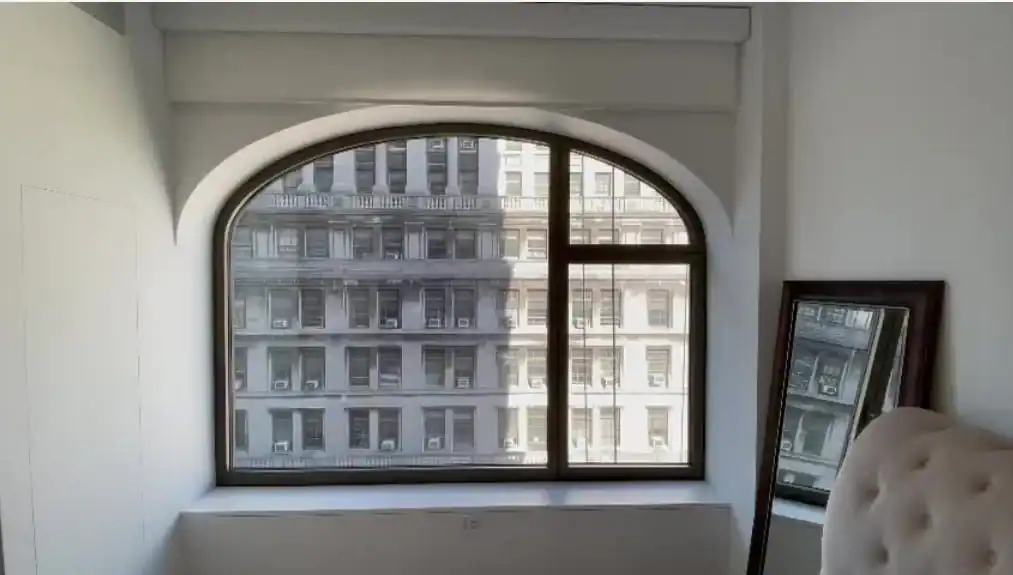
Blackout shades are exactly what they sound like. Zero light gets through. They’re essential for bedrooms, media rooms, or any space where you want complete darkness. In a high-rise, blackout shades also provide total privacy, which matters when you’re 20 stories up and still have neighbors across the way with a clear view into your space.
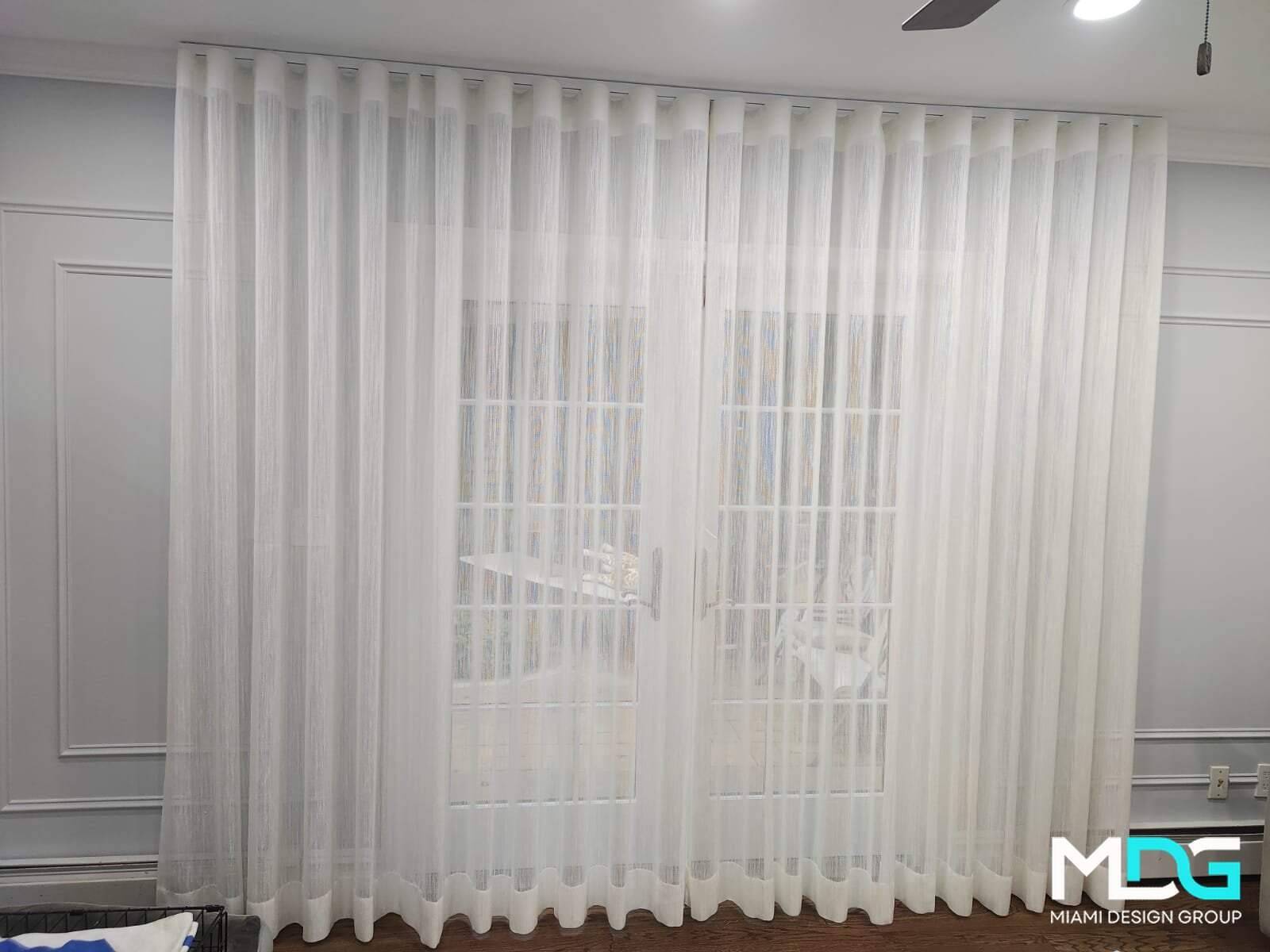
Sheer shades are another option. They filter light beautifully and add a soft, elegant look, but they don’t block much heat or provide strong privacy. They work well layered with heavier shades or in spaces where privacy isn’t a concern, like a north-facing living room with no nearby buildings.
Choosing the wrong openness factor is one of the most common mistakes. People pick a fabric because it looks nice, then realize it doesn’t solve their actual problem—whether that’s glare, heat, or privacy. If you’re not sure, go with a 1-3% solar shade for main living areas and blackout for bedrooms. That covers most situations without overthinking it.
Material durability is non-negotiable in Florida. Cheap fabrics fade within a year. Low-quality materials warp in humidity. If you’re spending thousands on motorized window treatments, the fabric needs to last.
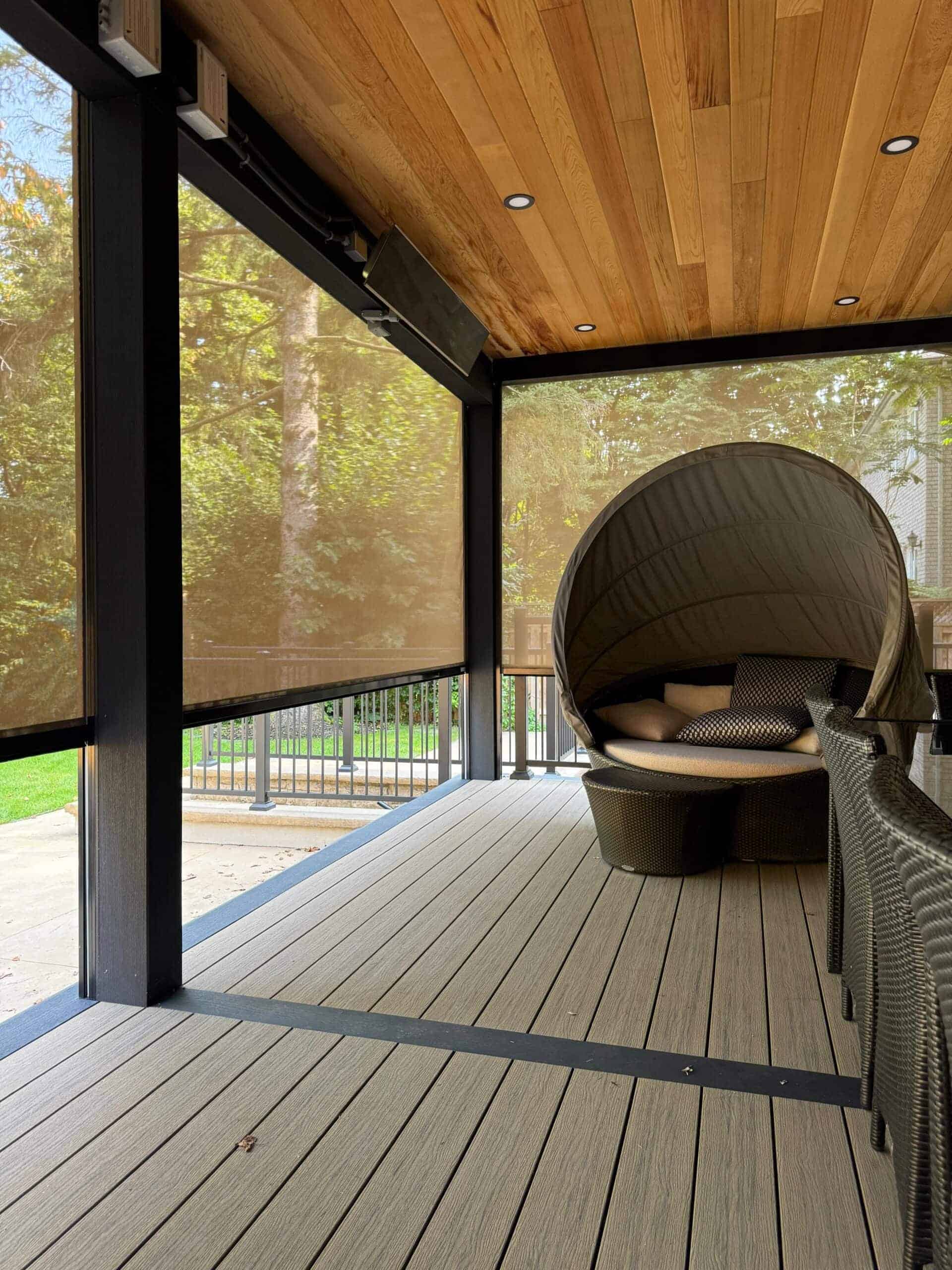
Polyester and PVC-coated fabrics are the workhorses of solar shades. They’re UV-resistant, moisture-resistant, and hold up well in coastal environments. High-end options like Mermet or Phifer fabrics are engineered specifically for high-performance applications—think commercial buildings and luxury residential projects. They cost more upfront, but they don’t fade, sag, or lose their shape.
For blackout shades, look for fabrics with a thermal backing. This adds an insulating layer that blocks light and helps regulate temperature. In a high-rise with floor-to-ceiling glass, that extra insulation can make a noticeable difference in how hard your AC has to work.
Natural materials like linen, cotton, and woven wood look beautiful, but they’re not ideal for high-sun, high-humidity environments unless they’ve been treated for UV and moisture resistance. If you love the look of natural fibers, ask about treated options or plan to replace them more frequently.
Color matters too. Lighter colors reflect heat, which helps keep your space cooler. Darker colors absorb heat, which can make the room warmer even if the shade is closed. For South Florida, lighter neutrals—whites, beiges, and light grays—are usually the smarter choice.
The fabric is what you’ll see and interact with every day. It’s also what protects your furniture, your floors, and your comfort. Skimping on fabric quality to save a few hundred dollars is a decision you’ll regret every time you look at faded, sagging shades two years later.
Choosing motorized shades for a high-rise isn’t just about picking something that looks good. It’s about solving real problems—heat, glare, privacy, and the hassle of managing oversized windows in a demanding climate.
The right system integrates seamlessly with your smart home, runs on a power source that fits your lifestyle, uses motors that will last, and features fabrics engineered to handle Florida’s sun and humidity. When all those pieces come together, you get shades that genuinely improve your daily life instead of just sitting there looking expensive.
If you’re ready to explore options that make sense for your space, we can walk you through the process. We handle everything from smart home integration to custom fabric selection, and we understand the specific challenges of high-rise living in South Florida.
Article details:
Share:
Continue learning: