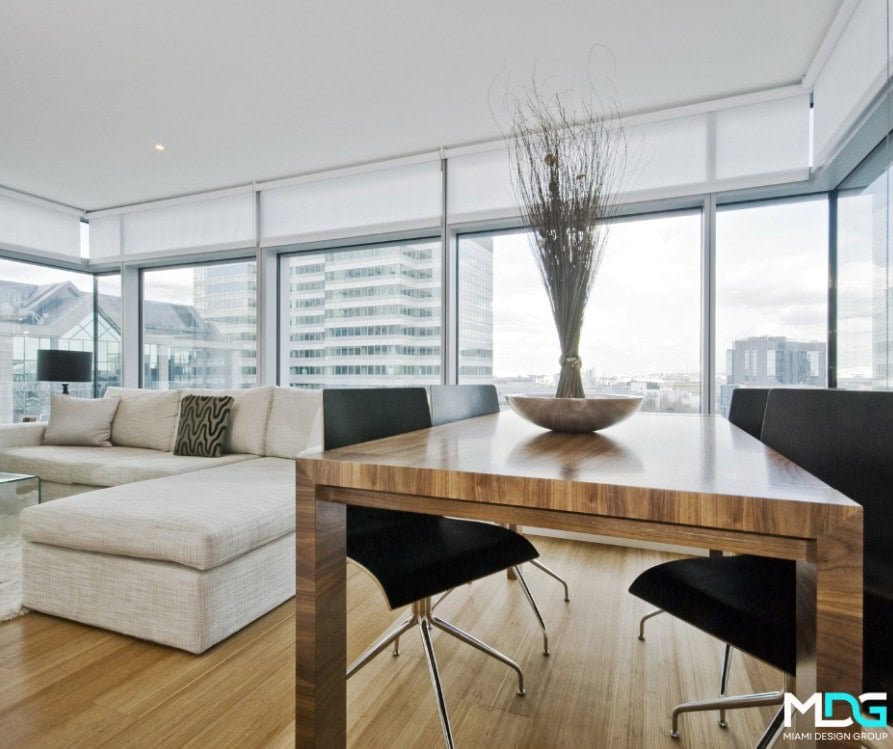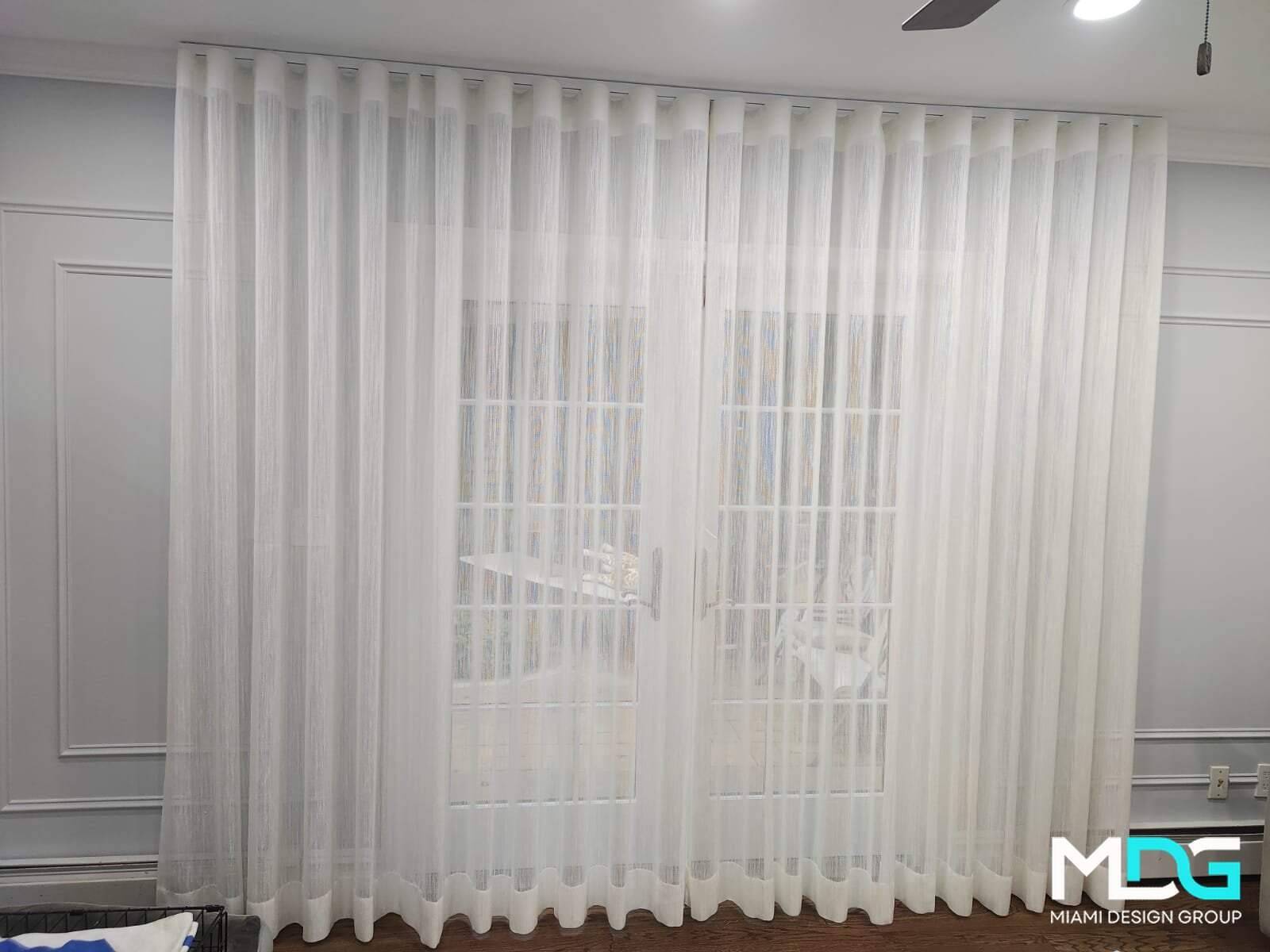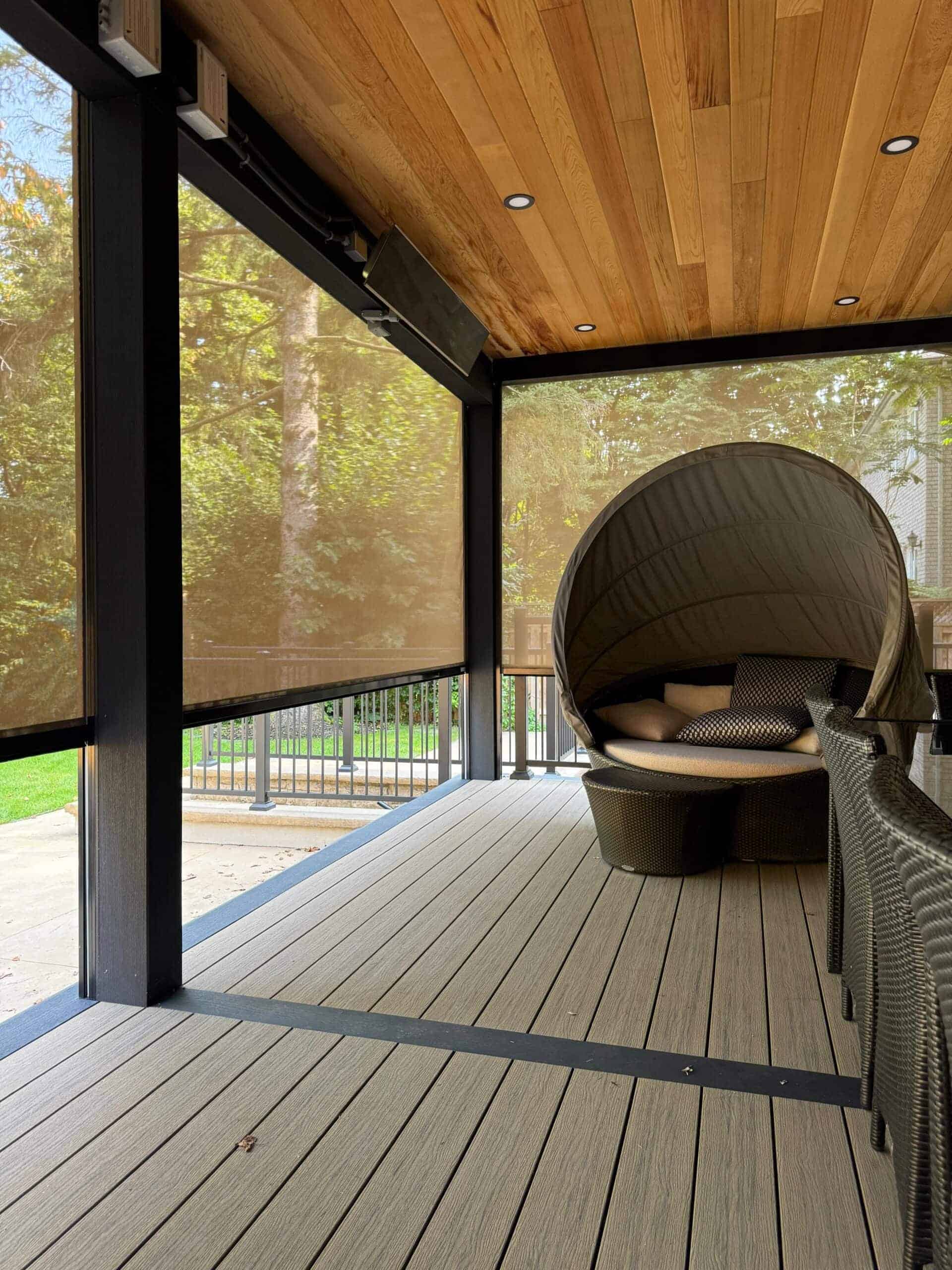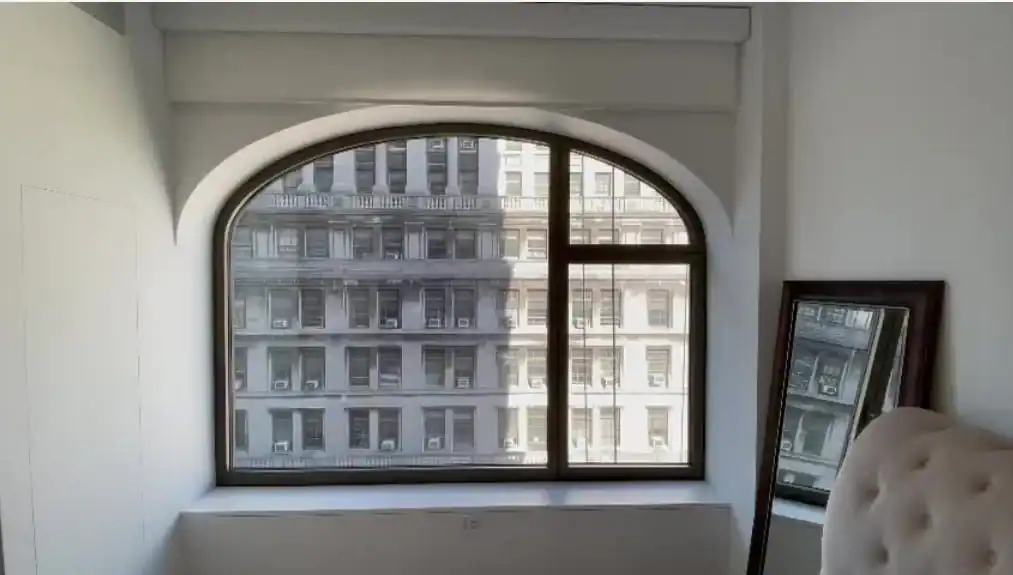
Boca Raton's modern homes are hiding motorized shades completely inside ceiling pockets. No visible hardware, full smart control, and shades that vanish when you don't need them.
Share:
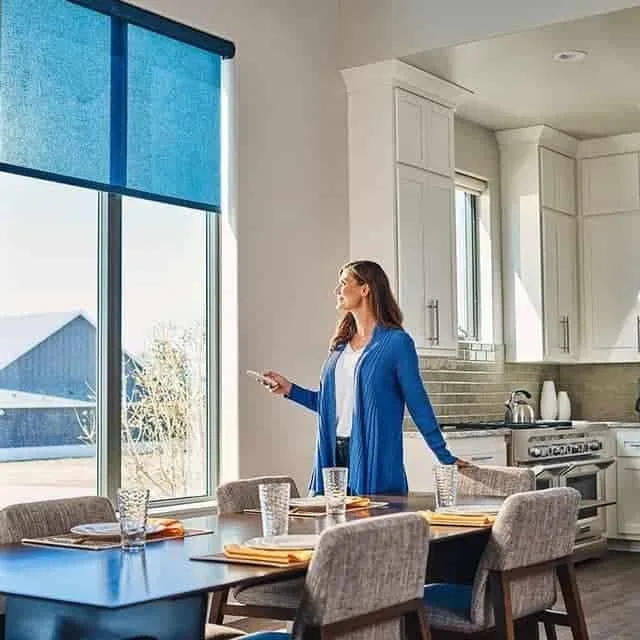
Summary:
The system hides inside a recessed cavity built into your ceiling or window frame. When the shade rolls up, it disappears completely into this pocket. No headrail showing. No hardware visible. Just a clean ceiling and unobstructed windows.
Three components make this possible: the shade fabric, a motorized roller, and the architectural pocket that conceals everything. Motors run on battery power or hardwired electricity. You control them through smartphone apps, voice commands, or automated schedules you set once and forget.
The difference between this and standard motorized shades comes down to visibility. Regular motorized treatments leave the roller mechanism exposed even when open. Pocket systems eliminate every trace, creating the illusion that your shades materialize from nowhere when needed.

Recessed ceiling pockets deliver the cleanest look for modern Boca Raton homes. The pocket mounts flush with your ceiling, creating a narrow slot that’s barely noticeable. This works best with contemporary architecture where ceiling lines matter.
Aluminum pocket systems handle both residential and commercial installations. These pre-engineered solutions work with single or dual shades, motorized or manual operation, and even accommodate drapery tracks. The aluminum stays lightweight while providing the structural integrity your ceiling needs.
When ceiling modification isn’t realistic, fascia-mounted pockets attach to your ceiling surface with decorative trim that hides the roller. You’re not fully recessed, but you still get cleaner lines than exposed headrails. Paint the fascia to match your ceiling and it virtually disappears from normal viewing angles.
Window frame pockets integrate the cavity into the window frame itself during construction. Your shade retracts into the top of the frame, leaving your ceiling completely untouched. This works particularly well when you have exposed beam ceilings or architectural details you don’t want to modify.
Your choice depends on if you’re building new or renovating. New construction gives you maximum flexibility since pockets get planned during framing. Existing homes often work better with surface-mounted aluminum systems that don’t require tearing into finished ceilings.
Battery motors simplify installation because you’re not running wires through your ceiling. Batteries last months between charges, and apps warn you weeks before they need attention. Hardwired systems never need charging but require electrical work that adds complexity to retrofit projects.
Recessed ceiling pockets deliver the cleanest look for modern Boca Raton homes. The pocket mounts flush with your ceiling, creating a narrow slot that’s barely noticeable. This works best with contemporary architecture where ceiling lines matter.
Aluminum pocket systems handle both residential and commercial installations. These pre-engineered solutions work with single or dual shades, motorized or manual operation, and even accommodate drapery tracks. The aluminum stays lightweight while providing the structural integrity your ceiling needs.
When ceiling modification isn’t realistic, fascia-mounted pockets attach to your ceiling surface with decorative trim that hides the roller. You’re not fully recessed, but you still get cleaner lines than exposed headrails. Paint the fascia to match your ceiling and it virtually disappears from normal viewing angles.
Window frame pockets integrate the cavity into the window frame itself during construction. Your shade retracts into the top of the frame, leaving your ceiling completely untouched. This works particularly well when you have exposed beam ceilings or architectural details you don’t want to modify.
Your choice depends on if you’re building new or renovating. New construction gives you maximum flexibility since pockets get planned during framing. Existing homes often work better with surface-mounted aluminum systems that don’t require tearing into finished ceilings.
Battery motors simplify installation because you’re not running wires through your ceiling. Batteries last months between charges, and apps warn you weeks before they need attention. Hardwired systems never need charging but require electrical work that adds complexity to retrofit projects.
Want live answers?
Connect with a Miami Design Group expert for fast, friendly support.
Your shades integrate with Alexa, Google Home, or Apple HomeKit. If you’re already using these platforms, you’re just adding another device to your existing ecosystem. No new learning curve.
Connection happens through a hub that bridges your shades and smart home platform. Lutron, Somfy, and other manufacturers offer hubs that connect to your WiFi and translate phone commands into motor instructions. Setup takes 15 to 30 minutes per hub.
Scenes let you control multiple shades with single commands. “Good Morning” opens bedroom shades gradually. “Movie Time” closes living room shades and dim lights simultaneously. These scenes coordinate with other smart devices throughout your home.

Boca Raton’s sun angle changes significantly between summer and winter. Your shades can adjust schedules accordingly, closing earlier during summer afternoons when sun sits higher, staying open longer in winter when you want solar heat gain.
Different windows need different schedules based on orientation. West-facing windows close at 2 PM during summer to block intense afternoon heat. East-facing windows open at sunrise for morning light, then close mid-morning to prevent screen glare.
Temperature sensors add intelligence beyond simple timing. When your system detects indoor temperature climbing above target, shades automatically close on the sunny side. This works with your HVAC, reducing cooling load before your AC works overtime. Energy savings show up within the first month.
Vacation mode provides security while you’re away. Shades open and close on varied schedules, creating the appearance of someone’s home. Combined with smart lighting, it simulates normal activity patterns that deter anyone watching for vacant houses.
Sunrise and sunset times shift throughout the year. Rather than setting fixed times that become wrong within weeks, you program relative times like “30 minutes after sunrise.” The system adjusts as daylight hours change, maintaining optimal timing without manual intervention.
Storm prep becomes simpler when hurricane warnings hit. Close all shades with one command, protecting your treatments and adding extra window protection. This beats manually closing dozens of shades while you’re securing everything else before a storm.
Battery-powered systems keep working when power goes out. During hurricane season in Boca Raton, this matters. Outages can last days or weeks after major storms. You maintain full shade control even when the grid is down.
Modern lithium-ion batteries run four to six months on single charges under normal use. Charging is simple: remove the battery cartridge, plug into the included charger, reinstall after a few hours. Some systems offer solar panel options that extend battery life up to three years between manual charges.
Low-battery warnings hit your phone weeks before batteries actually die. You’re never surprised by non-functioning shades. The warning gives you time to charge during a convenient weekend rather than dealing with urgent situations.
Hardwired systems eliminate battery maintenance completely. Once installed, they run indefinitely without charging considerations. For homes with 20-plus shades, this removes the ongoing task of battery rotation. You’re not tracking which windows need attention.
The installation trade-off is electrical work. Hardwired systems need low-voltage wiring through your ceiling to each shade location. Straightforward during new construction. More complex in existing homes where you’re opening ceilings, fishing wires through insulation, patching and repainting. Battery systems install without electrical work, making them ideal for retrofits.
Cost differences are minimal once you include electrician labor. Battery motors cost more upfront, but hardwired installations include electrical fees that often exceed the motor price difference. Over 15 years, battery replacement costs stay lower than most expect.
For Boca Raton specifically, battery systems provide hurricane season assurance. That six-month period when power outages become real possibilities. Maintaining shade control helps protect your interior from sun damage and provides privacy when you need it most. This single advantage makes battery power the preferred choice for many South Florida homeowners.
These systems represent a significant investment in both function and aesthetics. Success comes down to proper planning, quality installation, and matching systems to your actual needs rather than generic recommendations.
Start with your priorities. Energy savings? Focus on shade fabrics with high solar heat rejection and temperature-responsive programming. Aesthetics? Invest in true ceiling pockets rather than surface-mounted alternatives. Convenience? Prioritize smart home integration and voice control.
Work with someone who understands both technical requirements and design implications. You need coordination with contractors, permit handling, and installation that meets functional and aesthetic standards. We’ve spent 15 years integrating window treatments and home automation throughout Boca Raton and South Florida, solving exactly these challenges for homeowners who refuse to compromise on either technology or design.
Article details:
Share:
Continue learning: