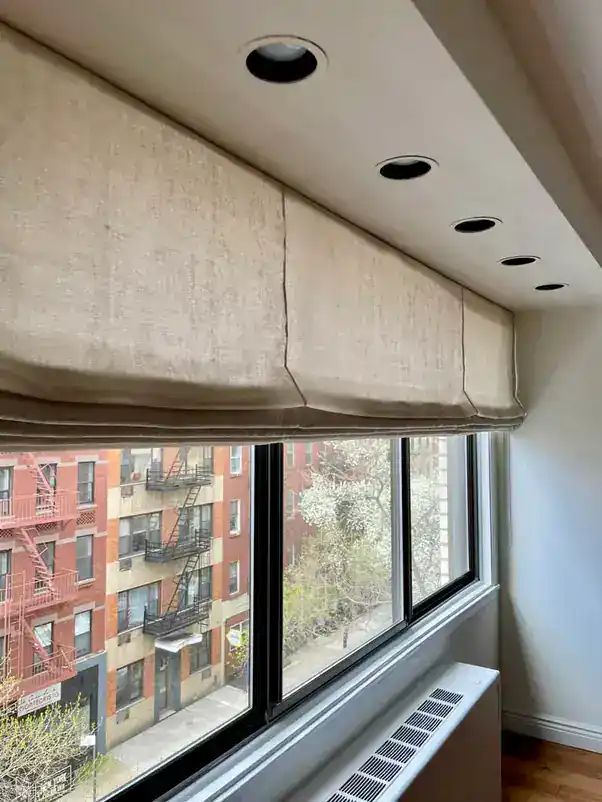

Window film is the least visible upgrade you can make to a South Florida home, which is exactly why it gets overlooked. There is nothing to see afterward — no fabric, no hardware, no change to your view. What changes is how the room feels at three in the afternoon.
Here is what film actually does, where it makes sense, and the one thing worth verifying before anyone applies it to your glass.
What Window Film Actually Is
Window film is a thin, multi-layer polyester material applied directly to the interior surface of your glass. Depending on its construction, it reflects or absorbs a portion of solar energy before that energy becomes heat inside your home, and it filters out the ultraviolet wavelengths responsible for fading.
Because it lives on the glass itself, it works continuously. There is nothing to raise or lower and nothing to remember — it is doing its job whether or not you are home.

The Three Jobs Film Does Well
Heat Rejection
This is the reason most people call. Large expanses of untreated glass are the single biggest source of unwanted heat in a typical South Florida home, and your AC spends the afternoon fighting it. Film reduces that load at the source.
The practical benefit that people notice first is not the utility bill — it is that the room stops having a hot zone. Seating near the window becomes usable again instead of being avoided from noon onward.
UV and Fade Protection
Quality films block the overwhelming majority of ultraviolet light. UV is the primary driver of fading in hardwood floors, rugs, artwork, upholstery, and window treatments themselves.
This one is easy to underestimate because the damage is gradual. If you have ever moved a rug and found the color underneath noticeably richer than the exposed area, you have already seen what a few years of unfiltered sun does. Film does not reverse that, but it substantially slows it going forward — which matters most if you have invested in good flooring or furniture.
Privacy and Glare
Reflective and dual-reflective films provide meaningful daytime privacy from the outside while preserving your view from within. Frosted and decorative films offer full-time obscurity where you want it — bathrooms, ground-floor windows facing a walkway, glass office partitions.
Worth knowing: standard reflective film’s privacy effect reverses at night, when interior light makes your windows the brighter surface. If nighttime privacy is the goal, film alone is not the answer — that is a job for shades or drapery.
Types of Film
- Ceramic — high heat rejection with minimal reflectivity and no signal interference. Generally the best-performing option and priced accordingly.
- Dual-reflective — strong heat and glare control with good daytime privacy, while keeping the interior view clearer than older mirrored films.
- Decorative and frosted — chosen for privacy and appearance rather than performance. Common on bathroom glass, entry sidelights, and interior partitions.
- Security film — thicker material designed to hold glass together on impact. Often specified for ground-floor windows and doors.

Film or Shades — or Both
They solve overlapping but different problems, and the strongest setups usually use both.
Film works constantly, invisibly, and without touching your view — but you cannot adjust it, and it will not darken a room. Shades are adjustable and can deliver full privacy or full darkness on demand, but only when they are down.
On a west-facing wall of glass, film handles the baseline heat and UV load all day, and a solar shade handles the couple of hours when the sun is low and glare becomes intolerable. Neither product does both jobs well alone.
The One Thing to Check First
Before film goes on any window, confirm two things: your glass warranty, and the glass type.
Some manufacturers’ warranties on insulated or specialty glass units are voided by applying aftermarket film. Separately, certain film-and-glass combinations increase heat absorption enough to raise the risk of thermal stress cracking, particularly on large or partially shaded panes.
This is not a reason to avoid film — it is a reason to have someone assess your specific glass rather than applying a one-size product. Any installer worth hiring will ask about your glass before quoting. If they do not, that tells you something.
If you are in a condo, also check whether your association restricts the exterior appearance of applied film. Many do, in the same way they regulate visible window treatments.
Care and Lifespan
Quality film installed correctly lasts many years. Care is simple: allow the initial curing period before cleaning, then use a soft cloth and a non-abrasive cleaner. Avoid ammonia-based products and anything scrubby, both of which degrade the surface over time.
Bubbling, peeling, or a purple cast are signs of low-grade film or a poor installation rather than normal aging — quality film fails gracefully, if at all.
Getting Started
Film is one of the few upgrades that improves comfort without changing how your home looks. On the right windows it is also one of the highest-value ones, because it protects finishes and furnishings that cost far more to replace than the film cost to install.
We assess your glass, exposure, and goals before recommending a product. Schedule a free consultation and we will tell you which windows are worth filming — and which ones are better served by something else.