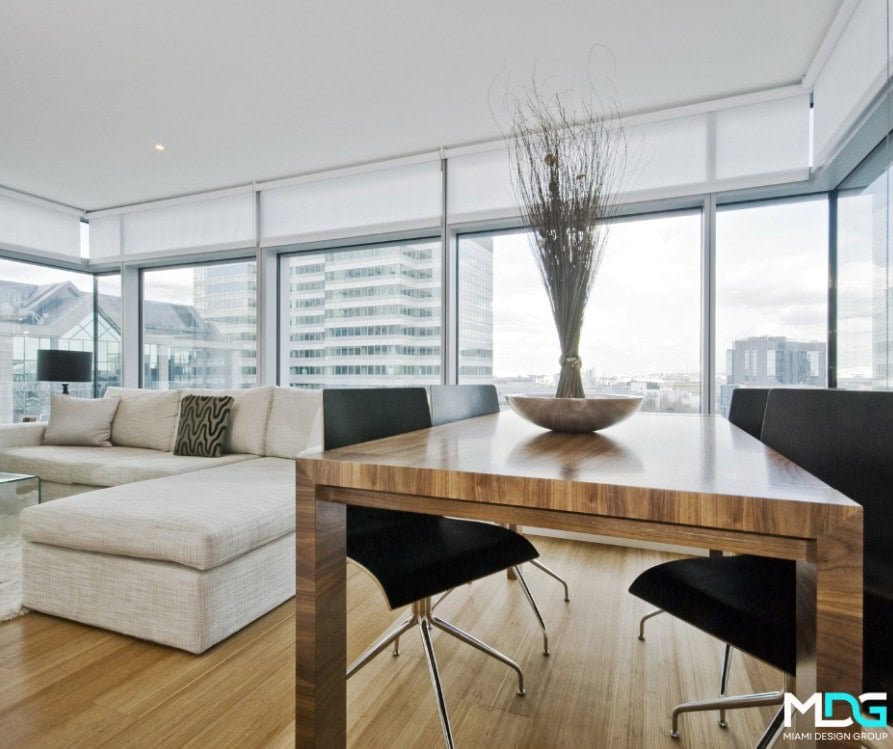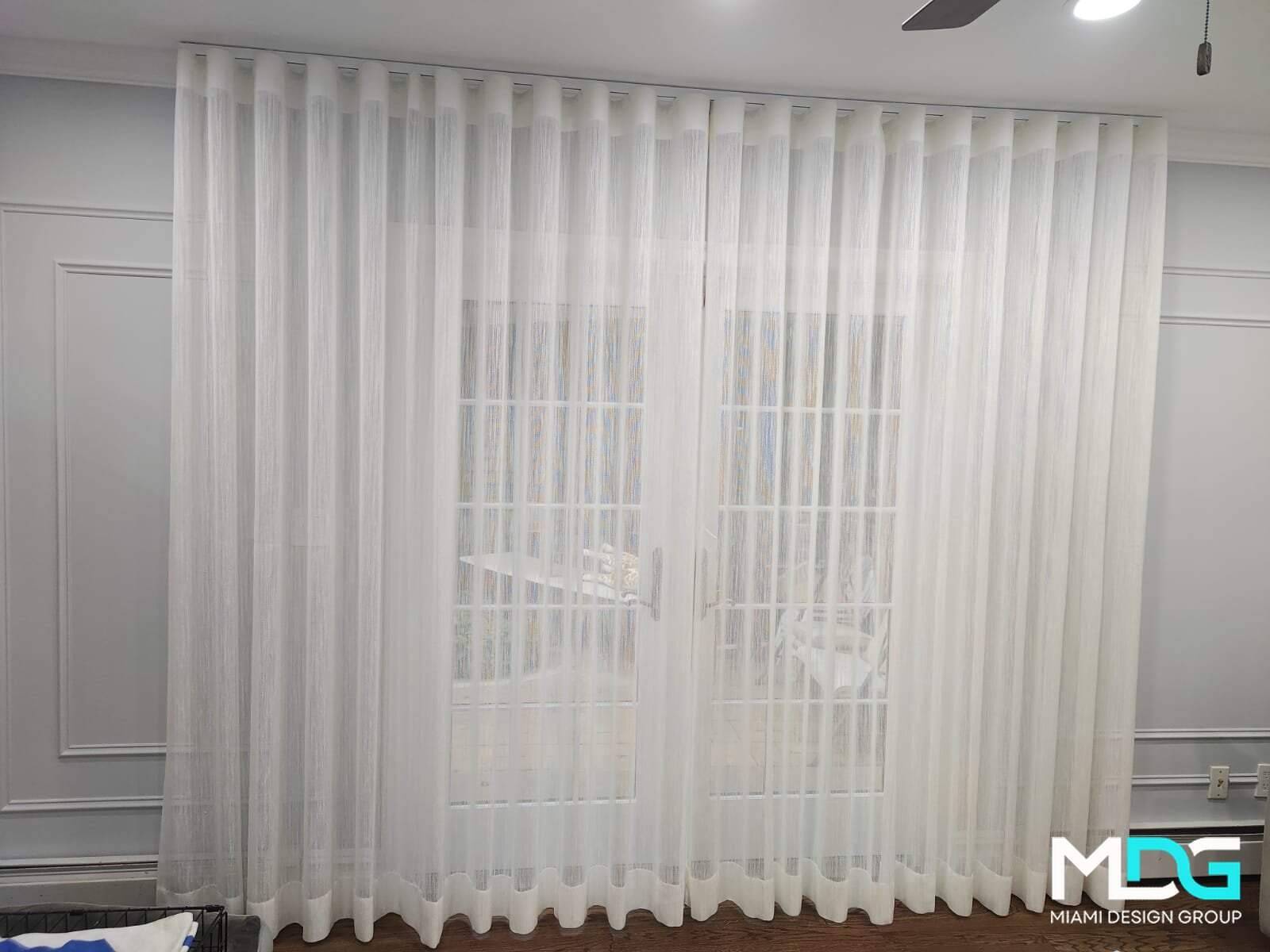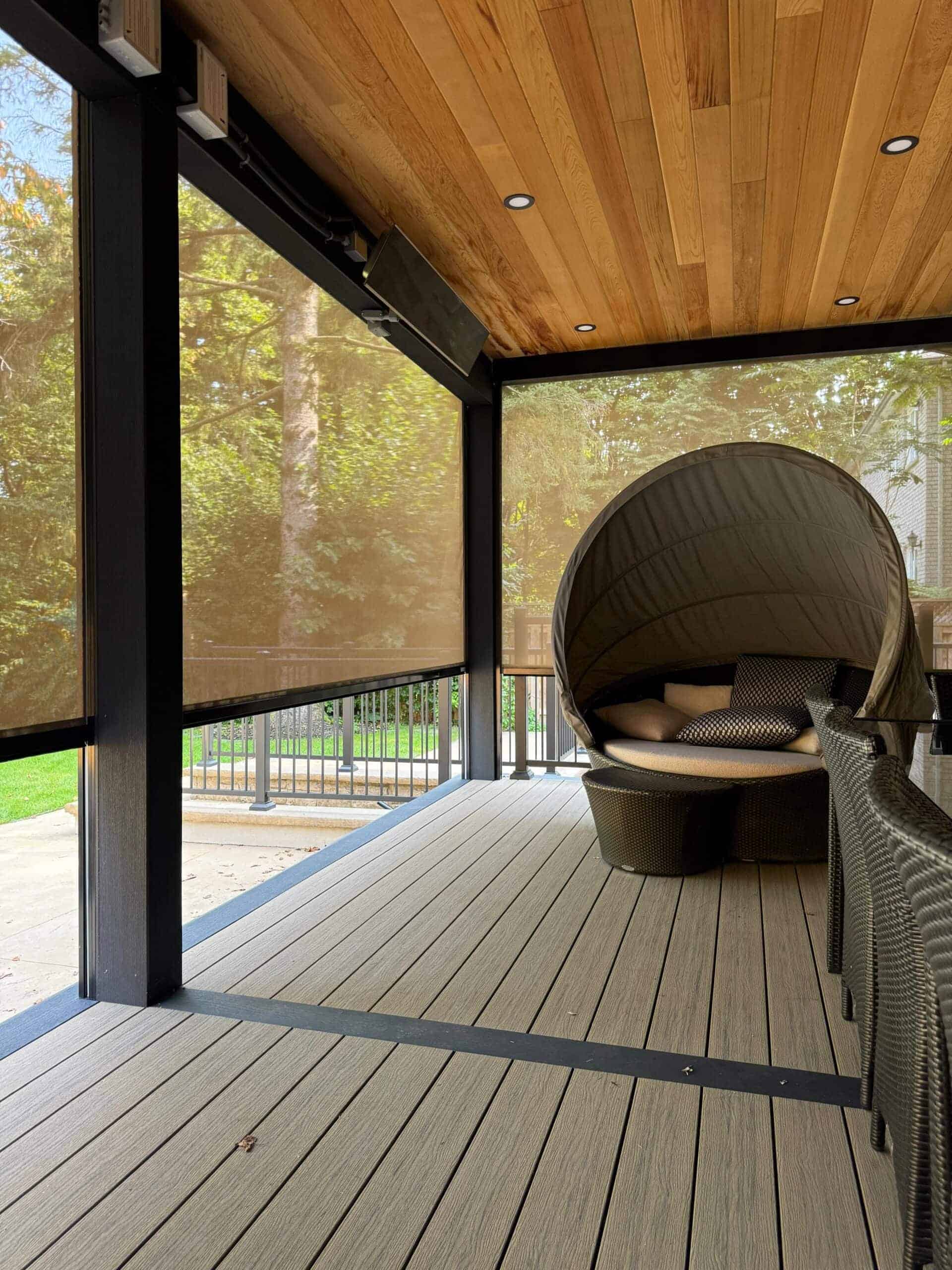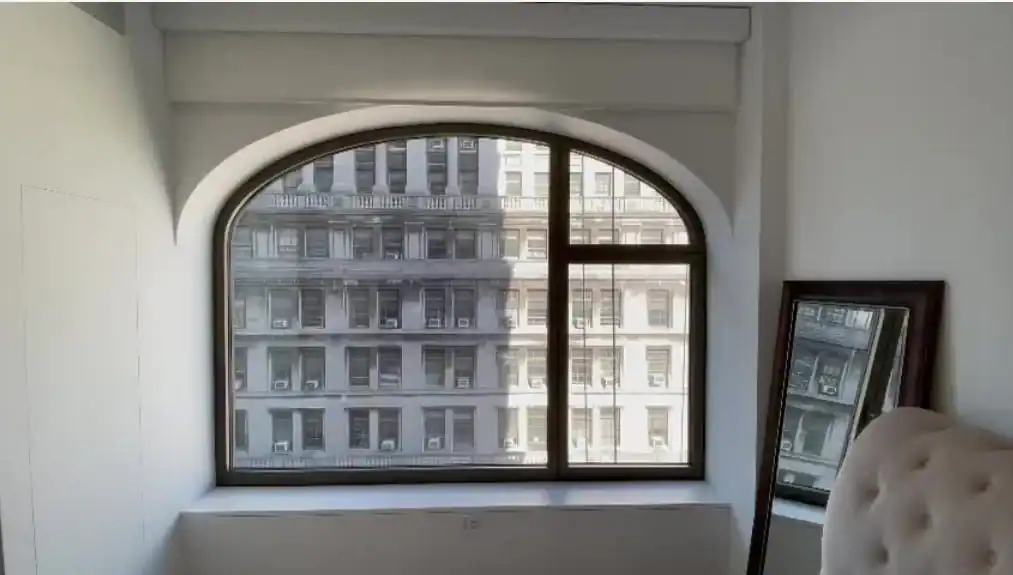
Before installing window treatments in Miami, you need to understand measurement, material selection, and climate-specific considerations that matter in South Florida's intense sun and humidity.
Share:
Summary:
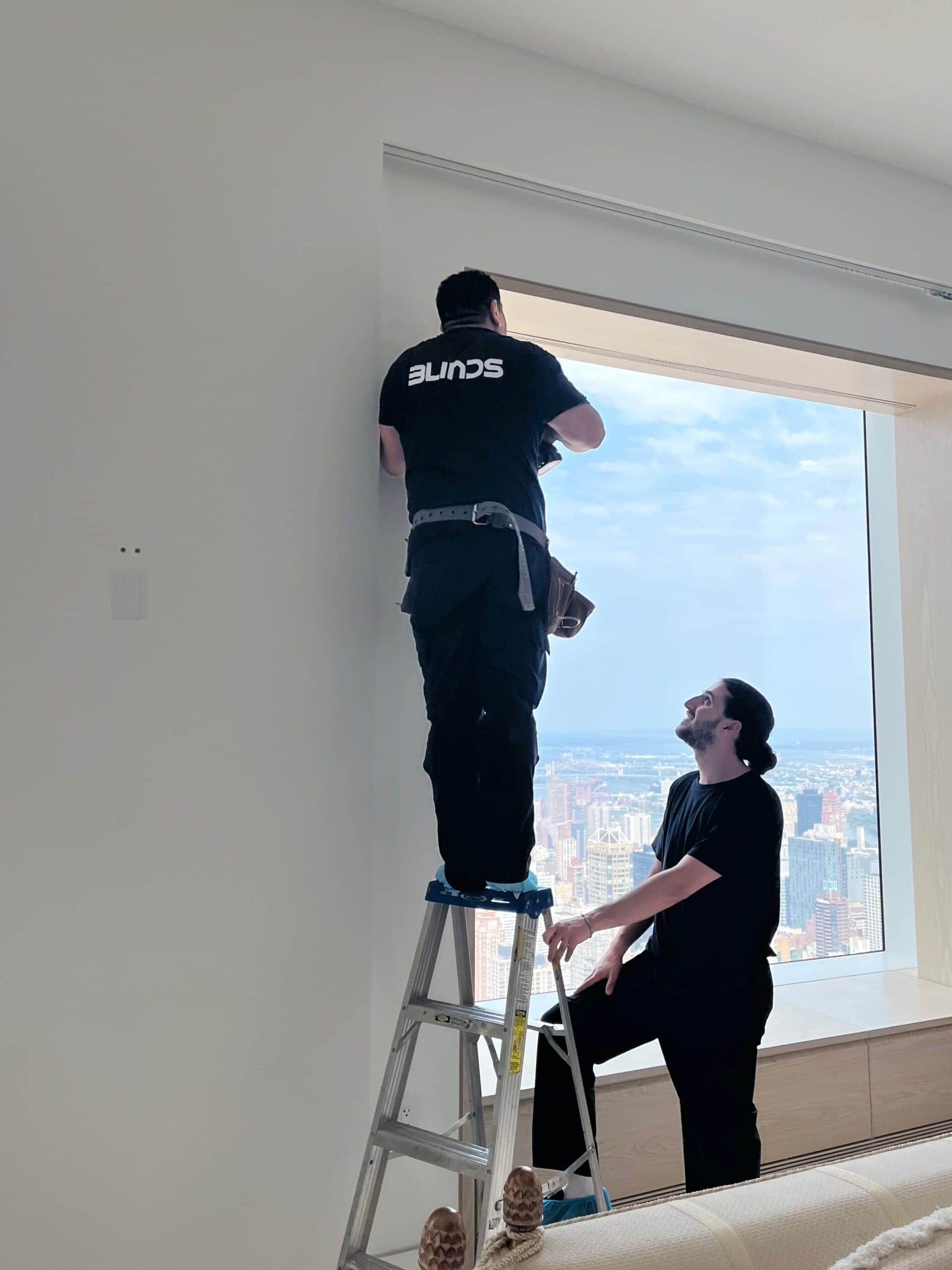
Measurement mistakes cost Miami homeowners more than any other window treatment error. You order custom shades based on numbers you took on a Saturday morning, and three weeks later they arrive and don’t fit. Now you have a very expensive piece of fabric that works perfectly for a window you don’t own.
The problem usually starts with good intentions. You assume measuring is straightforward—grab a tape measure, write down some numbers, and call it a day. But windows in South Florida, especially in older construction or coastal properties, have a funny way of not being “perfectly square.”
In fact, most Miami windows have the structural integrity of a Jenga tower after five rounds. Humidity causes frames to expand, and stucco walls shift slightly over time. When you’re ordering custom shades made to 1/8-inch precision, that “slight shift” is the difference between a perfect fit and a “pane” in the glass.
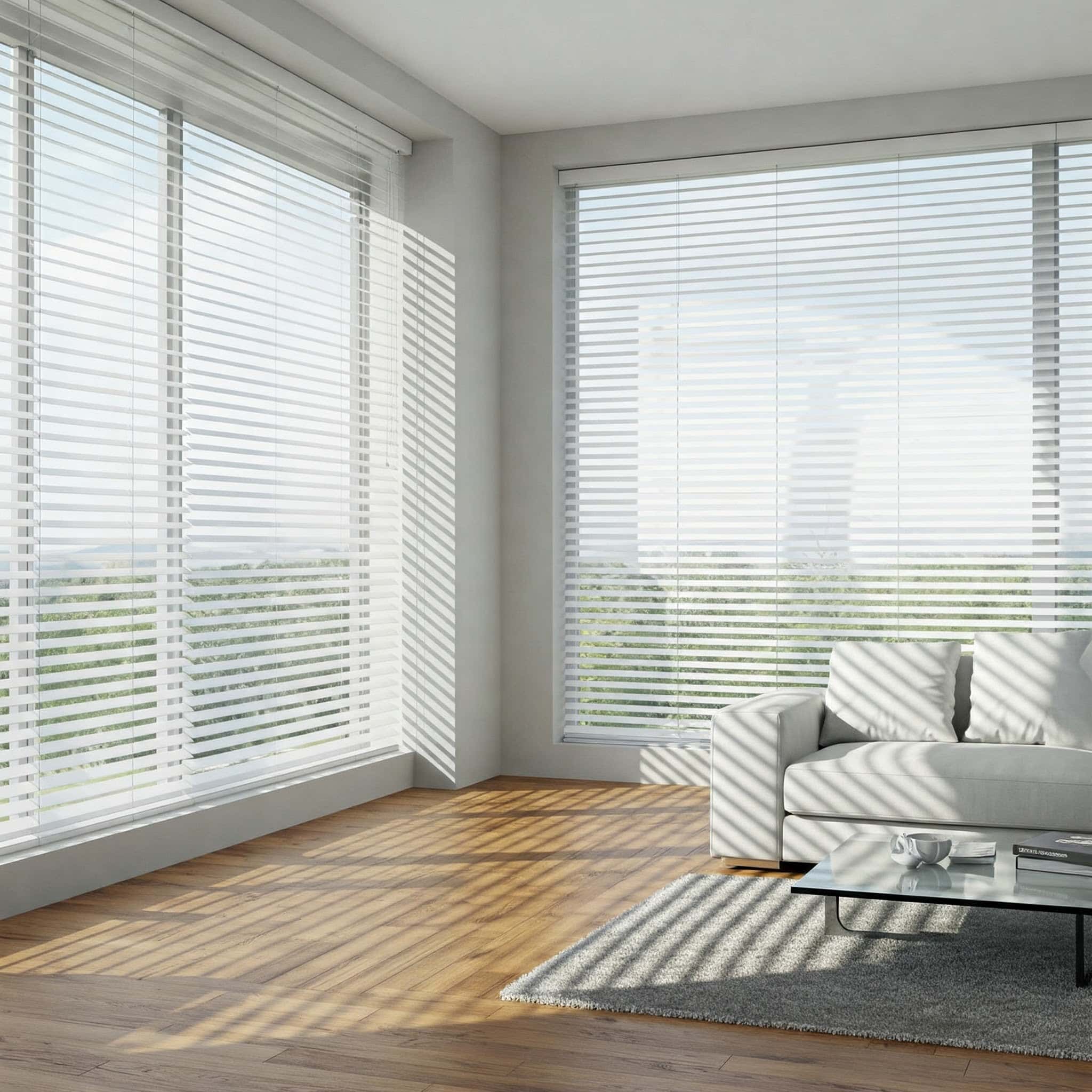
This decision affects everything else, so get it right.
Inside Mount: Your shades sit within the frame for that clean, “I-hired-a-designer” look.
Outside Mount: They’re installed on the wall or trim, which is perfect for covering up window frames that have seen better days (or better decades).
Inside mount only works if your frame has enough depth—usually at least 2 inches. If you’ve got less than that, or if your window has cranks that stick out like a sore thumb, go with an outside mount.
Pro Tip: If you’re in a Miami condo with floor-to-ceiling glass, check your HOA rules first. You don’t want to spend $2,000 on shades only to find out the board has a very specific “No Purple Neon Shades” policy.
This decision affects everything else, so get it right.
Inside Mount: Your shades sit within the frame for that clean, “I-hired-a-designer” look.
Outside Mount: They’re installed on the wall or trim, which is perfect for covering up window frames that have seen better days (or better decades).
Inside mount only works if your frame has enough depth—usually at least 2 inches. If you’ve got less than that, or if your window has cranks that stick out like a sore thumb, go with an outside mount.
Pro Tip: If you’re in a Miami condo with floor-to-ceiling glass, check your HOA rules first. You don’t want to spend $2,000 on shades only to find out the board has a very specific “No Purple Neon Shades” policy.
Want live answers?
Connect with a Miami Design Group expert for fast, friendly support.
Not all window treatments survive Miami. The combination of UV exposure and salt air is a material stress test. You’ve probably seen it—shades that warp faster than a chocolate bar on a South Beach sidewalk, or fabrics that fade from “Ocean Blue” to “Sad Gray” in six months.
The right material is the difference between shades that last ten years and shades that need replacing after one humid summer. Look for moisture-resistant synthetics and UV-rated fabrics. Faux wood is also a local hero; it looks like the real thing but won’t swell and crack when the humidity hits 90%.
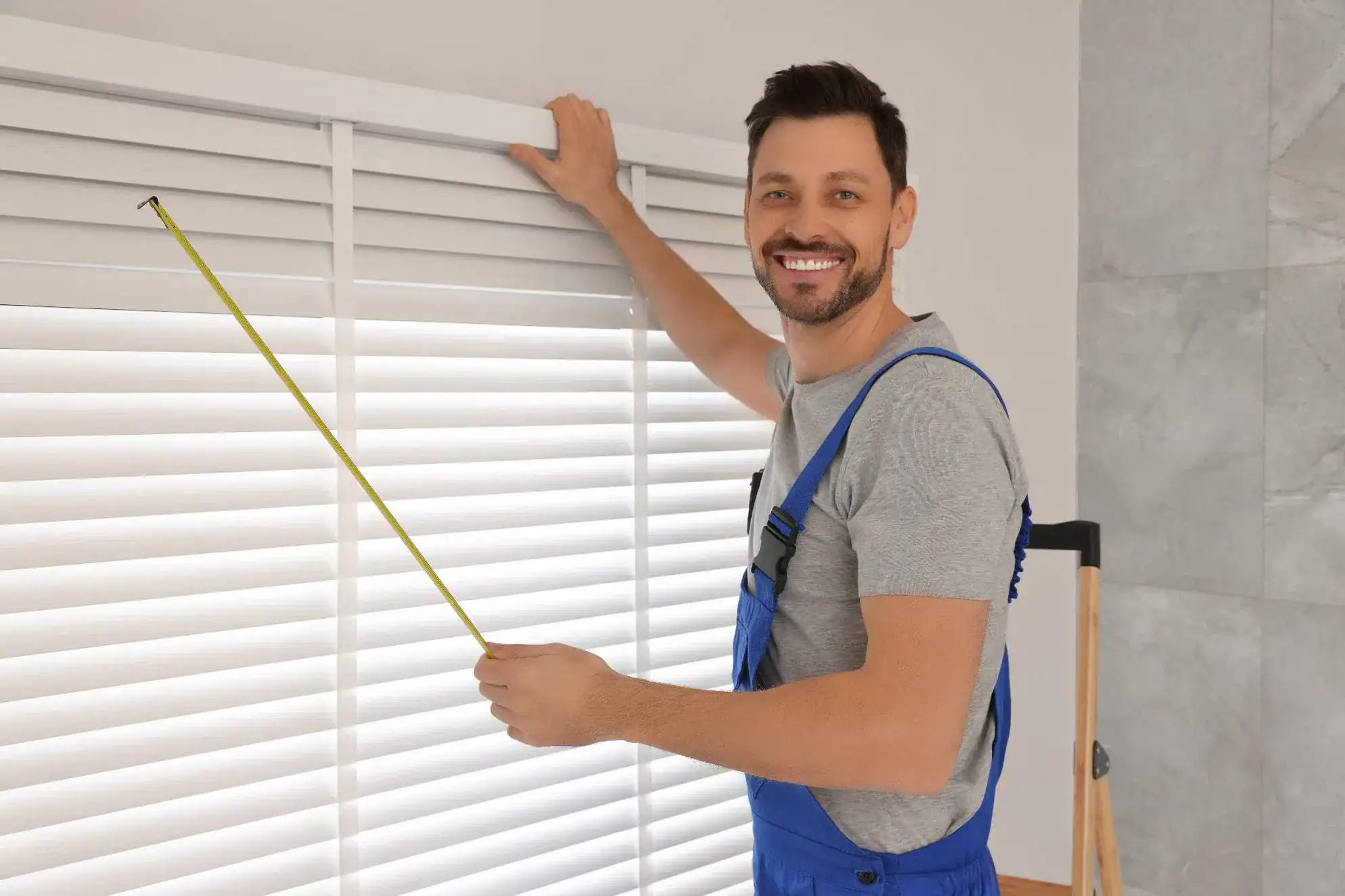
Miami gets more than 300 days of sun per year. That’s great for the beach, but terrible for sleeping in on a Tuesday.
Light-Filtering: Good for living rooms where you want to see your coffee without the sun blinding you.
Blackout: Essential for bedrooms. True blackout means you shouldn’t be able to see your hand in front of your face.
In Miami, blackout shades aren’t just for sleep; they’re for your electric bill. Blocking that thermal energy can reduce your cooling costs by up to 40%. It’s basically like finding free money in your AC vent every month.
Motorized shades are the ultimate “I’ve made it” feature. There is nothing quite like sitting on the couch and saying, “Alexa, close the shades,” because the glare on the TV is ruining your binge-watching session.
In Miami, motorization is a game-changer. You can program your shades to close automatically between 2 PM and 5 PM when the sun is at its most aggressive. This keeps your house cool even when you aren’t home. It’s like having a tiny, invisible butler whose only job is to fight the sun.
Plus, it’s a huge safety win. No cords means no pets or kids getting tangled. And for those hard-to-reach windows in double-height foyers? Unless you enjoy performing a balancing act on a 12-foot ladder every morning, go motorized.
Getting window treatments right in Miami comes down to precision and picking the right battle with the sun. You can try to DIY it, but remember: a professional installation often pays for itself by preventing the “Oops, I Measured Wrong” re-order fee.
Regardless of if you’re looking for sleek roller shades for a Brickell condo or sturdy cellular shades for a family home in Coral Gables, the key is planning for the heat, not just the “look.”
Article details:
Share:
Continue learning: